How do you grow a kalanchoe (Kalanchoe blossfeldiana) so it blooms all over the pot? 4 tricks to keep the buds coming
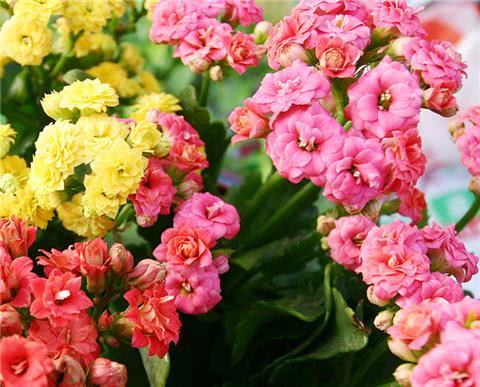
Kalanchoe has vivid colors and many varieties, and is a common potted flower in homes. If you want your kalanchoe to bloom all over the pot, you need to meet its requirements for light, water and fertilizer so that it will flower. Let's take a look at the specific steps below!
(1). Shade it to encourage blooming
After it receives 6 to 8 hours of light, move the kalanchoe indoors and put a black plastic bag over the plant to block out the light and encourage blooming.
(2). Plenty of light
The light period is from 8 in the morning to 6 in the evening, and after 4 it must be moved indoors for shading. It does not need a very long light period; too long a day length is actually bad for the kalanchoe forming buds. For plants that are already blooming, reduce the light somewhat, which can appropriately extend the flowering period.
(3). Replenish nutrients
In autumn, appropriate topdressing helps the kalanchoe form buds, produce more flowers, and prevents buds from dropping. The kalanchoe needs phosphorus and potassium fertilizer to form buds and bloom; if phosphorus and potassium are insufficient, it is very hard for buds to grow. You can use an organic nutrient solution with a high phosphorus and potassium content, dilute it with water 1000 times, and spray the leaves once every 10 days or so, or water it directly at the roots. When the flower buds are differentiating, spray 2 to 3 times with a 0.3% potassium dihydrogen phosphate solution to make the flowers even more vivid.
(4). Water appropriately
In autumn, as temperatures drop, the plant needs less water, so reduce watering to avoid root rot. Do a good job of the wet-dry cycle, and replenish water promptly during its bud-forming period; being short of water for a long time will affect growth during the flowering period. Water according to how wet or dry the potting soil is: water thoroughly once it has dried out. When the potting soil turns pale, water it thoroughly, and mix in a little fertilizer when watering to improve the soil's acidity and alkalinity.