Osmanthus blooms more flowers than leaves every year, and Old Wang's experience is worth learning from
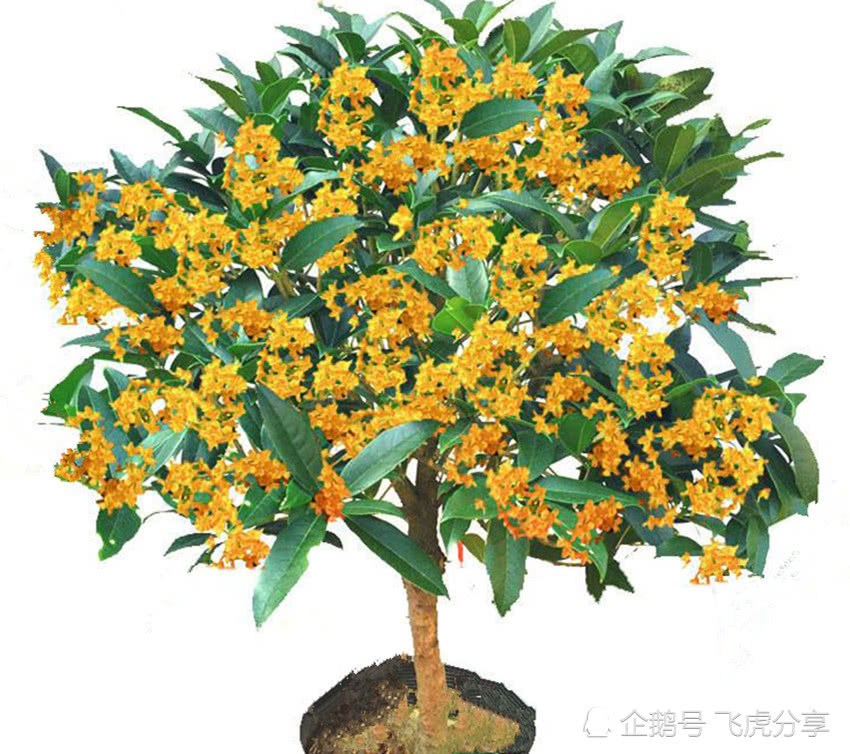
Osmanthus is a famous fragrant flowering plant. It is not only beautiful and strongly scented, but also purifies the air. With one plant at home, the fragrance fills the air. However, osmanthus grown by many flower lovers at home does not bloom for many years, and sometimes the blooms are pitifully few, with the fragrance becoming very faint. Old Wang, the neighbor, grows several osmanthus plants at home, and every year the flowers on the whole tree outnumber the leaves, and the fragrance is stronger than others'. Could he have some secret trick?
Actually, Old Wang has no secret trick for growing osmanthus. It is just that he has grown them for many years and summed up a few key care points himself: 1. Unsuitable soil. Osmanthus is suited to fertile, breathable, slightly acidic leaf mold or sandy loam soil. Saline-alkaline soil must not be used, and soil that is too acidic is also unsuitable. 2. Osmanthus fears both drought and excess water. Too dry easily leads to no blooming, while too much water easily causes root rot, leaf drop, bud drop and flower drop. It is best to keep the potting soil at about 60% humidity.
3. Insufficient light. Osmanthus is a sun-loving flowering plant. Insufficient light not only makes the branches and leaves grow weak and less vigorous, but also affects bud formation and blooming. Therefore, when growing osmanthus, give it plenty of light, ensuring more than 8 hours of light per day. 4. Unsuitable nutrients. Many flower lovers do not understand much about fertilizing flowers. They only know to fertilize, but not what role each type of fertilizer plays. Osmanthus is a flowering plant, and bud formation and blooming require phosphorus and potassium fertilizer. If too much nitrogen fertilizer is applied, it will cause only leaves to grow and no flowers. Therefore, fertilizing osmanthus should mainly use phosphorus and potassium fertilizer, such as bone meal, monopotassium phosphate, etc. Applying an appropriate amount of phosphorus and potassium fertilizer one month before blooming can promote flower bud differentiation in osmanthus.
5. Prune in time. Osmanthus has a very strong sprouting ability. After blooming, promptly cut off leggy branches, diseased and weak branches, and some overly dense branches, so as to improve ventilation and concentrate nutrients for bud formation. 6. For indoor growing, the winter temperature should not be too high. If the winter temperature is too high, osmanthus will sprout and grow leaves early, affecting bud formation and blooming. In addition, osmanthus needs to reach a certain age to bloom. Seed-grown osmanthus generally needs more than 8 years to bloom, while cutting-propagated and grafted seedlings need three to four years to bloom. Therefore, osmanthus is best grown from cuttings or grafted seedlings so that it can bloom earlier.