Keep these 3 toxic flowers away from your indoor garden; don't keep them even if they're free
Growing a few potted flowers at home is inherently an enjoyable thing to do; it not only lifts your mood but also beautifies your home environment. However, there is a lot to learn about growing flowers! After all, not every kind of flower is suitable for keeping at home. Because you never know, the flowers you're growing might be toxic! Toxic potted flowers are also called "poison flowers." There are so many varieties of flowers that we must be extra careful when caring for them. Even when choosing flowers at the flower market, you need to pay attention, because flower vendors won't tell you they're toxic. Next, Potted Plant Inn shares with you a few highly toxic flowers; remember to stay away from them, and don't keep them no matter how cheap they are.
When growing flowers at home, you must "stay away" from these 3 kinds; every one of them is a "poison flower," and you shouldn't keep them even if they're free
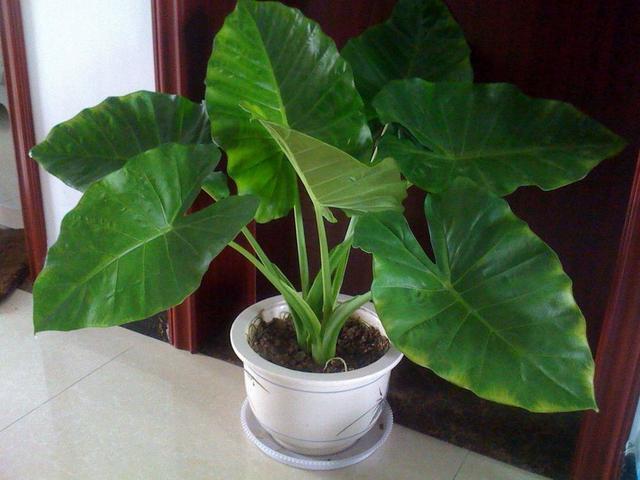
Do you see the flower above? This is the first one to be wary of. I believe many people who have grown it know that it's called "Dripping Guanyin" (Alocasia macrorrhizos). Dripping Guanyin, because of its nice name and its lush green leaves all year round, is easy to grow, so quite a few flower lovers keep it. Although it is a very good foliage plant, it is not suitable for keeping at home. That's because the sap of Dripping Guanyin is toxic. When human skin touches it, it immediately becomes red and swollen, and especially the eyes must not come into contact with it, as it can cause temporary blindness. If you do grow Dripping Guanyin, it's still best to put it outdoors. Or place it up high, so that children at home won't touch it.
The second toxic flower: potted narcissus
I know that as soon as I say narcissus can't be grown at home, many people will definitely question it. I suggest that if you grow narcissus, just be extra careful in your daily care. After all, it really is toxic. If you keep it at home and have children, don't let them touch the narcissus. Because its leaves and flower sap can make the skin red and swollen, and if a child accidentally eats the flower, the lycorine it contains can cause enteritis and vomiting. As a New Year flower for the Spring Festival, narcissus is fairly popular with the public, since it symbolizes "reunion." If you grow narcissus at home, just be more careful.
The third toxic flower: poinsettia
The poinsettia is a flower with very strong toxicity; just touching a bit of its sap can poison small animals to death, and of course it's also unsafe for people to touch. Nowadays at the flower market, you can still see whole swaths of fiery red poinsettias. As a flowering plant, the poinsettia's leaves are red, and it has high ornamental value. It is generally used to decorate flower beds, corridors, and so on. Quite a few people also buy one or two pots to take home and grow. A while ago, a flower lover even sent me a picture, saying they had bought 2 pots of poinsettia, the two pots in the picture above, and said they planned to put them in the living room. I said it's better to grow them outdoors, since after all it's a toxic flower.
In fact, toxic flowers are far more than the 3 above. Common flowers like morning glory, oleander, and tulips, and even mimosa, are toxic, so for beginners, if you grow flowers, you should learn more about them.
Thank you for reading! Remember to like and share~