Kalanchoe blooms for over half the year; do these things well in its care
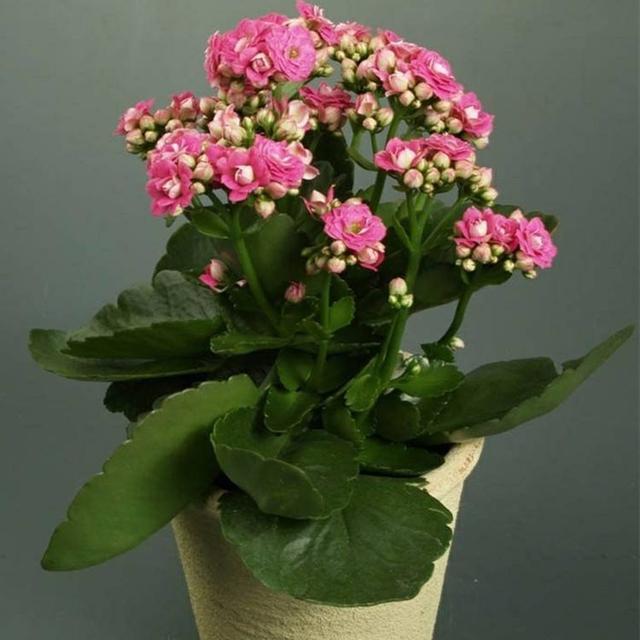
Kalanchoe has dense, emerald-green leaves, and its blooming period falls during Christmas and Spring Festival. Its flowers cluster into balls in rich colors, making it a very mainstream ornamental flower in winter and spring. Kalanchoe is a succulent plant, and its routine care needs plenty of attention, otherwise it will not bloom easily.
1. Give it appropriate light
Kalanchoe generally prefers plenty of light, ideally receiving about 8 hours of light each day, so its branches and leaves grow more compactly and can store more nutrients to prepare for producing flowers. Of course, after autumn begins you need to reduce the light appropriately. Besides receiving light during the day, it is best for it to be in complete darkness at night, which ensures it blooms on time and produces more flowers.
2. Care environment
In addition to ensuring sufficient light, the care environment also needs to keep the leaf surface clean, free of too much dust, and the environment must have good ventilation. It cannot be kept in a sealed environment, otherwise it easily invites pathogens that cause leaf spot disease or root rot.
3. Appropriate fertilizer and water
If the growing environment is warm and has sufficient light, then normally we only need to slightly increase watering, so the water evaporates fairly easily and does not cause waterlogging. Kalanchoe is a type of succulent plant and does not have a high demand for water, so it cannot be watered frequently. During the growing period, apply light fertilizer frequently, and in autumn appropriately increase phosphorus and potassium fertilizer, which provides sufficient nutrition for blooming.
4. Care during the blooming period
During the blooming period, besides appropriately reducing light, you also need to avoid getting the leaves and flowers wet, especially do not spray water at night, otherwise the flowers easily wither. After flowers wither and finish blooming, cut them off promptly, which lets the plant retain more nutrients and helps give Kalanchoe a chance to produce flowers again.
In addition, after the weather turns cool in autumn, avoid excessive watering and stop fertilizing. If the plant grows too long, you need to pinch the top and prune it, which promotes more branching and more flowers.