Potted mint with withering branches and leaves? Use this method to easily fill a pot with growth
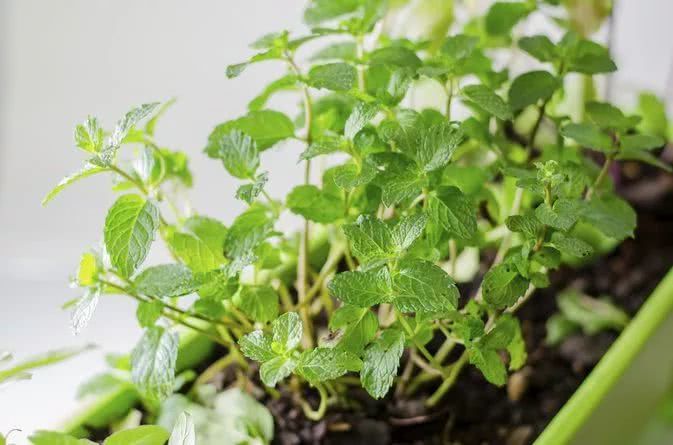
Potted mint is very easy to grow and is a fragrant herb plant that grows especially easily. If planted in a yard, it can also spread excessively, and in severe cases can take over the entire yard, but when grown in a flowerpot it is easy to kill it. If you have dying potted mint at home, you can use the following methods to save it.
For dying potted mint kept at home, as long as you appropriately improve the care environment, prune properly, and provide reasonable care, they can grow back to fill the entire flowerpot again.
If you find black spots on mint leaves and these spots keep expanding, then it has been infected by a fungal disease and needs to be handled promptly, otherwise the entire plant will rot and wither.
When this happens, you must promptly improve the care environment, cut off all leaves infected by the disease, and also remove some small branches in poor condition.
Be careful to use scissors that have been disinfected for pruning. You can wipe them with alcohol, or use a diluted bleaching powder solution to disinfect them. The scissors used to prune mint branches must be sharp.
After pruning mint branches and leaves, avoid getting them wet, otherwise it will worsen the fungal infection and easily cause secondary infection. After pruning mint branches and leaves, also clean up all fallen leaves on top of the potting soil, then place the potted mint in a ventilated and bright location. Do not water at first. When the soil is dry, water from the edge of the flowerpot.
Also pay attention to regularly applying fungicide. You can use the most common thiophanate-methyl solution or chlorothalonil for sterilization and disinfection. Generally, giving it 3~4 times in a row is enough, and it can be sprayed once every 5~7 days.
Many friends' indoor potted mint is prone to powdery mildew, with a layer of white powder infecting the leaves. This situation is usually caused by a poorly ventilated environment or insufficient environmental humidity.
You need to keep the potted mint in a ventilated and bright location with appropriate sunlight every day, and also avoid indoor air humidity being too low. Although mint has a certain drought tolerance, keeping it as an indoor potted plant means watering regularly, watering thoroughly once the potting soil has dried out.
For dying potted mint, you can cut off all the branches at the top, which can encourage the main stem of the potted mint to sprout new branches again.
When potted mint kept at home develops root rot, it is generally caused by a poorly ventilated environment, overly frequent watering, or water accumulating in the potting soil. You need to promptly dig up the mint, cut off the rotted root parts, and replant it with new soil. Prepare some loose, breathable, and well-draining sandy soil. The most suitable cultivation environment temperature is maintained between 15~25 degrees.