How to Keep Vegetables and Fruits Fresh? Learn These Practical Tips Quickly
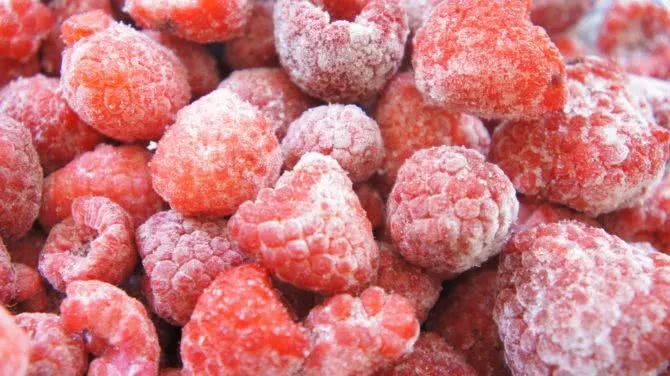
If you have grown some vegetables and fruits on your balcony or in your yard and had a bumper harvest, then you may end up with extra vegetables and fruits, and you can use some practical tips to keep them fresh. Besides putting them in the refrigerator to keep them fresh, what other methods can you think of?
The following methods can all preserve fruits, vegetables or herb plants well, and you can use them to extend the freshness period.
1. Storage at room temperature
This is the most common freshness-preserving method. Harvested fruits and vegetables can be kept fresh with this simple method. You can place them directly in a cool, dry environment, avoid placing them in a damp place, and do not put them in an environment with too much light.
This method is suitable for storing winter melon, onions, potatoes and sweet potatoes, etc.
For keeping fruits and vegetables fresh, you need to clean them thoroughly and avoid any bruises, otherwise they will easily rot. If they are winter melon, pumpkin and the like, you should appropriately leave some stem at the top.
2. Refrigeration
Most vegetables keep better in the refrigerator. Freshly picked vegetables and fruits can be put directly into freshness bags, and then placed in the refrigerator for storage. If stored properly, they can be kept in the refrigerator for two to three weeks, of course under ideal conditions.
After packaging, freeze these fruits and vegetables continuously, and keep these fruits and vegetables at a temperature below 12 degrees.
3. Canning for storage
Using jars to preserve fruits and vegetables is a very good method, as this can preserve the moisture in the vegetables and fruits. It is especially suitable for storing fruits and vegetables such as tomatoes, mushrooms, beans and peaches, though of course there are techniques involved.
Use clean, sealed new jars, and they can be processed with boiling water or pressure. Vegetables and fruits need to be properly dried before they can be put in. An oven can be used for dehydration. During drying, a well-ventilated environment should be maintained to prevent spoilage, and you must ensure that the vegetables and fruits are fully ripe and free of disease.
4. Pickling fruits and vegetables
Freshly picked fruits can also be stored by pickling. Many vegetables and fruits can be preserved using this method, such as common chili peppers, cauliflower, apples, pears and various seasonings.
Salt or vinegar can be added for pickling. To prevent spoilage, choose vegetables and fruits free of disease, and wash them thoroughly before processing.
5. Jam and jelly
Making fruits into jam for preservation is wonderful. There are also some basic techniques for making jam and jelly. Use the freshest fruits to make them. When making jam, fruit gel can be added appropriately, and lemon juice can be added to fruits with low acidity.