Asparagus fern always turning yellow? It's not that you're bad at growing it, it's that you chose the wrong soil
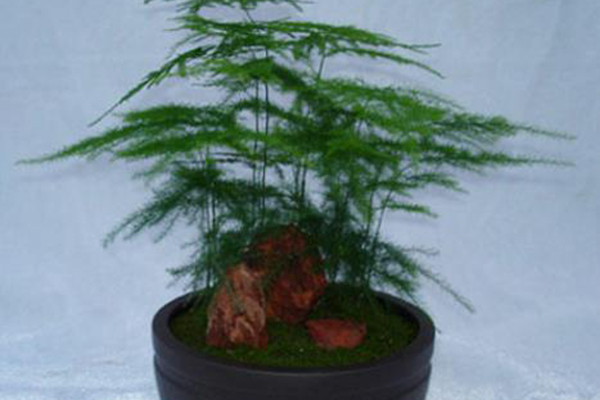
This is especially true for plants like asparagus fern, whose stems are relatively thin and weak, and which easily develop all kinds of problems during growth, so the work of preparing the soil before potting up becomes even more important. Today, Huahua will talk to you about how to mix the soil for asparagus fern before potting.
Before choosing what kind of soil to mix for asparagus fern, you first need to know its growing habits. Asparagus fern likes soil with strong air permeability, and this is a fairly key point for it. Its roots and branches are both quite slender, and once the soil causes root rot because it is not airy enough, the asparagus fern is basically doomed.
Not only must the soil's air permeability be ensured, but the soil must also contain enough nutrients to provide nutrition for the asparagus fern to grow, so nutrients are also indispensable. Therefore, the soil for growing asparagus fern must guarantee both nutrition and air permeability.
Huahua suggests you can use a mix of: nutrient soil + humus soil + coarse sand, in a ratio of 5:3:2. This not only ensures the soil's nutrients for the plant, but also lets the plant's roots breathe. With both air permeability and nutrition guaranteed, the asparagus fern will only grow healthily and robustly after potting.
There is also another asparagus fern recipe from a flower-growing friend, and the asparagus fern she grows with it is also very good. She uses pine needle soil, substrate soil containing organic fertilizer, vermiculite and perlite. From the recipe it is easy to see that she also chooses substrate soil containing organic fertilizer to ensure nutrition, and uses vermiculite and perlite to ensure the soil's air permeability.
So, fellow flower growers, do you see it now? The big principle when mixing soil for asparagus fern is to ensure nutrition and air permeability. Experienced friends can mix their own according to this big principle, and it's fine for beginners too - you can try these two recipes yourself.
When mixing, it is best to adjust according to your own geographical location and climate conditions. For example, southern places are relatively humid, so when mixing it is best to add more coarse sand to increase the soil's air permeability.
Following the big principle of good air permeability and good nutrition, and adjusting according to your own geographical environment and location, once you master these two points you can mix the soil however you like. While growing asparagus fern, be sure not to water too much and cause waterlogging and root rot.