How to grow a five-needle pine? Remember these care essentials
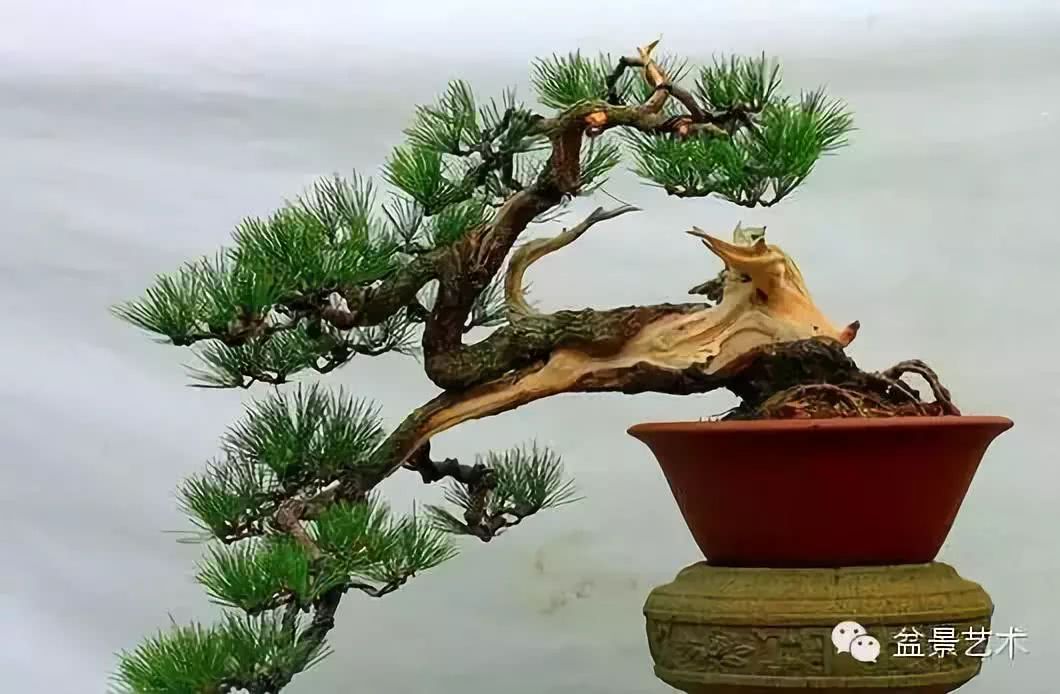
The five-needle pine grows best in loose, fertile, well-drained, slightly acidic soil. When grown in a pot, if the soil is too alkaline, the needles will turn yellow and drop, so natural mountain soil is best for the potting mix. For the potting soil ratio, mix 3 parts leaf mold, 5 parts garden soil, 1 part compost, and 1 part sand into a nutrient soil. Generally, repot once every 2 to 3 years, and the best time to repot is from February to March or from September to October.
The five-needle pine is a sun-loving species, so in spring, autumn, and winter it should be kept in a spot with plenty of sunlight, which keeps the needles short and sturdy and the foliage deep green; otherwise, the needles become weak and thin and tend to turn yellow and dry. However, in the hot summer, avoid the scorching sun and high temperatures around midday, so the needles do not get scorched. Spring and autumn are the growing seasons for the five-needle pine, so keep the potting soil consistently moist to encourage the growth of branches and leaves. In summer, the five-needle pine grows slowly and has entered its dormant period, but because water evaporates quickly, water once every morning and also spray the leaves once in the evening. In winter, control watering and just maintain its minimum temperature. Once the five-needle pine has taken shape, do not fertilize too much, otherwise the roots are easily damaged.
For potted five-needle pine, choose a dry, well-ventilated environment; too much moisture or too much shade is bad for its growth. Watering must be done properly: generally once a day in spring and autumn, twice a day in summer, and once every few days in winter, while also adjusting flexibly according to weather changes. Watering with natural water is better; if using tap water, it can be stored in a vat for a few days before watering.
The five-needle pine does not have high fertilizer requirements, so fertilizing should not be too much or too concentrated. Too much fertilizer will cause the branch tips to grow leggy and the needles to become longer, harming its ornamental value. Generally, fertilize only twice during the spring and autumn growing periods. In spring, apply organic liquid fertilizer (cake fertilizer water) once before budding or once after the leaves thicken, and in autumn fertilizing can be slightly more concentrated to promote robust growth. Stop fertilizing after October.
During care, pay attention to the following three points:
1. Watering too frequently, or heavy rain in June each year, often makes the potting soil too wet; combined with poor drainage and water accumulation in the pot, this causes a lack of oxygen in the soil, leading to root rot and yellowing needles.
2. In the hot summer, water evaporates quickly and watering is insufficient,which can cause the needles to scorch. If exposed to blazing sun and the potting soil is too dry, the five-needle pine will also show scorched tips on the top needles, and if the water shortage continues, the plant will eventually die.
3. If the five-needle pine is kept indoors for a long time, with insufficient light and air,this goes against the five-needle pine's habit of receiving light outdoors, or if it is suddenly moved outdoors and exposed to blazing sun, the same situation described above can also occur. To prevent the leaves of the five-needle pine from turning yellow and drying, corresponding prevention and rescue measures should be taken for the above causes.
In-depth reading