Grandma sprinkled ash into the flower pots, the mosquitoes and bugs disappeared, and the potted flowers sprouted new shoots that shot up and filled the pots
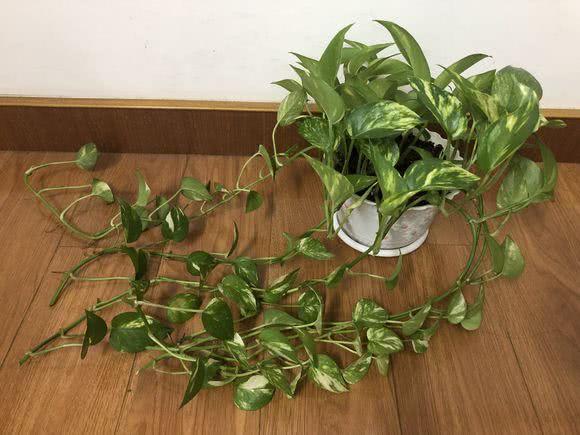
What is being talked about here is plant ash. Plant ash is no stranger to flower lovers who have lived in the countryside. Some flower lovers want to try using plant ash to grow flowers. Plant ash itself is a very good fertilizer, but when applying it, you must pay attention to the method and amount, and you cannot do it carelessly. Grandma often uses plant ash to grow flowers, and the effect is especially good. The leaves of the pothos, money tree, and clivia at home are all glossy green!
Grandma sprinkled "ash" into the flower pots, the mosquitoes and bugs all disappeared, and the potted flowers' new shoots shot up and filled the pots!
Plant ash is a phosphorus and potassium fertilizer. When I grow orchids, I apply a little to the fleshy roots to prevent root rot (disinfection). I also use it as a base when planting other flowers, but not much, about 3-5 grams per plant. I also apply some when the fruit sets, also 3-5 grams. Last time a flower lover said that if too much is added, it is not easy to dry out after absorbing water, and the flowers were suffocated to death. Plant ash can be used to promote germination, especially in winter and early spring.
Plant ash comes from the product after burning straw, firewood and grass, dead branches and fallen leaves, etc. It contains a variety of nutrient elements needed by crops, so it is a commonly used fertilizer for growing flowers. Plant ash can be sprinkled directly onto the flower pot, which is convenient and saves effort; after sprinkling into the flower pot, water it to prevent the plant ash from being blown out by the wind.
When taking cuttings or transplanting, mixing plant ash into the soil can promote the healing of plant wounds and quickly sprout new roots. Generally, after flowers are sown, covering the seeds with a layer of plant ash about 2 cm thick can make the seeds sprout 10 days earlier, because plant ash can keep them warm, is rich in nutrients, and is loose.
Spraying the stems and leaves of plants with a water solution soaked in 5% plant ash can promptly prevent red spiders, aphids, etc., which can reduce the incidence of disease in the plants. Mixing plant ash with water and then watering the flowers dissolves the water-soluble substances in the plant ash into the water, so when watering the flowers, the water contains minerals.
During the transplanting process of flowers and trees, using plant ash fully mixed with organic fertilizer as base fertilizer, or mixing 5-20% plant ash when preparing nutrient soil, can increase the absorbability of the fertilizer, promote wound healing, and improve the survival rate of seedling transplanting. When transplanting and repotting flowers such as clivia, cut off the rotten roots and spray plant ash on the wounds and root system, which can control root rot, promote new roots, and restore their growth vigor.