Snake Plant Care Tips: Repot Once and Divide into Several Pots, New Shoots Grow Vigorously and Fill the Pot
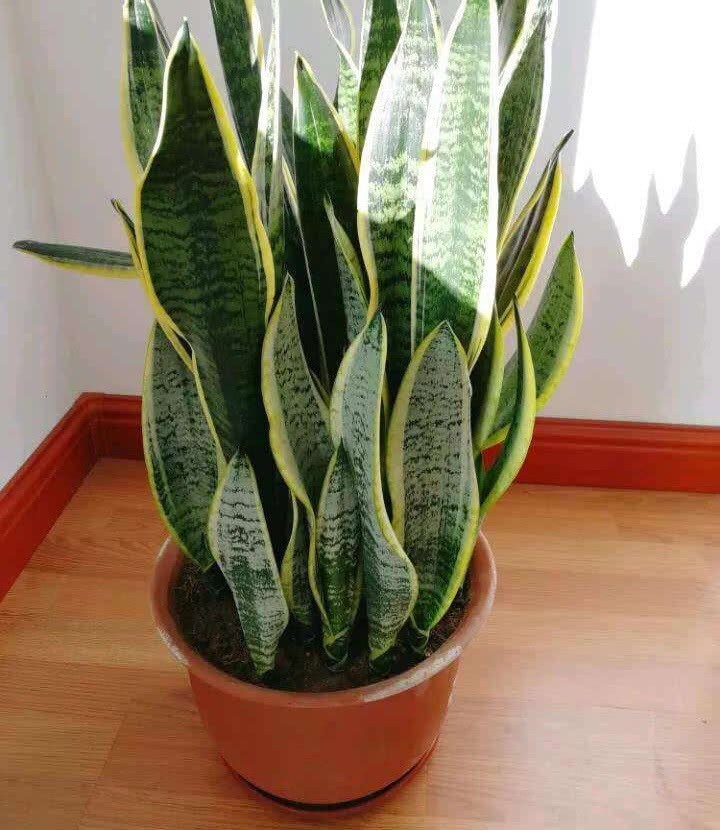
Snake Plant, also known as Thousand-Year Orchid or Tiger Tail Orchid, is a plant with exceptionally strong vitality and unyielding toughness. Its leaves can purify indoor air, and it is very tough and easy to grow, tolerant of poor soil and drought, and can be kept for many years. Some plant lovers have grown it for over ten years, and it fills the pot and blooms. Whether it is the golden-edged Snake Plant, the short-leaved Snake Plant, or the round-leaved Snake Plant, they are all equally easy to grow. Keeping one pot in the living room, study, or balcony looks great. How do you care for Snake Plant in autumn and winter? Does Snake Plant need repotting and soil changing? How can it grow more robustly and lushly?
Repot your Snake Plant once in autumn, and one pot becomes many pots. New shoots sprout rapidly, and leaves grow longer and taller!
For a Snake Plant that has been grown for one or two years, check how its growth is doing. If it is growing well, with new shoots constantly emerging, and the pot is big enough, then there is no need to change the soil or repot. If the soil is very compacted and growth is slow, with not a single shoot emerging for several months, or if it has already filled the pot and the pot is too small, then in these two situations you need to change the soil and repot in time. Only then will it grow more vigorously and produce more small shoots.
How do you repot a Snake Plant?
Repotting time: it is best in spring and autumn. Summer temperatures are too high, and in winter the low temperatures send it into dormancy, so neither is suitable for repotting, otherwise it easily affects root establishment and growth, and may even cause frost damage.
Soil: prepare new potting soil and remove at least half of the old soil. Although it is not strict about soil and can grow in a small pot, in a slightly larger pot, add some river sand, leaf mold, and garden soil to the potting mix. The soil layer should be fertile, deep, and airy, so it will not become waterlogged and rot the roots, and it will also make it grow faster and more robust. Add a small amount of compost as a base fertilizer, or well-rotted chicken manure, cake fertilizer, or other organic fertilizers.
When repotting, there is a little trick that can propagate several pots of Snake Plant. If the Snake Plant has grown many branches and leaves, when removing the soil, take the whole plant out of the pot, and then you can divide and cut it apart.
You can pull it apart by hand. If it cannot be pulled apart, use a sterilized blade, apply a little carbendazim to the cut, and then plant the divisions separately. Through this seedling propagation method, one pot can be planted into many pots. This is also how Xiaoya grows Snake Plant.
If there are many leaves, you can also cut off a few leaves, cut each leaf into three or four sections, let the wounds dry, then insert them into clean river sand or vermiculite and perlite. Water frequently to keep moist, and they will gradually grow roots, then grow small leaves. You can also propagate many pots of Snake Plant through cuttings.
After repotting, place it on a windowsill in a fairly ventilated spot with indirect light. Do not let it be exposed to the sun, to avoid the leaves turning pale and dry. After repotting, wait about ten days or so before returning to normal care.
If the Snake Plant grows slowly, then it needs fertilizing. During the peak growth period, you can fertilize twice a month, a small amount each time. It is best to use a compound fertilizer, because applying too much nitrogen fertilizer makes the leaf patterns fade. You can also poke holes in the soil around the pot and bury 8 cooked soybeans, and then you will not need to fertilize again. The Snake Plant will grow especially lush.
When caring for Snake Plant in winter, place it inside an enclosed balcony, or indoors in a warm spot away from cold drafts, and reduce watering, and it will safely overwinter.