What to do about yellow leaves on lucky bamboo? Add a drop of fertilizer water and the leaves quickly turn lush green
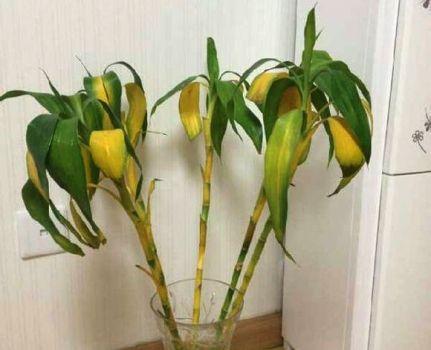
Lucky bamboo (Dracaena sanderiana) symbolizes "wealth and peace," making it a very worthwhile ornamental plant to grow. Plus, it is usually grown in water, so it looks very clean. Placing it in the living room or bedroom at home is a good choice. This plant is similar to pothos in terms of care, both simple and low-maintenance. But the easier a plant is to grow, the more prone it is to small problems. Take the all-too-common "yellow leaves" phenomenon, for example. One or two yellow leaves on a plant are nothing to worry about, but if there are many yellow leaves, you need to adjust your care routine as soon as possible.
Yellow leaves on lucky bamboo are very common; the main causes are the following 3 points
As a water-grown plant in the home, we usually keep it in a water bottle. This sets it apart from other plants, since the rest, like pothos, spider plant, and kalanchoe, are all soil-grown. For water-grown plants, nutrient solution is crucial. Therefore, when lucky bamboo leaves start turning yellow, the cause is mostly insufficient nutrients in the nutrient solution. The other two factors for yellow leaves are improper lighting and poor ventilation. Putting lucky bamboo in a shady and poorly ventilated spot is not right.
Yellow leaves on lucky bamboo? Drop in 1 point of "fertilizer water" and the leaves quickly turn lush green
As just mentioned, the main cause of yellow leaves on lucky bamboo is insufficient nutrients in the nutrient solution. So which nutrients are lacking? A gardening enthusiast once said that when lucky bamboo leaves turn yellow, you should put a rusty iron nail in. Actually, putting in a rusty iron nail is the wrong approach. Because yellowing due to iron deficiency is rare in lucky bamboo, and even if it were iron deficiency, an iron nail cannot solve it; you would need ferrous sulfate solution instead. Next, the "fertilizer water" I want to tell gardening enthusiasts about, which can help lucky bamboo get rid of yellow leaves, is potassium dihydrogen phosphate.
Dropping potassium dihydrogen phosphate solution into the nutrient solution of lucky bamboo can perfectly supplement phosphorus and potassium, both of which are trace substances that help plants carry out photosynthesis. Only when lucky bamboo has sufficient amounts of these two elements will its leaves become more and more glossy green. Of course, if the leaves of your lucky bamboo are slightly yellow, after using potassium dihydrogen phosphate, the leaves will quickly "regreen."
Potassium dihydrogen phosphate on the market is generally powder or granules, which you need to dissolve and dilute in water after preparing. The ratio can generally be controlled at 1:10. Once the solution is made, you can drip it directly into the water bottle of the lucky bamboo. This fertilizer water can be used not only for yellow leaves on lucky bamboo, but also for yellowing leaves on common plants such as pothos, spider plant, and asparagus fern.
Finally, a bit about the daily care of lucky bamboo. To grow lucky bamboo well, you must pay attention to the water level in the bottle, generally keeping it between one-third and two-thirds of the bottle height. Too much or too little water is not good for its growth!
Thank you for reading! Remember to like and share~