3 plants with a flowering period of up to 100 days, which can become family heirlooms once they grow into old specimens
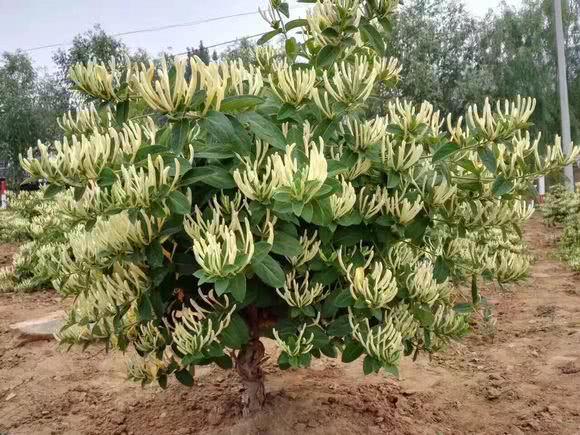
The most widely known function of flowers and plants is purifying the air, especially their ability to absorb many harmful gases such as formaldehyde, so gardening enthusiasts often place flowers and plants on their balconies. Most flowers and plants are green, and green can relax the mind, making people very happy when they return home after a day of work, and it also serves a decorative purpose. Some flowers bloom for a relatively long time. Let's take a look!
The "3 kinds" of plants with a flowering period of up to 100 days, which can also serve as "family heirlooms" after growing into old specimens!
These three plants are actually ones we often see, and they can even be seen along the roadside. They are: honeysuckle, winter jasmine, and clivia. Although you may have seen them, that does not necessarily mean you have grown them. They are very beautiful after blooming, and they have a long flowering period, so they can be grown at home. Growing some potted green plants has many benefits. When people get older and move around less, if they grow some flowers and plants, they have to water and fertilize them, which also serves as a form of exercise.
The first kind: honeysuckle
The flowering period of honeysuckle is generally from April to June in summer. In autumn, honeysuckle will also bloom, followed by the ripening of the fruit. Factors affecting whether it blooms: sunlight, sufficient sunlight, and a well-ventilated environment will help it bloom. Soil, ensure the soil has sufficient nutrients, apply an appropriate amount of phosphate fertilizer, and do a good job of pruning during the growing period.
For flowering plants, there is absolutely no way without sun. The duration and intensity of sunlight also greatly affect flowering. Four-season honeysuckle does indeed bloom in all four seasons, but not every day, because after blooming once, it takes about twenty days for new branches to grow and flower buds to sprout. If you want it to bloom continuously, besides planting 8 to 10 of them, you also need to control the flowering period through pruning.
The second kind: winter jasmine
The flowering period of winter jasmine is from February to May every year. The flowers are yellow, with a light fragrance, and the berries are blackish purple. Applying light fertilizer once or twice before the flowering period can extend the flowering period and increase the number of winter jasmine blooms. Remember, do not fertilize during the flowering period. After the spring flowering period, apply organic fertilizer once. In summer, apply phosphorus and potassium fertilizer. In autumn, apply organic fertilizer once a month to increase the plant's ability to resist cold and freezing.
Winter jasmine is mainly propagated by cuttings, and can also be propagated by layering and division. Cuttings can be taken in spring, summer, and autumn. Cut semi-lignified branches 12-15 cm long, insert them into sandy soil, keep them moist, and they will take root in about 15 days. For layering, bury longer branches shallowly in sandy soil without wounding them. They will take root after 40-50 days, and can be separated from the mother plant and transplanted in spring of the following year.
The third kind: clivia
Clivia has very strong vitality, and its lifespan is generally several decades or even longer. Clivia also has high ornamental value. In appearance, it is very beautiful and elegant, with upright, emerald-green leaves. Although the petals are large, their color is very vivid, and the fruit is even brighter red. It is known as flowering in one season, fruiting in three seasons, and foliage in all four seasons.
If a sun-loving plant is grown in a dark and damp environment, then the plant will have its flowers wither, its leaves turn yellow and withered, and it may even have no flowers and no fruit. Its lifespan will not be long, and it will die in a short time. At this time, clivia is a good helper, because clivia is a 100 percent sun-loving plant and cannot grow normally when there is insufficient light, so it can be used to test whether the light is sufficient.