Monstera winter survival tips: leaves stay lush and green even at zero degrees
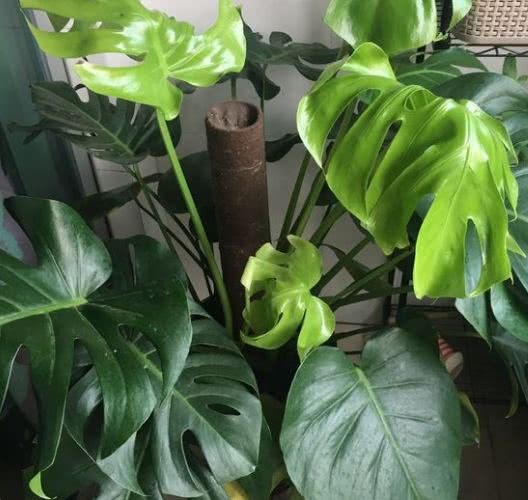
Growing some potted plants at home, especially ones with particularly large leaves, looks quite impressive. Monstera deliciosa has large leaves and an emerald green color, can purify indoor air and absorb harmful gases, and has a rather elegant plant shape. It is a perennial climbing evergreen shrub, also called monstera banana, electric wire orchid, and so on. But many flower lovers want to know: will Monstera deliciosa freeze to death in winter, and exactly how should it be grown to survive the winter safely?
Growing Monstera deliciosa: one little winter survival trick, leaves lush green, big and vigorous!
Propagation methods for Monstera deliciosaIn spring and autumn, if friends or relatives have grown Monstera deliciosa, you can cut off a section of stem with some aerial roots and growth nodes to bring back for cuttings. If the Monstera deliciosa at home is not a single-stem plant and is fairly bushy, you can use a stem section with three buds to propagate more pots of Monstera deliciosa.
Little tricks for getting Monstera deliciosa through winter
Compared with some particularly cold-intolerant plants, such as pothos, lucky bamboo, and money tree, Monstera deliciosa is still relatively cold-tolerant. In places like Yunnan, it can grow to several meters tall, and outdoors without any care it can still keep growing very well. Based on the experience of some flower lovers who have grown Monstera deliciosa, its growing temperature is around 20 degrees. Although in winter it is best to keep the temperature above 5 degrees, if the temperature is around zero degrees, not especially low, and there is no heating, paying attention to some little methods and tricks also allows it to survive the winter safely. It will just stop growing and will not produce new leaves. Even if a few leaves get frost damage, it will still recover later and put out many small leaves.
When autumn and winter arrive and the temperature gradually drops, in order to keep Monstera deliciosa in better condition and help it get through winter smoothly, be sure to pay attention to these few small cultivation details:
After entering late autumn and winter, reduce the frequency and amount of watering, keep the potting soil slightly dry, and occasionally spray a little water mist around the leaves of the potted plant. Be sure to wait until the potting soil is dry, then choose a sunny day, at noon, when it is relatively warm, and just water a little.
Before the frost arrives, Monstera deliciosa grown outdoors must be brought indoors, or into an enclosed balcony. Although it is usually very shade-tolerant, meaning it likes to grow in bright indirect light and does not like direct sunlight, in winter it can be placed in a spot with warm sunlight. It is best to use an enclosed balcony, occasionally open the window for ventilation, and be sure not to let it get hit by cold wind. Keep the soil slightly dry.
A flower lover in Central China and a flower lover in Jiangsu that Xiaoya knows grew Monstera deliciosa in winter in a room, and on a south-facing balcony that gets sunlight. Following this method, the leaves remained emerald green, without a bit of frost damage, completely intact. They just did not produce new shoots.
Although Monstera deliciosa likes fertile soil and likes frequent fertilizing, in winter be sure to fertilize less or stop fertilizing. Give fertilizer again in the peak growing seasons of spring and autumn. Each time, water it with diluted organic fertilizer water. Do not use too much fertilizer or raw fertilizer. Keep it in bright indirect light, and it will grow especially well, grow tall, and produce more and more leaves, very beautiful and impressive!