6 Practical Tips for Protecting Flowers from Frost in Winter
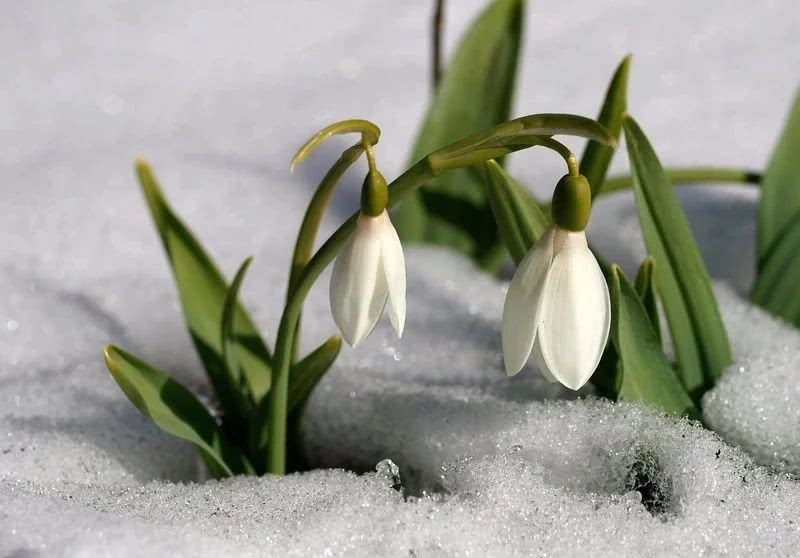
Before frost arrives, water your plants once with overwintering water, which helps them get through the cold winter better and avoid frost damage. How should you care for plants in winter to keep them from being damaged by cold? The tips below are worth knowing, and the most important thing is to avoid damage to the plant roots, especially when the temperature drops below zero.
To keep plants from being damaged by cold, the most common methods are to spread mulch over the plants, place them in a warm spot, or choose cold-hardy plants.
1. Pay attention to watering
Once the weather turns cold in late autumn, stop fertilizing, control watering appropriately, avoid watering too frequently, and gradually reduce watering frequency; for plants that fear the cold, stop watering altogether.
2. Spread mulch
To keep plants from being damaged by cold, you can spread newspaper, cardboard, felt, rotted wood shavings or other mulch over the soil surface. This protects the roots and stems from frost damage; some robust plants will still sprout new growth the following year even if their leaves are killed by frost.
3. Cover with a protective layer
For plants with some cold hardiness, you can cover the flowers and plants with glass cloches or plastic covers. You can prepare some clear plastic film, support it over the soil surface with a few sticks, and then cover the plants, which prevents them from getting too cold.
You can also repurpose a plastic bottle and place it over the plant, which also gives it some protection from the cold, helps raise the temperature during the day, and maintains humidity.
4. Move them to a suitable location
If they are potted plants, in winter you can move them indoors and place them on a windowsill with appropriate light, preferably a windowsill facing east or south.
But the leaves must not touch the glass, otherwise the frost damage will be worse.
5. Caring for indoor plants
Plants kept indoors in winter also need protection from the cold. Do not water plants with ice-cold water; use clear water at room temperature, otherwise the plants will be damaged by cold.
Do not move plants outdoors too early, especially when frost is about to end; if spring temperatures have not yet stabilized, do not move the plants outdoors, otherwise they will easily suffer frost damage.
6. Choose cold-hardy plants
If you live in a relatively cold place, you can choose some cold-hardy plants, such as the common crocus, tulip, grape hyacinth, hyacinth, lily of the valley, snowdrop, snowflake (Leucojum) and pansy; they are all somewhat cold-hardy, and some can even bloom in ice and snow.
Relatively cold-hardy vegetables include broccoli, cabbage, carrot, Chinese chives, pea, spinach and Swiss chard.