Watering plants has its tricks - do it this way and you won't get root rot for ten years
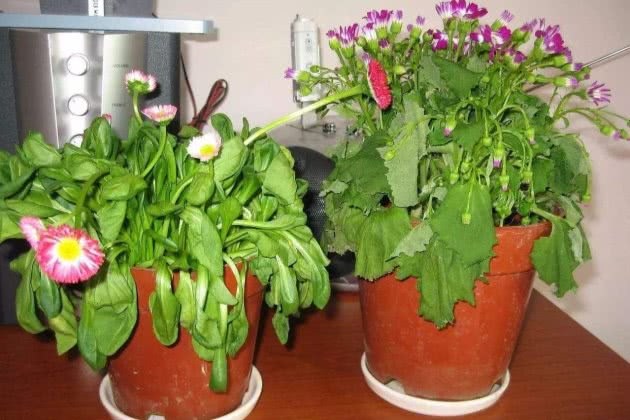
How do you water plants? For many beginner gardeners, watering is perhaps the most important part of growing flowers, because for those who have just stepped into the role of plant parent, it really is hard to get right. Many flowers and green plants, after being grown for a period of time, always end up with problems like soft, limp leaves from lack of water, or yellowing and rotting leaves from overwatering.
So how exactly should we water our plants to avoid these problems? In fact, poor growth in plants is not only caused by watering - fertilizing, light, temperature and so on can all lead to poor growth. We need to learn to analyze what is actually causing the problem, and only then can we find the right techniques to deal with it. Of course, the most critical part is watering, since no other task is done as frequently as watering. Below, let's learn together how to water plants!
Perhaps many flower lovers already know the watering principle for flowers and green plants right from the start. This principle is: water when dry, stop when wet - or in other words, don't water unless dry, and when you do water, water thoroughly. So how do we understand the deeper meaning of this? Simply put, when watering you need to observe, and only water thoroughly once the potting soil has dried out completely!
So what kind of state counts as completely dry? The common way to judge is by observation! Observe the surface soil of the pot - when you see the surface turning pale, or gaps appearing between the soil and the edge of the pot, or cracks forming in the soil, that counts as completely dry. This is a rough judgment of "completely dry" obtained through surface observation.
More precisely, we can judge by inserting a dry wooden stick or chopstick into the soil. This kind of test requires waiting half an hour before pulling it out, then checking whether any moisture remains on the stick. If the stick shows no water mark and has not darkened in color, the soil is completely dry; otherwise, it is not. When using this method, we actually don't have to wait until no water mark is visible at all before watering - as long as the water mark is very faint, we can water. And sometimes, when we insert the stick and pull it out immediately, we can see an obvious water mark - at that point, watering is absolutely out of the question!
So whether it's time to water or not, we beginners must observe a lot and use different methods to make our judgment so that it is more accurate! In addition, if we haven't watered for half a month and the leaves have gone soft, then there is no doubt that we have watered too little - replenish the water in time. This is a technique of making a reasonable assumption based on the general time frame!
So what kind of state counts as watered thoroughly? Watering thoroughly generally means water flows out of the drainage hole at the bottom of the pot - that is, when we water, the water comes out from the bottom, and only then does it basically count as watered through. Of course, if our soil is severely compacted and there are gaps between it and the edge of the pot, then this kind of judgment is clearly unreasonable. So to water thoroughly, we must judge correctly only when the soil is in a normal, loose state.
So how should we water? When watering, a fast gush of water is not suitable - even if water flows out of the bottom of the pot, it cannot be counted as watered through. We need to water slowly, letting the water fully penetrate deep into the soil, and wait until water appears at the bottom of the pot before it counts as watered through!
To sum it up in one sentence: the soil environment must be normal, the timing of watering must be judged accurately, and when watering, go slowly and don't rush. Only then can you meet the requirements of the principle: don't water unless dry, and when you do water, water thoroughly.
However, there are exceptions to everything. Not every plant needs to be watered in time according to the water-when-dry, stop-when-wet principle. For example, snake plants, succulents, aloe vera, money trees and so on - these plants are relatively drought-tolerant and fit the principle of preferring dry over wet. They can withstand drought for a long time, so even if we cannot judge the right watering time very well, we can appropriately extend the watering cycle, for example watering once every half a month or once every ten days is fine. Conversely, some plants are not drought-tolerant, especially some shrubs and vigorously growing spider plants, pothos and the like. With these, you must grasp the watering timing well and water before the soil dries out completely, otherwise once the leaves wither and go badly soft, there is no saving them!
Besides watering techniques, we also need to pay attention to the question of what water to use for watering. The common choice for watering flowers is tap water, but watering flowers directly with tap water is very bad and harmful to plant growth. Some of the disinfectants in tap water affect plant growth, so when using tap water to water flowers, be sure to put it in a container and let it sit in the sun for a few days - that's best! Secondly, for some plants that like acidic soil, such as camellias and gardenias, collecting and using rainwater for watering is the best choice.
Finally, as the seasons change, both our watering cycle and watering time differ. In midsummer, watering should be done in the early morning or in the evening, while in spring, autumn and winter, when temperatures are relatively low, there is no such concern. On rainy days, be sure to control the amount of water when watering and avoid waterlogging, otherwise slow evaporation will also cause the potting soil to stay too moist for a long time, breeding bacteria and causing poor plant growth!
The above is what Huar Gu has introduced for you about some judgment techniques and specific precautions for watering plants. As long as we understand the growth habits of our plants, our watering generally won't go too far wrong. How do you usually water your flowers and green plants? You are welcome to leave a comment and share!