Why Potted Spider Plant Leaves Curl and Leaf Tips Turn Black, and How to Fix It
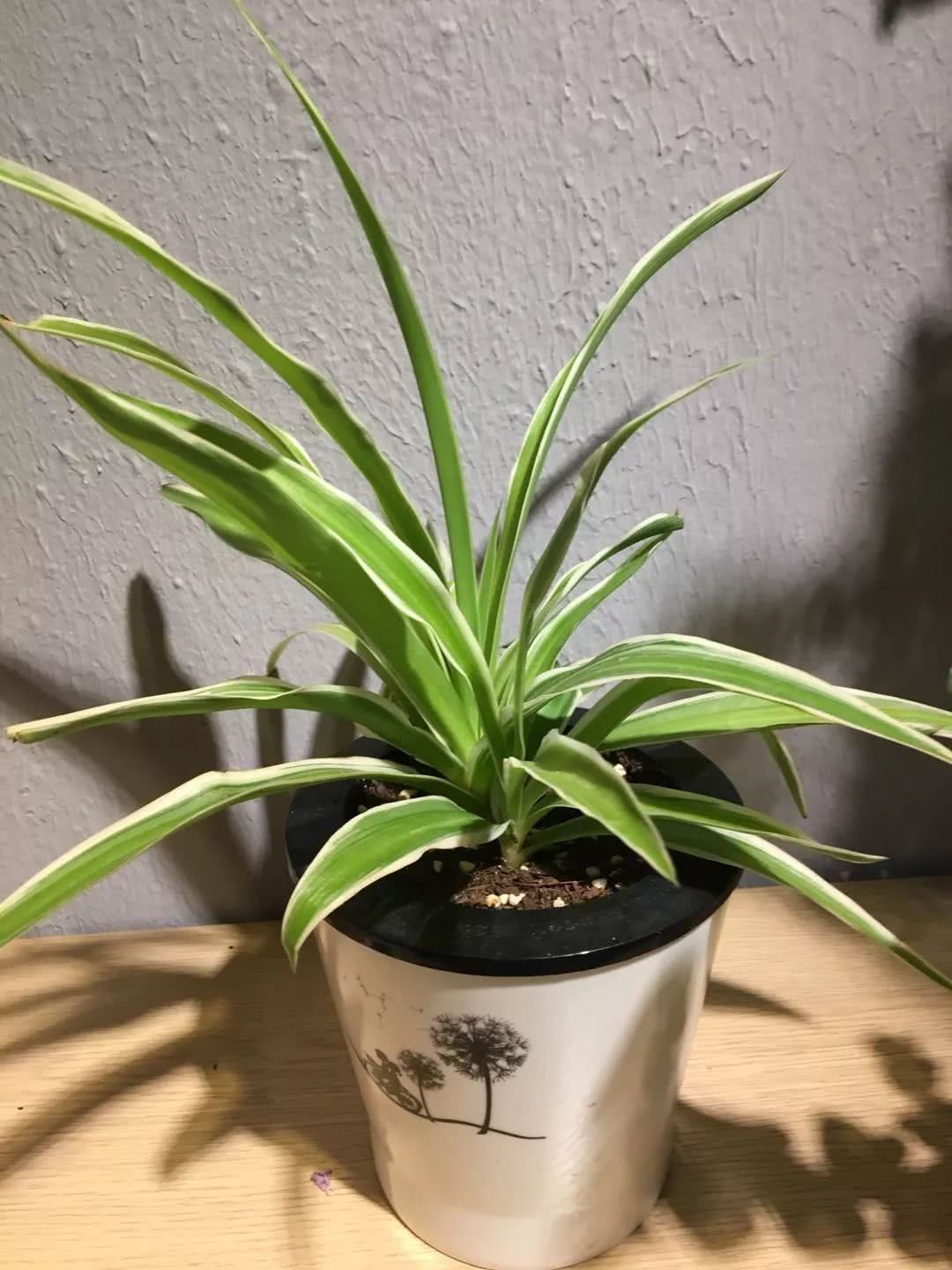
When a spider plant's newly grown leaves curl and the leaf tips turn black, it is usually caused by an unsuitable growing environment or improper watering, though it can also be a lack of nutrients. You need to improve things based on your own care conditions. Spider plants are especially easy plants to care for and easily become hanging baskets of greenery, constantly sending out creeping offshoots. Let's take a look below.
A potted spider plant can be kept in a spot with scattered light, with good ventilation and light transmission, and given proper sunlight every day, about 4~6 hours of light. It cannot be kept in a completely dark place, and of course it cannot be exposed to harsh sun, otherwise the leaves will easily dry out.
When growing a spider plant in a pot, you also need to maintain relatively high air humidity and water regularly to avoid the soil becoming overly dry. In spring and summer, keep the soil moist, but avoid waterlogging in the soil; if there is standing water in the saucer, pour it out promptly.
The soil for growing spider plants should be a loose, breathable, well-draining sandy soil. You can add some decomposed organic fertilizer to the pot, which helps the spider plant's root system grow and become more robust.
Spider plants grow relatively robust fleshy roots that store some water inside, giving them a certain drought tolerance. They greatly fear long-term waterlogging in the soil, so you must add an appropriate amount of river sand or perlite to the soil.
When caring for a potted spider plant, you also need to repot it regularly. If it has not been repotted for one or two years, the spider plant's roots will fill the entire container, which will affect the normal growth of its leaves and stems. You must avoid the potting soil becoming compacted; compacted soil not only affects root growth but also easily causes waterlogging in the pot.
If a spider plant grows too many offshoots, you can prune them appropriately. The cut offshoots can be propagated directly in water or by soil cuttings, and will easily grow into new potted plants.
While caring for a spider plant, you also need to regularly supplement fertilizer and water. During the spring and summer growing seasons, you can add a slow-release organic liquid fertilizer or another balanced fertilizer once every 1~2 weeks. Be careful not to use too high a concentration of fertilizer; keep to light, frequent feeding. After the weather turns cold in autumn, stop fertilizing.
In winter, you also need to move the spider plant indoors and protect it from freezing. It likes a warm, humid environment and fears the cold; the minimum care temperature should be kept above 5°C.
A spider plant moved indoors can be kept on a windowsill, avoiding leaves pressing directly against the glass, and you can regularly mist water around it to maintain a certain air humidity.