Use these common waste residues for growing flowers, and the leaves will be thick, plump and glossy green
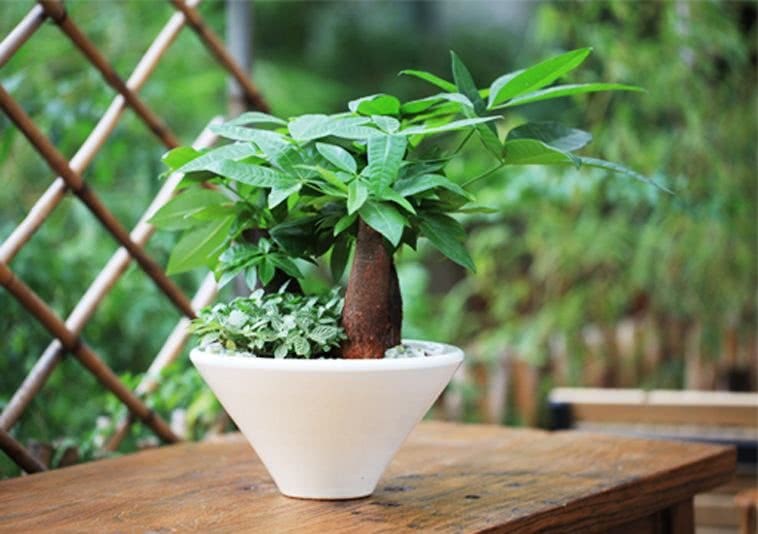
More and more people are growing flowers at home, and many flower lovers are trying every possible way to grow them, such as using leftover fruit peels, expired milk and so on to grow flowers. So today the editor will introduce several kinds of waste residues from daily life for growing flowers, guaranteed to make plants grow more and more vigorously, with leaves so green they shine with oil!
Oil residue
When pressing oil from rapeseed, some residue is always produced, which cannot be eaten if kept, so it is better to use it for growing flowers. However, before use it needs to be fermented, then the fermented oil residue is stirred evenly with soil and used directly to grow flowers, or the fermented oil residue can be placed directly at the bottom as a base layer for fertilizer-loving plants, because the oil residue is rich in nutrients, which can make plant leaves so plump they drip with oil, and no more fertilizing is needed for a whole year.
Okara (soybean residue)
When making soy milk in the morning, some okara is produced, and many people just throw it away, which is really a pity for flower growers, because after fermenting the okara and stirring it evenly with soil, it can be used directly to grow plants such as gardenias, or it can be used as a base layer, and the effect is also super good. However, during fermentation, some bad smell will be produced, so it can be taken outdoors to ferment.
Tea residue
Do not rush to throw away leftover tea residue; it can be used to grow flowers, but the tea residue must be dried very thoroughly, then the dried tea residue is mixed into the soil, which can effectively improve the soil's compactness and supplement the plants with sufficient nutrients. However, if the tea residue has not been treated, it cannot be used too much, because during fermentation it will consume the nitrogen in the soil and will also burn the plant roots.