How to fertilize roses? A few tips and buds will sprout like crazy
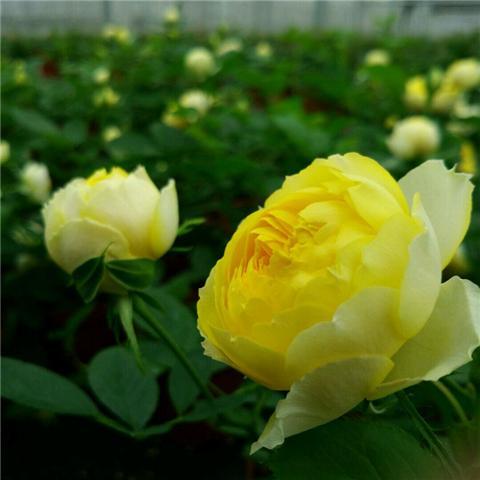
Roses are a favorite flower for many gardening enthusiasts, with a wide variety of cultivars, rich colors, and beautiful, vibrant blooms. If you want rose blooms that are large and vivid, fertilizing is key. When roses lack nutrients, the flowers are small and the colors dull. Let's take a look at how to fertilize roses.
What fertilizer should be used for roses?
When fertilizing roses, you need to observe the signs of nutrient deficiency and not fertilize blindly, otherwise the nutrients will be unbalanced and affect growth and blooming. You need to understand what each fertilizer does. Potassium fertilizer promotes branch growth and supports root development in roses; nitrogen fertilizer promotes leaf growth and makes leaves thick and full; and phosphorus fertilizer is for bud formation and makes flower colors more vivid.
Based on the situation, you can fertilize reasonably. If you notice thin, weak branches, you can appropriately apply potassium fertilizer, which promotes flower branch growth and improves flower quality and quantity; if leaves are wilted and lack luster, you need to appropriately apply nitrogen fertilizer; if you want flowers that are large and big, you need to appropriately apply phosphorus fertilizer to improve flower quality.
How to fertilize roses?
Generally, when planting or repotting, use loose humus-rich soil, add an appropriate amount of soybean cake or chicken and pigeon manure, etc. The nutrients are relatively balanced and allow roses to continuously absorb nitrogen, phosphorus, potassium, and other nutrients from the soil.
In summer, during rapid growth, apply a light fertilizer every 10 days during the blooming period. You can use soybean cake or poultry manure soaked in water, sealed and fully fermented, then diluted with water and poured onto the roses, making the plants bloom abundantly and grow lush foliage, which can break the summer dormancy of roses.
Signs of nutrient deficiency in roses:
Nitrogen deficiency: Roses with nitrogen deficiency show stunted growth, fewer branches, thin leaves that drop easily, and dull, lusterless leaf color. This can lead to weak root growth and incomplete nutrient absorption, directly affecting plant growth, let alone blooming. Even if they do bloom, the flowers are small and prone to early aging and dropping.
Potassium deficiency: When roses lack potassium, the plants also appear stunted and rather thin and weak, with poor resistance and susceptibility to pests and diseases. There will be spots on the tips and edges of leaves, leaves become wrinkled and yellow, and there is leaf scorch. In such conditions, the plants are prone to lodging.
Phosphorus deficiency: When roses lack phosphorus, growth is slow, there are few branches, leaves are small and dark green, and leaf petioles turn red-purple; stems also appear thin and small, and the root system grows poorly.