3 kinds of plants to make old-stump potted plants, trim a few cuts and add some material, and in 2 years they become small bonsai
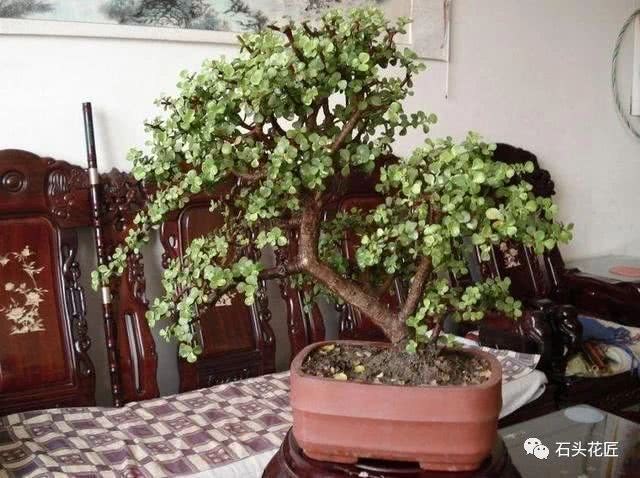
These 3 kinds of plants make "old-stump" potted plants, trim a few cuts, add some "material", and in 2 years they are small bonsai
More and more people like growing flowers, and many friends and family around me like to keep some flowers and plants at home, tending them when there is nothing else to do, which not only passes the time, but also cultivates the mind and purifies the spirit.
In the daily process of growing flowers, plants like spider plant, pothos, lucky bamboo, and money tree are all very common household potted plants, and many homes keep these flowers, but the 3 kinds of flowers shared with everyone today, as long as the growing method is proper, can not only grow into green potted plants, but can also grow into small old-stump bonsai. During care, as long as you trim and prune, do wiring, fertilize and water, the plant can quickly become woody and become a small old-stump bonsai.
1. Portulacaria afra (elephant bush)
Portulacaria afra is a very easy-to-grow household potted plant; as long as one branch is stuck in the soil, it can take root and grow leaves. When caring for Portulacaria afra in daily life, it can be grown as a small bonsai. Cut a relatively thick branch from the mother plant, then trim the leaves at the bottom, stick the branch into a mixed soil used for growing flowers, and it will take root in 1 week.
To make Portulacaria afra into a small bonsai, pruning and fertilizing are indispensable. Every spring, the branches of Portulacaria afra should be pruned once; according to the shape you want, cut off all the leggy branches and crooked branches, then use aluminum wire for wiring, so you can get the plant shape you want. Then during care, the plant must be fertilized continuously to promote the formation of an old stump. In spring, summer, and autumn each year, fertilize Portulacaria afra once every two weeks. After boiling soybeans at home and letting them cool, directly bury 4-5 soybeans at the edge of the Portulacaria afra pot, then cover them with soil, and this can provide nutrients for the plant. Quick-acting compound fertilizer and chicken manure can also be used.
2. Jade plant (Crassula ovata)
The jade plant is also a very common household flower, and because it is very easy to grow, many flower lovers can grow a jade plant potted plant from just one leaf or by pinching off one branch. When caring for the jade plant, pruning and fertilizing should be done.
Every spring and autumn, the jade plant can be pruned, cutting off all the leggy branches and old leaves, and then relatively thin aluminum wire can be used for gentle wiring. In spring and autumn, fertilize the pot; generally use organic fertilizer, and fermented soybean water or rice-washing water can be poured into the pot to provide nutrients for plant growth and speed up its woody formation. It is best to place the potted plant on a balcony with good light to receive sunlight.
3. Osmanthus tree (Osmanthus fragrans)
Growing an osmanthus tree not only lets you admire its upright plant form, but also its beautiful flowers; after the osmanthus blooms, its fragrance fills the nose. The osmanthus tree can also be made into a small potted plant through grafting.
In spring, generally use osmanthus branches from the previous year, and after pruning, graft them onto a rootstock close to osmanthus; generally use white ash (Fraxinus chinensis) or privet (Ligustrum) as the rootstock. Two weeks after grafting, the branches will begin to grow. In later care, the osmanthus branches can be pruned continuously to make it send out more side buds and at the same time speed up the plant's woody formation; then do appropriate wiring to make a small bonsai. During osmanthus care, it is best to place the potted plant on a balcony or outdoors, and fertilize it every spring and autumn; apply compound fertilizer in spring and phosphorus-potassium fertilizer in autumn, which can meet its nutritional needs.
These 3 common household plants, as long as they go through careful care, fertilizing, and pruning, can quickly become woody, and after correct later wiring, can become small potted plants. For flower lovers who are learning to make small bonsai at the beginning, they can use them to practice.
If you find it useful, please like, follow, and forward it to more friends below!
I am [Stone Gardener], and I share small flower-growing knowledge every day, remember to follow me.