Growing mini pumpkins in pots on the balcony is easy, the fruit is only palm-sized, and a plant can produce 100 fruits a year
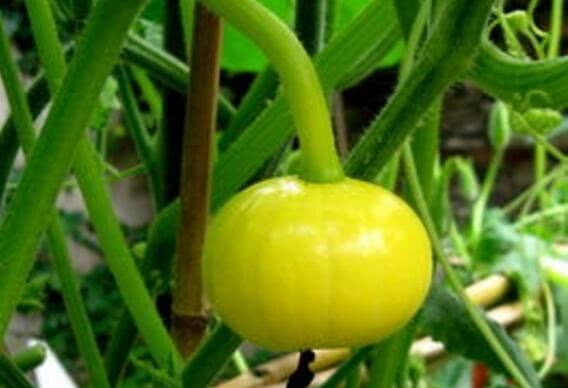
Gardening friends are surely no strangers to pumpkins. In fact, on a balcony you can not only grow flowers, but also plant pumpkins. This kind of pumpkin is very small, only palm-sized, and gardening friends grow it on their balconies, also as a climbing potted plant for the balcony, so it can shade the sunlight in summer, and when the pumpkins ripen there is something to eat. Let's take a look below!
Grow "mini pumpkins" in pots on the balcony, the fruit is only palm-sized, easy to grow, and a plant can produce 100 fruits a year!
The mini pumpkin is a miniature pumpkin for both ornamental and edible use. It sets fruit very easily, with 4~5 fruits per plant. The rind is pale yellow with orange-red mottling, and each fruit weighs 150~200 grams. It can be harvested 35~40 days after flowering (growth period 90 days), has good quality and stores well. For care, the mini pumpkin likes a growing environment with plenty of light, tolerates high temperatures and cold, is afraid of waterlogging, and suits all kinds of neutral, fertile, well-drained soil.
Gardening friends grow many of them on the balcony. The seed coat of miniature ornamental pumpkins is rather thick, so before sowing the seeds must be soaked to promote sprouting. The method is: wrap the seeds well in clean gauze and soak them in warm water at 30°C for 4~5 hours, then rub and rinse the seeds clean, take them out and sprout them. In early spring the temperature is low, so they need to be placed in a 30°C constant-temperature box to sprout; while sprouting, be careful to keep the gauze moist. After 48 hours, sow when the sprouts are about 0.5cm long.
If sowing in spring, cover the pot with plastic film, but be careful not to cover it too tightly, otherwise it will affect the seedlings' ventilation. During this period the balcony temperature is fairly high during the day, so the pot can be placed on the balcony, and at night the pot should be moved back indoors. If sowing in summer or autumn, there is no need to cover with plastic film, and the pot can be placed indoors in a shaded spot.
Potting up the mature pumpkin plant
Potting up and planting out ornamental pumpkins: the root system is well developed, so choose a flower pot with a diameter of more than 20cm to ensure sufficient nutrient area. When potting up, add a small amount of river sand to the bottom of the pot, then put in an appropriate amount of sesame paste residue as base fertilizer, then fill in part of the potting soil, plant the seedling, and afterward fill in the rest of the soil, press it firm, and water thoroughly once. During the growing period, as the seedling grows, repot appropriately; generally you need to change pots three times: small, medium and large. Before each repotting, let the potting soil dry out completely, then gently tap around the pot wall, and once it is loose, carefully knock it out. Before moving to a larger pot, do not disturb the original root ball, so as not to damage the roots.
What causes pumpkin leaves to turn yellow and dry up in pots
Overly wet watering easily causes pumpkin leaves to turn yellow. The main reason is that waterlogged, wet conditions cause root rot, producing the symptom of yellowing leaves. It is best to water less at ordinary times, and not too wet; water after the soil dries, and do not water if it is not dry, which benefits normal root growth. When watering has been too wet, use a loosening tool to properly loosen the potting soil, which can reduce the accumulated water in the pot and help it drain out, benefiting normal root growth and reducing the appearance of yellow leaves.
This is a gathering place for flower lovers, sharing flower and potted plant care tips. Welcome to follow and exchange ideas.