Growing flowers at home with homemade fruit peel fertilizer: cut into small pieces, sprinkle into the flower pot, and they bloom in 7 days
All plants need fertilizer for growth, flowering and fruiting, so it must be supplied continuously; applying liquid fertilizer about once every ten days is best. To prevent fertilizer burn, the fertilizer must be decomposed, and it is better to apply it diluted rather than concentrated. However, do not fertilize during full bloom, to prevent the flowers from dropping early. In September and October, before woody potted plants go dormant for winter, apply a slow-release complete organic solid fertilizer once, buried shallowly in the surface soil, to lay a good foundation for next year's growth. The following few things can be used to make homemade fertilizer for the flowering potted plants at home.
Growing flowers at home with homemade "fertilizer": cut the fruit peel into 1 small piece, sprinkle it in the flower pot, and they bloom in 7 days!
Homemade potting soil
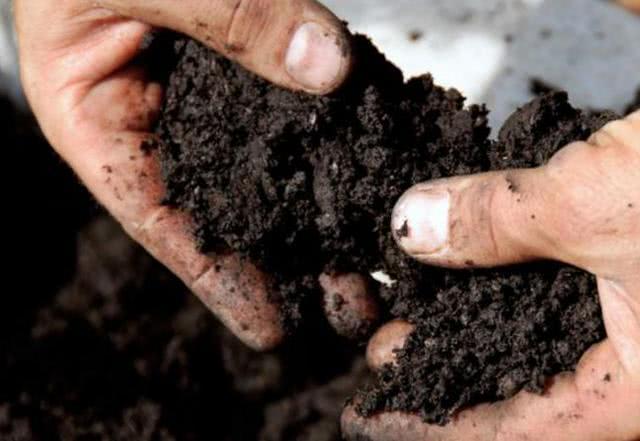
When making potting soil, first spread a layer of old soil in a vat, add various kitchen scraps, melon and fruit peels, etc. from the home on top, then spread another layer of old soil, press it down lightly, and pour some rice-washing water over it. Afterwards, whenever you have various scraps, spread them on top and add another layer of old soil. In this way, layer by layer, after decomposition, turn and mix it evenly, let it dry slowly, and it can be used as potting soil for future repotting.
Fruit peel for growing flowers
Many flower lovers like to use homemade flower fertilizer to grow flowers, but in fact there are also many kitchen scraps or fruit peels that can serve as very good raw materials for growing flowers. For example, citrus peels from the home can be used for composting; their peels contain nitrogen, phosphorus and potassium, all of which are good fertilizer sources. Adding them to compost can effectively increase the nutrients in the soil. Many flower lovers may not know that citrus compost can speed up the composting process, can also reduce the breeding of insects in the compost, and can remove unpleasant smells.
Cut the peel left after eating watermelon into 1 small piece, and it can be buried shallowly directly in the soil around the pot (without letting it touch the plant's roots directly). With normal watering, in 5 to 7 days it turns into fertilizer water that seeps into the soil and shows its fertilizing effect, with no bad smell and no insects. It is best used for growing foliage plants, and can be used continuously once every ten days; no fertilizer burn has been observed.
Fruit peel adjusts alkaline potting soil
Some flowers from the south are not easy to keep alive or bring into bloom when potted in the north, and this is because the potting soil is too alkaline. There are many ways to neutralize alkaline soil. This method is to soak the peeled apple skins and apple cores in cold water, and frequently water the flower pot with this water; it can gradually reduce the alkalinity of the potting soil, which helps the growth of certain plants.
The common Kalanchoe blossfeldiana (florist kalanchoe) comes in many flower colors. You can pick leaves from several varieties and insert them shallowly into the flower pot; the potting soil must be loose and breathable, and do not insert them deep, as they will not sprout easily. In about half a month, they will take root; in about a month, the roots will be very long; after a few months. And the roses at home can be propagated by the vermiculite cutting method. First choose rose branches; semi-lignified branches, or small shoots cut off during rose pruning, can all be used for cuttings. Use a flower pot or a mineral water bottle, drill a few holes in the bottom, fill it with vermiculite, and insert the rose branches into it.
This is a gathering place for flower lovers, sharing flower and potted plant care tips. Welcome to follow and exchange ideas.