Don't Throw Away Old Items: Growing Vegetables on the Balcony Is Convenient and Practical
As material and spiritual life continues to improve, more and more people are advocating scientific and eco-friendly growing, and the balcony is no longer just a domain for flowers. Instead, responding to people's daily needs, many vegetable varieties have been added to it. Growing vegetables on the balcony is both eco-friendly and healthy, and can also serve as a form of flower growing for self-cultivation. It really is a good thing that benefits both body and mind.
But a balcony is not like a vegetable plot where you can plant vegetables anywhere. The vegetables must be grown in containers, and they cannot be grown in flower pots the way flowers are. So which kind of container is best? In fact, there are many items in daily life that can be put to use, such as empty buckets, boxes, and even plastic bottles can all be used to grow vegetables.
The first method is growing vegetables in empty buckets. The empty buckets mentioned here are the ones bought at home for holding cooking oil. After they are used up, do not throw them away. With just a little modification, they will become a vegetable-growing wonder. Cut off the upper part of the bucket, poke a few small holes in the bottom of the oil bucket to help the soil breathe and drain, then fill it with some loose, fertile soil, and it is ready for growing vegetables. Whether garlic or scallion seedlings, they can all be grown in it. After a week or two, they will sprout rapidly. When eating them, do not pull them up by the roots, because these are all regenerative vegetables. Just cut a bunch with scissors, and afterward they can still keep producing several more rounds.
The second method is growing vegetables in foam boxes. Just choose the kind of foam box you get from receiving packages, because it is relatively light and sturdy, so it can be used for several years without a problem. This kind is easy and suitable for growing ginger. Just fill it with sandy soil, water it occasionally, and without much effort you can harvest a full box of ginger.
The third method is growing vegetables in plastic buckets. If you have useless plastic buckets at home, do not throw them away either. They are excellent for growing vegetables. Directly poke a few small air holes in the bottom of the bucket, then add some leaf mold soil. It is best to add some coal cinder to increase the gaps in the soil and prevent root rot. You can also add some organic fertilizer such as eggshells, and then you can grow lush green vegetables. When first planting, you can sow them a bit densely. When eating, harvest evenly from the middle. They grow while you eat, and you can eat several buckets of fresh green vegetables.
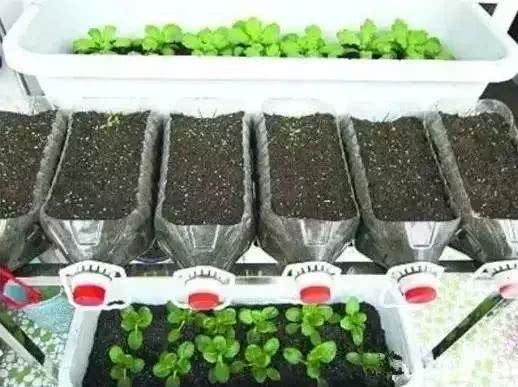
The fourth method is growing vegetables in beverage bottles. An ordinary plastic cola bottle will do. Keep it after drinking, wash it clean, then lay it horizontally, cut away the upper half of the middle section, punch a few small holes in the lower half, fill it with outdoor soil, sprinkle in some vegetable seeds, and then cover with a layer of soil. Place it on a ventilated balcony, and seedlings will soon grow. Green vegetables especially grow very quickly, and before long they are ready to eat.
The fifth method is growing vegetables in wooden boxes. A square wooden frame filled with soil can be used to grow vegetables. Chinese cabbage, lettuce, and eggplant can all be grown in it, enough for the family to eat. If there is extra, it can even be given to friends and neighbors. It is really too convenient.