The correct method of watering flowers by "dry-wet cycle" - are you doing it right?
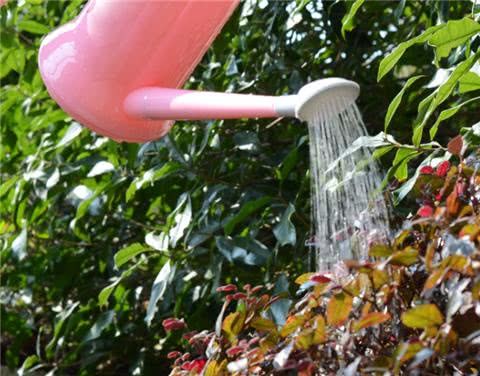
Watering is crucial in growing flowers; too much or too little both affect plant growth, and specifically it also depends on the flower's growth habits and growth stage. We often hear that watering flowers should follow the principle of "dry-wet cycle". What is the right way to water? Let's take a look together!
Dry-wet cycle:
If you water too frequently, plants will grow leggy and develop root rot; if you water too little, they easily suffer from lack of water, and water-deficient flowers tend to have yellowing leaves, which affects plant growth. So in this case you can use the dry-wet cycle watering method.
(1). The specific practice of the dry-wet cycle is to water thoroughly; wait until the potting soil has dried out completely and the soil surface turns pale, then water again. After the water in the surface and inner soil disappears, water a second time, just enough to moisten the soil. This can prevent excessive watering from causing waterlogging and root rot, and at the same time avoids pests and diseases caused by a damp environment. It is very suitable for flowers that like a humid environment, such as rhododendron, gardenia, Aglaia odorata and camellia; these can be watered according to the dry-wet cycle principle.
(2). By observing how dry the potting soil is, and also according to the condition of the flower itself, observe the state of the leaves. If you find the leaves are rather wilted or not green enough, it means there is a lack of water and the potting soil is quite dry; at this time you need to water thoroughly.
(3). When watering, also take into account the depth of the potting soil, and water thoroughly until water drains from the drainage holes. Flowers in shallow pots are easier to water thoroughly; for deep pots, pay attention to whether the soil at the bottom is watered through. If you only water halfway, it cannot meet the plant's needs and is equivalent to not watering at all. In this case you can insert a chopstick into the soil to check whether it is moist, ensuring thorough watering.
(4). Observe that the soil color has become lighter, and that a gap has appeared between the soil and the flower pot; when you tap the pot with your finger and it gives a crisp sound, it is time to water. Do not wait until the plant wilts before watering, as this easily harms the plant.
(5). When watering flowers, observe the potting soil and the plant itself, and also consider other situations. If the plant is large and the pot is small, water frequently; if the plant is small and the pot is large, water thoroughly each time and appropriately reduce watering; flowers that like humidity need more watering, while drought-tolerant ones can be watered less; flowers with lush branches and leaves evaporate quickly and need more watering.