Characteristics and drawbacks of common orchid potting media, understood in 3 minutes
A orchid-growing friend asked Haoshe Farmer on the platform: what substrates are there for growing orchids? What characteristics do they each have?
The substrate for growing orchids, also called orchid potting medium, can come in many kinds. Most follow three principles: loose and breathable, free-draining yet moisture-retentive, and long-lasting fertility. Haoshe Farmer commonly uses the following several kinds, all with good results, and would like to share them with orchid-growing friends.
Leaf mold
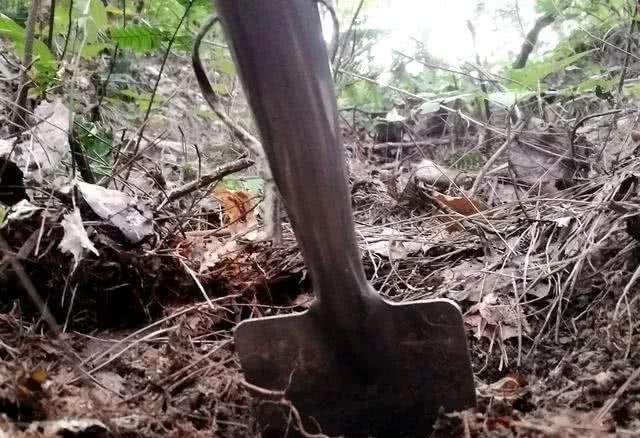
1. Leaf mold: under a broadleaf forest, choose the thickest humus layer, push aside the fallen leaves and scrape up that softest layer of leaf mold, taking care not to bring up the raw soil from the layer below; after sun-drying to kill insect eggs, it can be used to grow orchids.Characteristics: fertile. Drawback: used alone, it easily compacts.
Nut shells
2. Nut shells: hickory shells, peanut shells and the like all belong to this category, and generally all need a long period of composting. The hickory shells I use have been composted for one year, otherwise there is a risk of burning the roots.Characteristics: can loosen the soil. Drawback: long composting time.
Rotten bark from the mountains
3. Pine bark that has naturally fallen and lain in the mountains for many years: choose the kind you can pick up lightly with your hand, which smells of no pine fragrance and feels no sticky resin when touched. This kind of pine bark, after years of natural composting, can be picked up, sun-dried to kill insects, and then used.Characteristics: free-draining and moisture-retentive, containing the microbial community orchids like. Drawback: collecting it takes a fair amount of time.
Rotten tree stumps
4. Pine trunks that have naturally fallen and lain in the mountains for many years: this kind of trunk has already become powder, with the wood and soil often mixed together; when collected, basically no leaf mold needs to be added, and only a small amount of bark is needed to grow orchids. Moreover, due to the erosion by ants, this trunk powder is often acidic, especially suitable for orchid growth.Characteristics: convenient to use. Drawback: collecting it takes time.