The most fragrant flower in the world is this one, truly worthy of the title "Flower of Heaven"
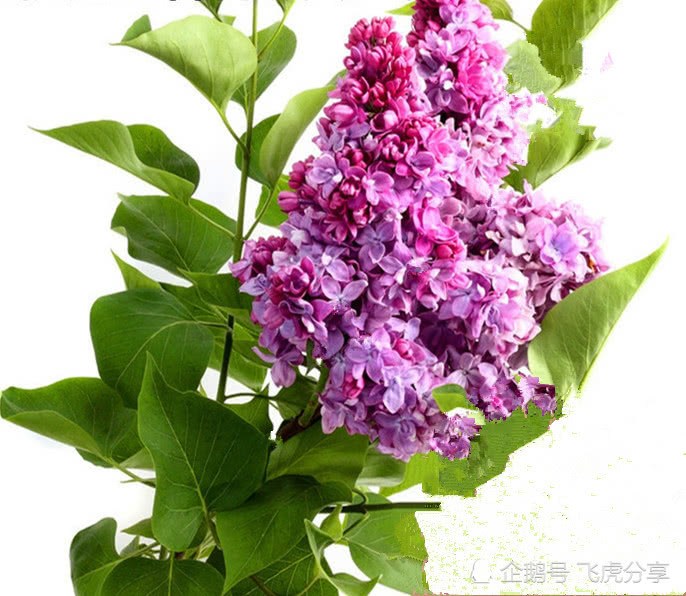
Fragrant flowers are countless, but those with truly pure, exceptionally strong fragrance that can be smelled from far away are rare. The flower introduced today can be said to be the most fragrant flower in the world; its rich scent can be detected from a great distance, and the fragrance is especially pleasant. Many flower lovers enjoy growing it. It is the lilac, known as the Flower of Heaven.
Lilac is a spring ornamental flower and shrub widely cultivated in gardens and courtyards in northern China. It blooms from late February to early June, with flowers and leaves appearing together, blossoms clustered at the tips of branches, and a delightful fragrance. Lilac is called the Flower of Heaven because of its noble fragrance and beautiful flowers, and it has been deeply loved by people since ancient times. Especially in the north, many families grow lilacs in their gardens. When walking into a courtyard, a rich fragrance can be smelled from far away, and that scent is different from other flowers, making people want to smell it again and again after one encounter. Therefore, it is called the most fragrant flower in the world.
Lilac is a famous garden flower and shrub. Its inflorescences are large and its blooms are abundant; the flower colors are elegant and fragrant. It is robust in habit and easy to cultivate, suitable for both pots and ground planting. Growing it is also very easy. Lilac likes full sunlight, has strong adaptability, is cold-tolerant and drought-tolerant, and is not demanding about soil. It rarely suffers from pests and diseases. However, it dislikes waterlogging, and generally does not need much watering during growth. Do not fertilize too much either, because lilac does not particularly like fertilizer; excessive fertilization will affect flowering.
Before lilac sprouts, it should be pruned: cut off some overly dense branches, thin and weak branches, and diseased or pest-infested branches. This helps ventilation and light penetration, reduces nutrient consumption, and promotes the sprouting of new branches and the formation of flower buds. After leaf fall, prune once more, both to make the plant more attractive and to benefit growth and flowering the following year.