Potted Aglaia odorata winter care methods: prepare in early autumn, or a whole year of growing is wasted
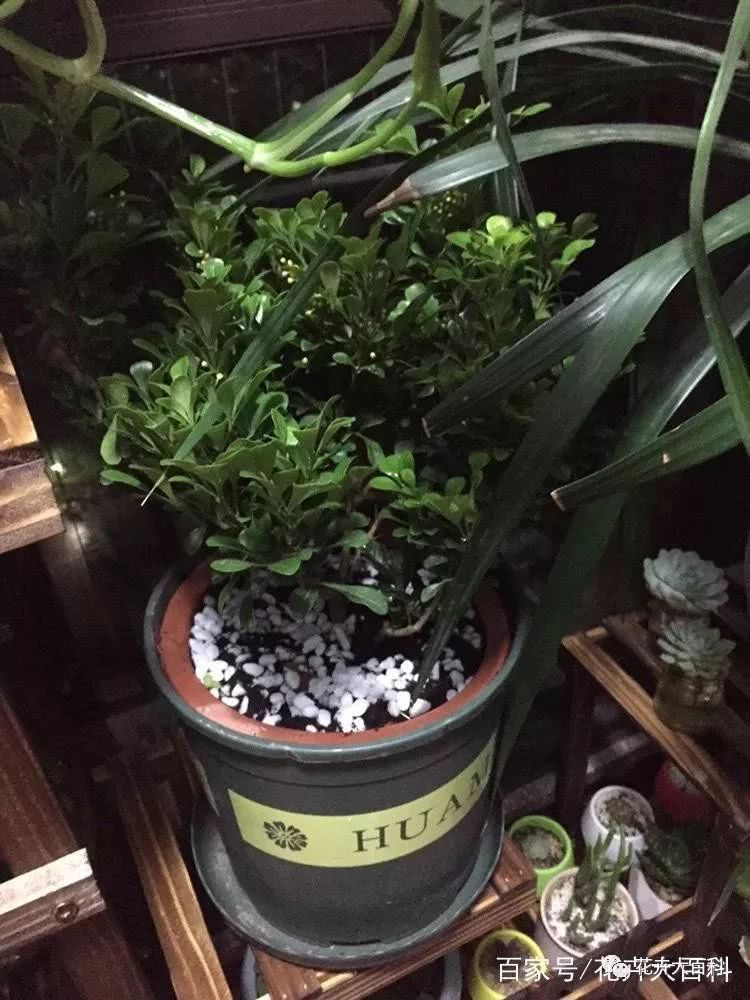
As winter approaches, in order to improve the cold resistance of Aglaia odorata in winter, fertilizing should be stopped promptly after autumn begins, watering should be strictly controlled, and the potting soil should be kept on the dry side. To prevent the leaves of Aglaia odorata from drying out due to lack of water, spray the leaves with water once every two weeks. When the outdoor temperature drops below zero, promptly move potted Aglaia odorata indoors to a sunny spot for care. The best overwintering temperature is an indoor temperature no lower than 10-13°C. Below, let us look together at the detailed winter care methods for Aglaia odorata.
Potted Aglaia odorata
Winter care methods for Aglaia odorata
1. Improve cold resistance
Aglaia odorata itself has poor cold resistance. To ensure it safely gets through winter, preparations for overwintering should be made in advance after autumn begins. Stop fertilizing promptly, especially nitrogen fertilizer. Of course, a moderate amount of phosphorus and potassium fertilizer can also be applied. At the same time, strictly control the amount of watering, keep the soil on the dry side, and promote more luxuriant and sturdy growth of branches and leaves.
Prepare after autumn begins, or a year of growing is wasted
2. Temperature control when winter begins
In northern growing areas, when the temperature drops below zero°C, the growth rhythm of Aglaia odorata is disrupted, and the leaves will suffer frost damage. Promptly move potted Aglaia odorata indoors for care. Place the flowerpot in a sunny spot for care. Throughout winter, temperature fluctuations should not be too large, so as not to affect the plant's dormancy. For indoor care, the overwintering temperature is generally best controlled at 10-13°C. If the indoor temperature exceeds 15°C, Aglaia odorata will sprout new shoots and consume its own nutrients.
Aglaia odorata
3. Winter care watering methods
In winter, Aglaia odorata is in a dormant or semi-dormant state. The potting soil must not be too wet or too dry. Do not wait until the potting soil is completely dry before watering, and do not water thoroughly. The moisture in the potting soil should be kept balanced. In addition, to prevent the leaves of indoor-grown Aglaia odorata from becoming covered with dust, which hinders photosynthesis and causes the plant's leaves to turn yellow and fall off, spray the leaves about once every 7-10 days with water close to the indoor temperature, or wipe the leaves clean with a damp towel.
Aglaia odorata
4. Points to note when moving outdoors
For Aglaia odorata, its winter is very long, and the cold wave in early spring of the following year is also like the depths of winter for Aglaia odorata. Therefore, when the outdoor temperature in spring has not yet stabilized, do not rush to move the flowerpot outdoors for growing. Before moving it outdoors, you can open the windows around noon each day for ventilation. Let the plant gradually adapt to the outdoor environment bit by bit in advance, and after a few days move it outdoors for growing (when moving it out of indoor care, be especially careful to proceed gradually).
Aglaia odorata
Aglaia odorata