8 Bulb Flowers to Plant in Pots in Autumn for Gorgeous Blooms in Winter and Spring
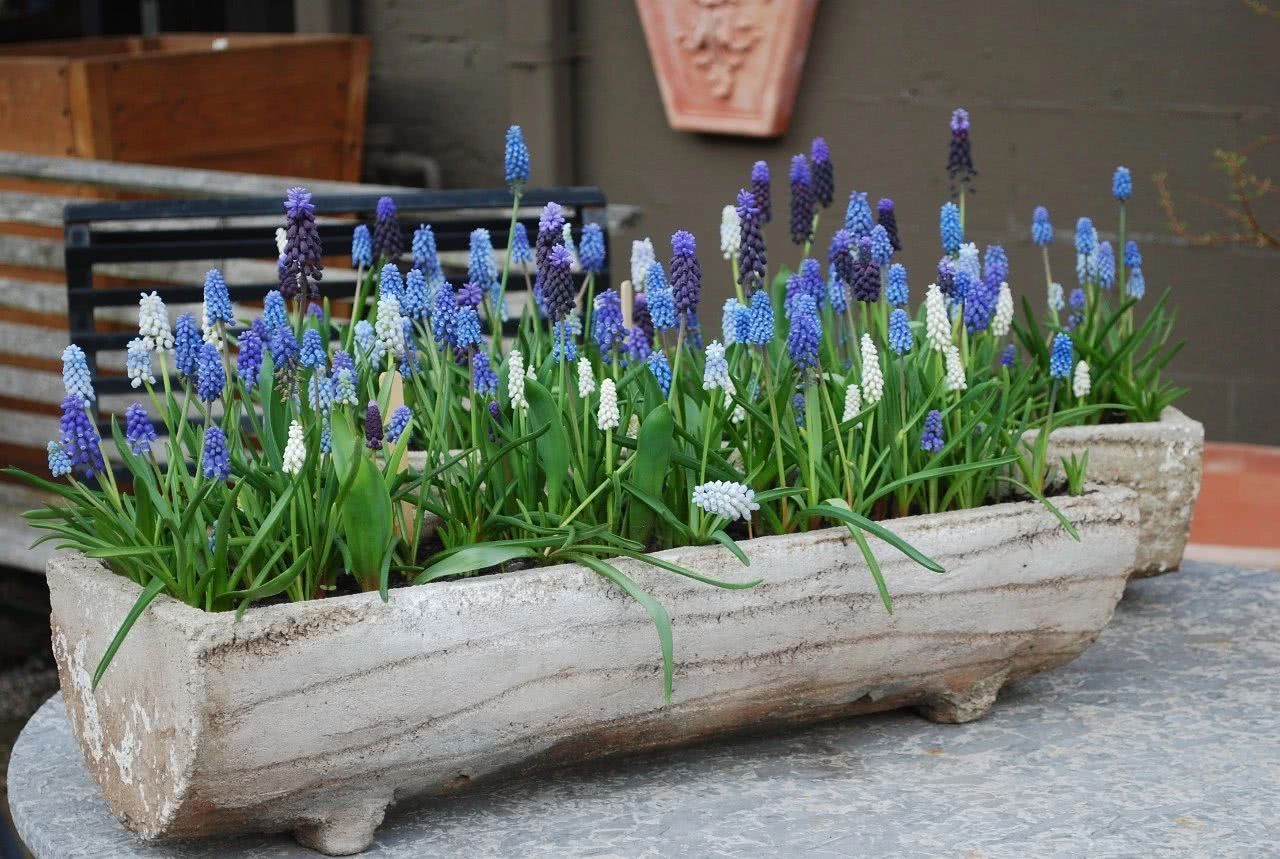
Many bulb flowers are well suited to autumn planting, and they are best planted when the weather turns slightly cooler, so that they can produce gorgeous, captivating blooms in winter and spring. Many of them are perfect for growing in pots.
Some bulb flowers are very cold-hardy, able to survive even in cold winters, and they can even bloom in the snow in March and April, becoming a charming plant feature of winter.
1. Iris reticulata
This iris is a very short plant, suitable for planting in autumn. Once it blooms, spring is on its way. It can produce flowers even in snow and ice, and it is extremely cold-hardy. It usually blooms in mid-March and can survive in a snow-covered environment.
When planting Iris reticulata, the tubers do not need to be buried too deep. It needs a dry, cool environment, and the growing soil must have good drainage.
2. Snowdrop
The snowdrop, also known as the snowbell, is a small flower that blooms especially beautifully in early spring. You can see its flowers in the snow, and it usually blooms in late winter.
The snowdrop's flowers look very delicate, with small white bell-shaped blooms. If you see snowdrops blooming, it is proof that spring is coming. It is very easy to care for and does not need frequent attention. Water it thoroughly once the potting soil has dried out. It likes loose, well-drained sandy soil.
3. Crocus
The crocus, also known as saffron crocus, is another plant that blooms in early spring. Its flower colors include the common purple, blue, pink, orange, yellow and white, among others. It has a rich range of colors and a very fresh, clean flower shape.
To grow crocus, prepare loose, airy, well-drained humus soil. Keep the growing environment cool and avoid excessively high temperatures, and the soil must have good drainage.
4. Snowflake
The snowflake is a very delicate bell-shaped flower. The blooms look like small white bells and appear especially fresh and lovely. It is also a plant that blooms in spring, and its flowers carry a captivating fragrance.
The snowflake does not need frequent care and still grows well. It is extremely cold-hardy. Grow it in loose, well-drained soil and avoid waterlogging. After temperatures rise in summer, the leaves turn yellow and the plant begins dormancy. At this point you can cut off the leaves, and it will resume growth after the weather turns cool in autumn.
5. Daffodil
There are many varieties of daffodil. It is also a plant that blooms in early spring, bringing charming color to your yard. They can be planted directly under the shade of trees, keeping the soil well drained. Choose loose, airy, well-drained leaf mold soil for planting.
In summer, the daffodil's flowers and leaves enter a dormant state. Do not rush to cut off the leaves. Wait until the daffodil's leaves turn yellow, then cut them off.
6. Siberian squill
This is a very gorgeous blue-flowering plant, very suitable for planting in the yard and also suitable for growing as a potted plant. It is well suited to planting under the shade of trees and has excellent ornamental value. It likes loose, airy, well-drained soil and should be protected from waterlogging. It goes dormant when temperatures are high in summer.
7. Hyacinth
The hyacinth's flowers have an intense fragrance. It is a bulb flower popular all over the world, producing captivating blooms in early spring. It generally blooms at the same time as daffodils, and it produces a very large number of flowers, attracting bees and butterflies when in bloom.
Growing hyacinths is also very simple. After the flowers fade, do not rush to cut off the leaves. Only prune them after the leaves turn yellow, to ensure captivating blooms the following year.
8. Grape hyacinth
The grape hyacinth and the hyacinth are not the same plant; they belong to different types. The grape hyacinth's flowers have an intense fragrance. It is a miniature bulb flower that blooms in early spring. Although its flowers are very small, it produces an enormous number of them, and its leaves look like grass. After the flowers fade, the leaves can continue to grow.
Grape hyacinths multiply very quickly, so if you plant them in the yard you must be especially careful and prevent them from spreading too much. You can grow them in pots, planting the bulbs about 3 cm below the soil surface, in a sunny position, with loose, well-drained soil.