What to do about yellow leaves and root rot in flowers? Do this one step and they'll grow faster than anyone else's
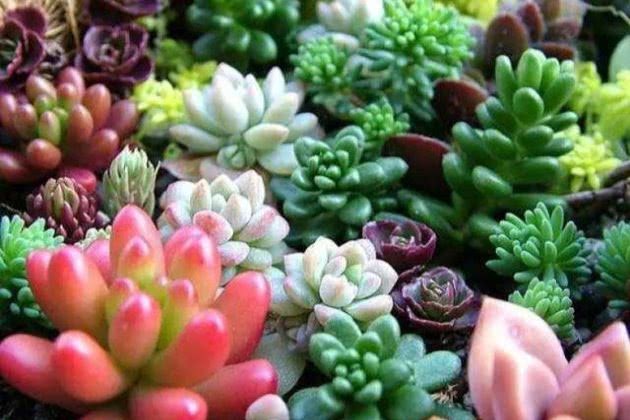
Growing flowers is a favorite pastime of many netizens, but for many novice flower growers, successfully growing a pot of flowers is actually really difficult, because from the very start of growing and buying flowers we have to face many uncertain factors.
So what are the things we need to pay special attention to when growing flowers? We have to start from the planting of the flowers, and the most important part of that is the choice of soil. Soil is the foundation for the growth of flowers and plants. If the soil does not meet the growth needs of the plant, then problems of improper care will arise one after another because of unsuitable soil. So if we choose the right soil at that moment of selection, it will be of great benefit to the later care of the flowers and plants.
Since soil is so important, which soils should we choose first for growing flowers and green plants? Actually, for different flowers and green plants, the choice of soil also differs. For example, soil can be acidic, neutral or alkaline. Some flowers like acidic soil, some flowers like neutral soil, and some flowers can only grow in alkaline soil.
We often find that the flowers grown by some flower growers never have problems with root rot or yellow leaves, and the important secret lies in the soil. It is no exaggeration to say that if a flower gets the right soil, its growth rate can also increase greatly. If we must make a speed comparison, it could be ten times, or even higher!
So when we grow plants and flowers, we must first understand what type of soil these plants like. Choosing the right soil type is the first step toward good growth, and the effect is almost twice the result with half the effort! For example, camellias prefer acidic soil, and gardenias are the same. If you choose wrong, then it is simply a great pity.
Besides the acidity or alkalinity of the soil, the fertility level and drainage performance of the soil are also important factors that determine whether they have a positive effect on plant growth. It can be said with great certainty that almost all soil-grown plants like this kind of soil, while some soils that are heavily clayey, poorly draining, poorly aerated or overly barren are extremely unfavorable to plant growth.
So what kind of soil is fertile, loose and well-draining? Actually, to judge whether it has these conditions, we can also reach a conclusion by observing the soil.
Soil rich in organic matter is very good for plant growth. Whether organic matter is abundant is a matter of how high or low the content of nutrients such as nitrogen, phosphorus and potassium is. Generally, soil in forests where fallen leaves accumulate in large amounts is also relatively rich in organic matter, especially those black soils. Next, soil in places where animals often move around is also relatively rich in organic matter, because the content of animal droppings in it is also relatively high.
In other words, the leaf mold soil and garden soil we commonly see are both very good soils with rich organic matter and fertility.
Loose soil is crucial to the growth of plant roots. Any soil that is not breathable will hinder plant growth, because plant roots not only need to drain and absorb water, they also need to breathe. A sealed space has very limited oxygen, making growth extremely difficult for plants.
So what kind of soil has these characteristics of being loose and breathable? For example, sandy loam soil is very good, with countless drainage channels and the air pores needed for plant growth.
So a wise flower grower can always find soils that balance various growing conditions. For example, if a plant has very high requirements for drainage, aeration and fertility, then we can use one part leaf mold soil plus one part sandy loam soil, or add some things like bark or clay pebbles when mixing, to achieve soil that meets the growth needs of that plant.
So what signs does alkaline soil show to help us make a judgment? For example, it easily hardens and easily cracks, easily accumulates water when watered thoroughly, and the soil is relatively clayey. These are all inherent characteristics of alkaline soil.
Of course, when we use soil we generally need to go through a long process of summing up experience. In fact, the soil others use for growing flowers may look plain and ordinary to us, but the skill involved cannot be mastered overnight. We novice flower growers must be good at summing up experience so we can progress faster!
The above is what Hua'er Gu introduces to you about some tips for choosing soil for flowers and green plants as well as methods for judging it. I wonder whether you have ever looked for your own growing soil when growing flowers normally? How do we go about finding these suitable soils? You are welcome to leave a comment and share!