Flowers won't bloom? Check these aspects to find the cause
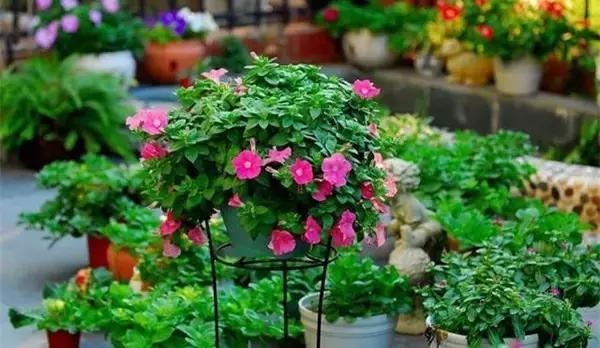
Generally speaking, flowers all have their corresponding blooming seasons. As long as the care environment is suitable, flowers will bloom within their blooming season. But it is undeniable that many people do have some flowers at home that, even when the blooming season arrives, absolutely will not bloom. This situation indicates that something must have gone wrong in some aspect.
If flower lovers do have similar problems at home, then I suggest you troubleshoot from the following aspects to see exactly which one has gone wrong.
1. Soil too alkaline
We all know that most flowers prefer slightly acidic or neutral soil. In such soil, flowers will grow better and bloom profusely.
If the soil in the pot at home is too alkaline, it is indeed unfavorable for the growth of flowers. It will affect the normal bud formation of flowers, causing them not to bloom or to produce overly small flowers. Moreover, even for flowers that are relatively tolerant of saline-alkaline conditions, when the soil pH of the living environment exceeds 7.5, it will also affect the normal blooming of the flowers.
2. Improper lighting
Different flower varieties have different preferences for light. During the growth period of flowers, only when the plant's light requirements are met can bud formation be promoted, and only then can the flowers bloom normally.
Therefore, if the flowers at home have not bloomed for a long time and show no signs of bud formation at all, it likely means that they have not been given suitable light. Although many flowers are light-loving, that does not mean sufficient light can promote bud formation and blooming in any flower.
3. Too hot in winter
If indoor flowers are kept in overly high indoor temperatures during winter, it will affect the normal dormancy of the flowers. This may break the dormancy period of the flowers, causing them to sprout ahead of time and consume the nutrients in the plant that were originally meant for bud formation. Under such circumstances, the flowers are very likely not to bloom or to produce weak, small flowers.
4. Malnutrition
During the growth period of flowers, providing sufficient nutrient supply can promote flower growth and also speed up the plant's bud formation, making it bloom in a full burst.
If during the growth period of flowers, sufficient nutrients, namely water and fertilizer, are not provided in time, it is very likely to affect the normal flower bud differentiation of the flowers, causing them not to bloom or to bloom very little.
5. Excessive pruning
Although during the growth period, proper pruning of flowers can promote flower bud differentiation, making flowers bloom earlier and produce more and larger flowers, attention must still be paid to the intensity and method when pruning.
If flowers are pruned excessively, it will not only affect the ornamental appearance of the flowers, but also cause the flowers to consume a large amount of unnecessary nutrients, thereby affecting the normal bud formation and blooming of the flowers.
6. Disease and pest invasion
When flowers are in their growth period, invasion by diseases and pests must be avoided. Once flowers are infected by diseases and pests, it will not only affect the accumulation of nutrients within the flowers, but also cause the flower buds that have already formed to be eaten by pests, and of course the flowers will not bloom.