Why does hydroponic lucky bamboo work better than soil culture? The benefits are right here
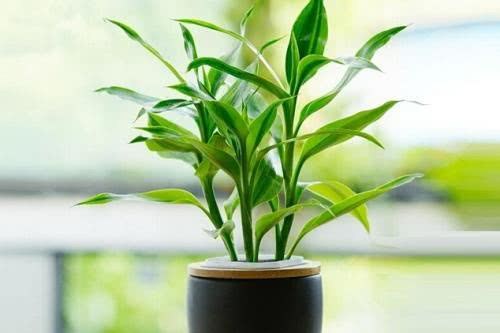
Most lucky bamboo grown at home is cultivated hydroponically. Although hydroponics is more convenient and has many advantages, if you forget to change the water, it will attract mosquitoes, and if you are prone to mosquito bites, that can be quite unbearable. So some gardening enthusiasts want to try soil culture methods. In fact, soil-cultured lucky bamboo grows much faster and much stronger than hydroponic lucky bamboo. Gardeners who have grown it know that soil culture is actually not that troublesome.
A big advantage of soil-cultured lucky bamboo is that once it has settled into the pot, its growth will be very good. Whether it is the height of the plant or the growth of new branches and leaves, it is no problem at all, while hydroponically grown bamboo does not grow new leaves as quickly.
Alright, back to the main topic. Let's talk about just how simple the soil culture method really is. First, you can take the plant out of the water. Whether or not it has rooted, you can directly plant it into the soil as a cutting, then water it thoroughly. If you want the plant to grow faster, the stems put into the soil are best with roots, so for stems that have not rooted, you need to do a little treatment first.
Rooting powder or rooting liquid can be bought at flower markets, flower shops, online and other places. Pour a little rooting liquid into the water where the hydroponic stems are, and after the stems grow new roots, take them out of the pot and put them into soil; for rooting powder, just sprinkle it on after taking them out of the water. After being potted, the plant should be placed in a cool, ventilated place. For daily care and maintenance, just do everything as usual, and keep the soil moist at all times. If the weather is relatively dry, remember to spray more water around the plant to raise the air humidity.
Lucky bamboo has no particular requirements for the growing medium. Although its adaptability is not bad, you still should not use overly poor-quality soil to grow it. At the very least, there should be some guarantee of fertility. Although clay and sandy soil will not have much effect on it, in order to get more vigorous lucky bamboo, it is still recommended not to use them. If the base fertilizer in the medium is not guaranteed, it will be very difficult for the plant to take root and grow, so we use garden soil as the base soil and then add decomposed material, plant ash and so on to improve the soil.
Lucky bamboo grows very quickly in soil, and the leaves are also very glossy, but that does not mean it will never have any problems. Sometimes you will find that the leaves at the bottom of the branches and leaves drop somewhat, while the leaves at the top are still very lush. In fact, this is not a big problem. For old branches, this is a normal phenomenon. If you want to improve this sign, you can cut off the top of the old branches and then use the cutting method to fill in the bare gaps below.
Gardening enthusiasts do not need to worry that cutting the top will affect the growth of the bamboo. On the contrary, it can promote the sprouting of new buds.