The rice field eel breathes through its intestines, is covered in slime that makes it hard to grab, and is hailed as "ginseng of the water" at 30 yuan per jin.
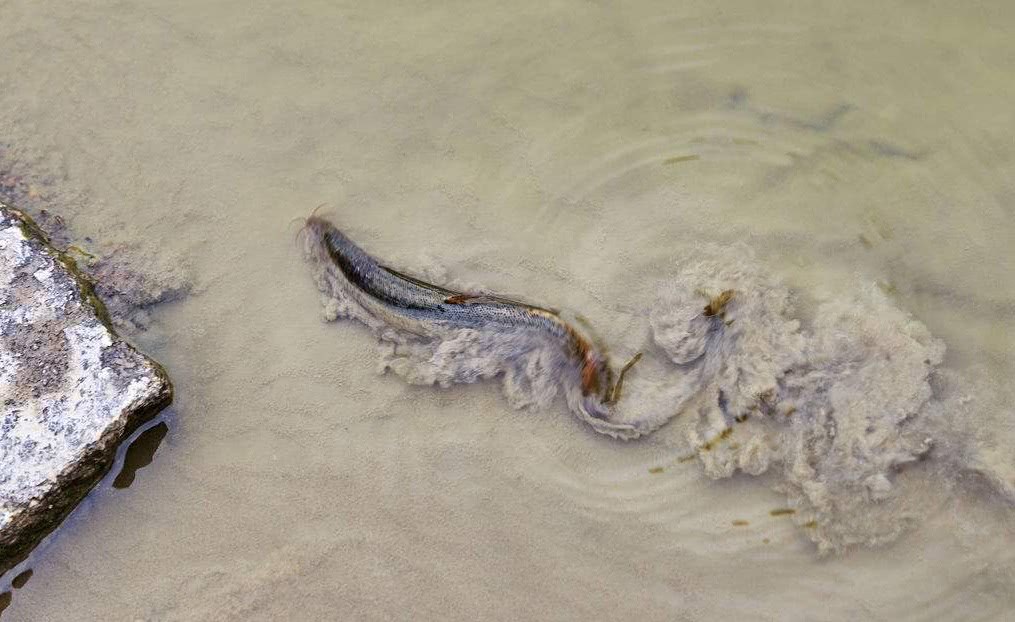
In this season right now, the north is already close to entering winter, yet in the south it is still bright and sunny. This is probably the regional difference in our country. Of course, there are differences between the north and south in many other ways too, but with the convenience of transportation nowadays, those differences are getting smaller and smaller. Still, there are some things unique to the south; because of climate limits, the north rarely farms them and basically sells ones shipped from the south. Today let's talk about a wild delicacy known as "ginseng of the water," which southerners love to eat.
It is the loach, its whole body slick and coated in a layer of slime. If you try to grab it with your hands, it is very hard to catch, and it slips out of your hand in no time. Loaches like to live in mud pits and muddy ponds, which is probably why they are called "mud loaches." There is an interesting piece of trivia about the loach: when it burrows into the mud to hibernate, it breathes through the walls of its intestines. Isn't that especially odd? The loach's hibernation period in the south is not very long, and in spring it will burrow out of the mud to breathe freely. Although the loach is highly adaptable, it has fairly high requirements for water temperature; it cannot be too hot or too cold. Above 25 degrees and below 28 degrees is more suitable, so the north is not suited to raising it year-round.
This season right now is exactly the harvest season in the south, and loaches have also reached maturity. Southerners not only love to eat loach, they also know how to cook it. In southerners' hands, a loach quickly turns into a dish and is brought to the table, and in the end it is sure to be eaten up. The author thinks the most delicious ways to make it are dry-fried loach and loach stewed with tofu. Loach also has certain health benefits, such as tonifying the kidney and boosting qi, stopping diarrhea and removing dampness. Loach not only tastes fresh and tender; people with weak constitutions can also eat more loach, and it has nourishing benefits for the body. One thing to note is that this season happens to also be when crabs hit the market in large numbers, and both are on the cold side, so it is best not to eat them at the same time.
It is just a pity that loach can currently only grow in the south, and the northern environment is not suitable for its growth. Many northerners say they have never eaten loach; what they usually eat more of is fish. For people who love eating loach, now is the season when loach is on the market. Fat, plump large loach can sell for 30 yuan per jin, and using it to make soup at this time is at its freshest. I hope loach farming can soon be achieved in the north as well, so that northerners can enjoy this treat too. This "ginseng of the water" farmed in lotus root fields, do you like to eat it?