This American wild grass that closely resembles ginseng has invaded China and is used as a ginseng substitute
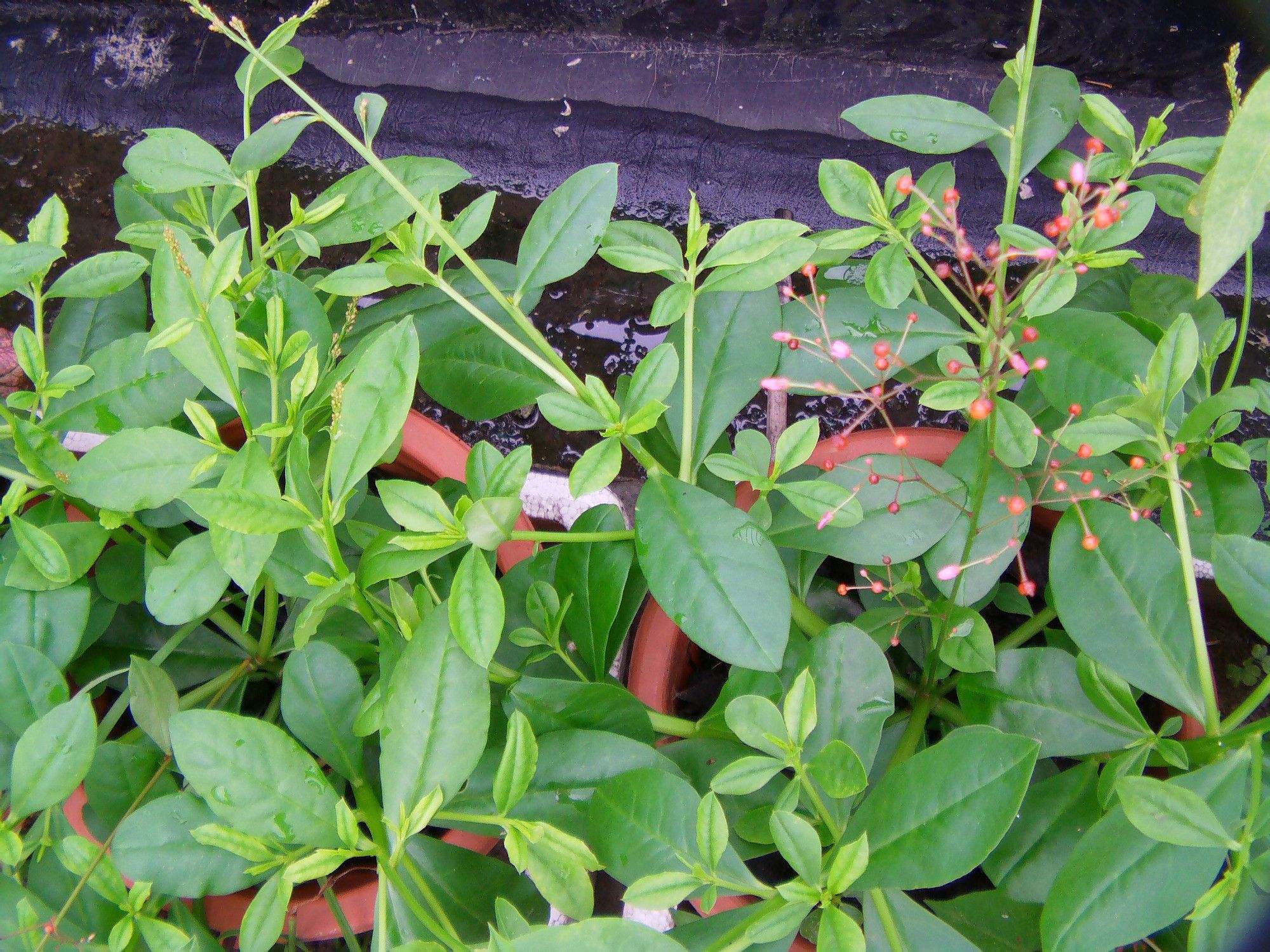
For those who grew up in the countryside, nature's gifts are truly abundant. Many fruit trees and plants that grow naturally on the mountains are not only beautiful but also bear fruit that can be picked and eaten. These naturally growing plants really bring farmers a lot of convenience. Today I want to introduce a wild grass from the Americas. Its roots grow very thick and sturdy. After invading China, precisely because its roots closely resemble ginseng, it became a substitute for ginseng in China, commonly known as "earth ginseng," and many people like to eat it.
It is Talinum paniculatum (talinum). Talinum paniculatum grows tenaciously on the mountains like a weed, and farmers who often go up the mountains can always see it frequently. Especially in the flowering season, it really adds a lot of beauty to the mountains. Precisely because Talinum paniculatum has high ornamental value, many people now dig it up and take it home to plant, so that it can both absorb harmful gases and add a touch of green to the home. For farmers, bringing home a couple of Talinum paniculatum plants is simply too convenient; whenever they have time to grab a shovel and take a walk on the mountain, they can bring back a few plants. Moreover, Talinum paniculatum has very strong vitality, and normally it does not need too much careful attention for it to grow very tall.
Anyone who has seen the roots of Talinum paniculatum knows that its roots look very much like ginseng, similar in both shape and color, so in the south, Talinum paniculatum is often called "earth ginseng." Not only does Talinum paniculatum have high ornamental value because of its beautiful appearance, it is actually also edible, and what is often eaten is actually its leaves. The tender leaves of Talinum paniculatum can be used for stir-frying, and they taste just like other leafy greens, without the slightest bitterness. Not only that, the tender leaves of Talinum paniculatum also have certain medicinal value. For women who have just given birth, eating more tender leaves of Talinum paniculatum also has a certain effect of promoting milk production. The tender leaves of Talinum paniculatum can not only promote milk production, but also have a certain auxiliary therapeutic effect on anemia, gynecological diseases, and more.
I really never expected that this wild grass growing in the mountains would actually have such value. The name "earth ginseng" for Talinum paniculatum is not for nothing. Although it does not have as strong a tonic effect as ginseng, many farmer friends dig up its roots to use as a substitute for ginseng in making soup and brewing tea, treating it as a tonic food. I am afraid Americans would never have thought that Talinum paniculatum would have this kind of effect! But even if they knew that the roots of Talinum paniculatum had this ginseng-like effect, they probably would not cook with it, which is truly a pity.