How do you care for potted succulents? Master these methods and they will keep on living
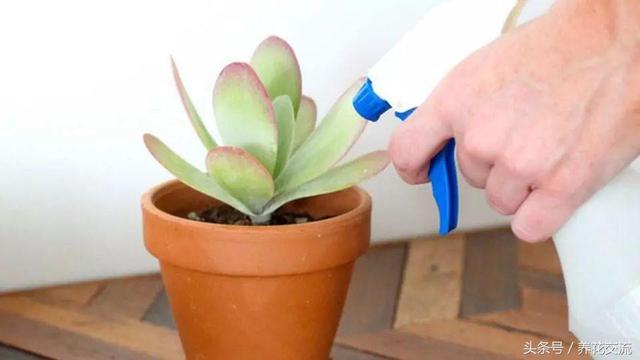
Many friends have realized that although succulents look lovely, keeping them alive for several years is difficult, especially in summer, when succulents rot easily, whether from black rot or leaf spot disease, and they are also especially prone to pests, with scale insects being common in late summer. So how should you care for them to keep them growing well for many years?
To grow succulents, the first thing you need is suitable soil, and this is the most basic skill.
Do not just dig up some garden soil from outside to grow them in. That kind of soil compacts very easily and has poor drainage, which is very bad for the growth of succulents. You need to prepare some especially airy, loose, sandy soil.
The most important thing about soil for growing succulents is maintaining good drainage. During the growth of succulents, the soil should be allowed to dry out fully so that oxygen can reach the roots. Only then will the root system of the plant grow vigorously, which helps prevent root rot.
For the soil used to grow succulents, you can choose peat soil mixed with perlite in a 3:2 ratio. You can appropriately add some akadama or other granular soil to the mix, but do not add any soil with water-retaining ability.
When growing succulents, you can often pull off some of the lower leaves, and in spring and autumn you can propagate them by leaf cuttings. The leaves can simply be laid on the surface of the soil, and they will take root and sprout without watering.
Lay the leaves flat on the surface of the soil and place them in a ventilated spot with bright light. They will take root and sprout in about two to three weeks. Do not rush to transplant succulents propagated by leaf cuttings; you can wait until the seedlings grow to one cm tall, then transplant them into new soil.
When caring for succulents propagated by leaf cuttings, you must be very patient, because they grow very slowly. The seedlings that are produced will continuously absorb nutrients from the leaf until the leaf gradually turns yellow and completely withers.
Succulents are very sensitive to water. During care, you must avoid the soil being constantly moist. You can wait until the potting soil is completely dry before watering again.
Especially when it is hot in summer and cold in winter, if the soil holds too much water, succulents rot easily or become infected with other fungal diseases.
When watering, do not pour water directly onto the leaves. Water left on the leaves can easily cause the leaves to rot.
The environment for caring for succulents must stay ventilated and let light through, and avoid keeping them in a sealed space. They need at least 4 to 8 hours of direct light every day.
When caring for succulents in summer, pay attention to providing appropriate shade. You can pull up a shade net, or move them to a semi-shaded spot. Summer temperatures are too high, and if you do not do a good job of shading, succulents will have a hard time getting through summer. You should also pay attention to appropriately controlling water.
In winter, pay attention to protecting them from the cold. Keep the minimum care temperature above five degrees. You can move the succulents indoors to care for them, placing them by a windowsill with appropriate light each day, but succulents should not be placed directly against the window glass.