Water Christmas cactus this way and it will live long; its leaves will plump into balls and it will bloom 100 flowers
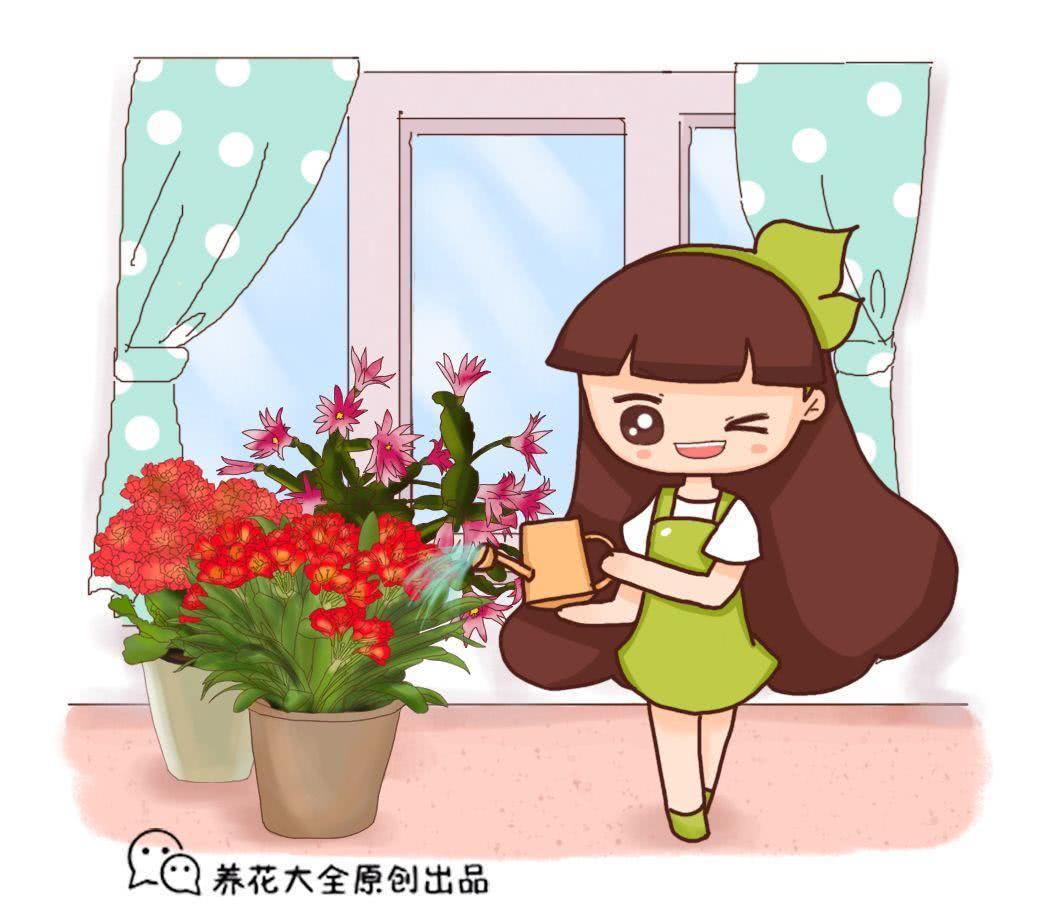
It has only been a few days since Cold Dew, and Frost's Descent is almost here again. The temperature is dropping fast, so the flowers at home can no longer be watered casually, or they will die before winter even arrives~ Today Huahua will explain in detail how common flowers should be watered in autumn and winter so they can grow well!
Kalanchoe - the less you water, the more it bursts into a full pot
Watering tips
1. Kalanchoe is drought-tolerant and afraid of waterlogging. When the temperature is 12~25°C, water once every 7~10 days, and wait until the potting soil turns white before watering.
2. When the temperature is 5~10°C, growth slows down, so water once a month; below 5°C, it basically goes dormant, so stop watering at this time.
3. If you want it to bloom more, you can save fishy water, dilute it 50 times with water, and use it instead of tap water to water the flowers.
Christmas cactus - spray a little fertilizer solution and it blooms quickly
Watering tips
1. Christmas cactus grows fastest at 15~25°C. Water once every 5~7 days. Before watering, you can stick your finger into the soil; if it feels dry, water it, and if it feels a little wet and sticky, do not water.
2. Between 5~15°C, Christmas cactus growth gradually weakens. When watering, better dry than wet; water once every 10~15 days. Below 5°C, it will suffer cold damage, so spray a little water every month and cover it with a bag to keep moisture.
3. When the air is dry, you can spray a little water on the leaves. Before blooming, spray potassium dihydrogen phosphate solution once every 7 days; after the flowers fade, prune ruthlessly, cutting off 60%, to prepare for the next full burst of blooms.
Clivia - give it a little beer and it grows strong
Watering tips
1. Clivia likes a cool and ventilated environment. It grows normally at 15~25°C. If the soil has good air permeability, water once every 5~7 days; if the soil is sticky, heavy, and compacted, water once every 10~15 days.
2. At 5~10°C, water once or twice a month; at 0~5°C, Clivia will suffer cold damage, so place it indoors in a heated spot.
3. If you want the leaves to look good and the flowers to be numerous, during the vigorous growth period, you can water the flowers once a week with beer water diluted 50 times.
Azalea - add vinegar to the water and it grows vigorously
Watering tips
1. At 12~25°C, azaleas grow normally. Water once a week, and water only after the surface of the potting soil is completely dry. After watering, increase ventilation.
2. When the temperature is below 10°C, azaleas are semi-dormant, so reduce watering to once every 2 weeks. Below 0°C, they will suffer cold damage, so you can put a plastic bag over the flowerpot.
3. Azaleas like acidity. When watering, you can add 2 drops of vinegar to the water, or soak orange peel in water and use it to water the flowers.
Bougainvillea - watering too often makes it grow leggy
Watering tips
1. For bougainvillea to bloom, keep the temperature above 15°C. At this time, water once a week, and after watering, increase ventilation.
2. When the temperature is below 8°C, bougainvillea in the north should be brought indoors and watered once every 10~15 days; bougainvillea in the south can be brought indoors when the temperature is below 0°C.
3. To speed up growth, when the temperature is suitable, water the flowers every 10 days with diluted cake fertilizer water or compound fertilizer solution.
Camellia - water again when the leaves droop
Watering tips
1. The basic principle for watering camellias is "water thoroughly when dry." Dry means starting to water when the leaves droop a little, and thoroughly wet means watering until water seeps out from the bottom of the pot.
2. From early September to late October, camellias grow vigorously, so water once every 2 days; in winter, reduce watering to once a week, and spray the leaves with water every day. During overwintering, keep the temperature at 3~5°C.
3. To promote camellia bud formation, during the flower bud differentiation period, spray a little potassium dihydrogen phosphate on the leaves; when the temperature difference is too large, it is best to move them indoors, otherwise the buds are likely to drop.
Jasmine - watering and ventilation keep the leaves from turning yellow
Watering tips
1. At 10~25°C, it grows normally. Water once every 5~7 days, keep the potting soil slightly moist, and strengthen ventilation.
2. Jasmine is afraid of cold. When the temperature is 6~10°C, move it indoors and water once every half month to keep the leaves fresh green. Below 5°C, stop watering and fertilizing.
Rose - water again when the leaves wilt
Watering tips
1. When the temperature is above 10°C, roses grow without trouble, so water normally, watering when dry and stopping when wet; below 10°C, control water and water again only after the leaves wilt.
2. When the temperature is below 5°C, water less, once or twice a month, just enough that they do not die of dryness.
3. Some roses are very cold-resistant and can survive outdoors at minus 10°C. In Northeast China and for less cold-resistant varieties, it is best to cover them with a greenhouse film or keep them in a foam box.
Money tree - too much watering causes root rot
Watering tips
1. Money tree is drought-tolerant and afraid of waterlogging. When the temperature is above 10°C, water once every 15~20 days.
2. Below 5°C, it will suffer cold damage. At this time, water once every 1~2 months, and spray more water when the air is dry.
Rubber plant - water again when the pot surface turns white
Watering tips
1. At 10~20°C, it grows normally and vigorously. Water when the potting soil turns white and dry. If the potting soil has good air permeability, water once every 7~10 days; if permeability is poor, water once every half month.
2. When the temperature is below 10°C, move it indoors and reduce watering to once a month; below 5°C, it enters dormancy and does not need watering.
Snake plant - if you can avoid watering, then do not water
Watering tips
1. When the temperature is above 10°C, it can grow normally. Water once every half month, and keep the potting soil better dry than wet.
2. When the temperature is below 8°C, growth is slow, so move it indoors, put a plastic bag over it, and water once every 2 months; below 3°C, the leaves suffer cold damage and shrink, and growth stops.
Pothos - cover it with a bag to keep moisture and it still grows like crazy
Watering tips
1. When the temperature is above 10°C, it grows normally. Water once every 5~7 days and keep the potting soil moist.
2. When the temperature is 5~10°C, it is best to move the plant to a south-facing balcony indoors and water once every 10~15 days; below 5°C, it will suffer cold damage or even freeze to death. At this time, do not water, and put a plastic bag over the plant to keep it warm and moist.
Asparagus fern - spray water on the leaves and they stay glossy green
Watering tips
1. In autumn, the suitable temperature for asparagus fern is 12~20°C. Water once every 5 days, keep ventilation, and spray water or mist often.
2. When the temperature is below 5°C, asparagus fern growth is hindered, so stop watering, but you can spray water on the leaves.
Orchid - watering must be paired with plenty of ventilation
Watering tips
1. At 10~20°C, orchids grow vigorously. If the growing medium has strong moisture retention, water once every 7~10 days; if the growing medium has poor moisture retention, water once every 5~7 days.
2. At 5~10°C, growth slows, so the flowerpot should be brought indoors and watered once every 10~15 days; Cymbidium goeringii and Cymbidium faberi can tolerate a minimum of -5°C, while Cymbidium sinense and Cymbidium ensifolium can tolerate a minimum of 0°C. At this time, they are basically dormant, so watering once a month is enough.
Succulents - more sun and less water, and they immediately become plump
Watering tips
1. In autumn, if you want to grow plump and beautiful succulents, before watering, first touch the leaves. Water again when the leaves are slightly shrunken and soft. Do not control water excessively; keep the potting soil slightly damp, but not wet and sticky.
2. When the temperature is 5~10°C, water once every 15~20 days; below 0°C, move them indoors. If grown outdoors, cover them with greenhouse film, and take care to prevent rain, snow, and frost.
Okay, that is all for today
What other flower watering tips do you want to know?
Leave a comment directly below,
Huahua will answer for you~