Tips for growing plumeria from seed to flowering in a large pot
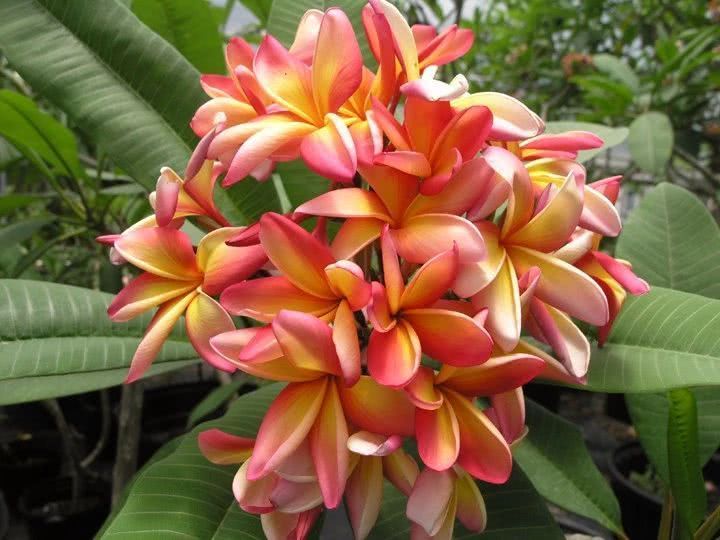
Plumeria is a tropical flowering plant that loses all its leaves in winter and resumes growth when spring warms up. It produces very delicate and charming flowers in captivating colors, and some varieties' blooms look like scattered eggs.
Few people choose to grow plumeria from seed, usually propagating it from cuttings, but growing it from seed is also very simple. However, from sowing to flowering, plumeria takes about two to three years, while plumeria propagated from cuttings can flower in one to two years.
Plumeria grown from seed may vary in flower color, while plumeria grown from cuttings produces flowers identical to the mother plant, but I still really like propagating plumeria by sowing seeds.
You can buy some plumeria seeds directly online. It is best to plant them in spring or autumn. Newly purchased seeds should be sown as soon as possible; if left for too long, their germination rate will decrease.
I have a special sowing method: the seeds can first be soaked in clean water for eight hours, then prepare some moist paper towels, place the seeds on them, put them in a box, and keep the paper towels moist.
After one or two days in the moist paper towels, take the seeds out and sow them in moist sandy soil. For the soil, you can choose a mix of peat moss and perlite at a 3:2 ratio, which gives the soil good water retention, aeration and drainage.
You can choose some relatively small plastic pots for sowing, with a fairly large drainage hole at the bottom. Putting three seeds in each small pot is enough.
Before sowing, the soil should be completely moist. Lay the seeds flat on the soil surface and cover them with a 2 cm layer of soil. During care, keep the soil moist, maintain the temperature at around 20 degrees, and keep the surrounding air humidity high.
You can put it in a large box with a lid on top, place it in a warm, ventilated spot, and avoid sunlight. This keeps moisture in, and you can mist regularly and occasionally open the cover to ventilate. The purpose of covering it when sowing is to maintain high air humidity and a warm environment, creating a greenhouse effect.
Plumeria seeds take about seven to thirty days to germinate, depending on how fresh the seeds are. The fresher the seeds, the faster they germinate. Generally, you can see small sprouts emerge in about two weeks.
When plumeria seeds have just germinated, some seed coat will still remain. As the leaves grow, gradually reduce watering. The growing environment should stay ventilated, otherwise mold is likely to develop.
After plumeria seedlings emerge, the top leaves will be topped by a layer of seed coat. Let it fall off naturally. If it does not fall off on its own, you need to remove it, otherwise these seedlings are prone to rotting and dying.
For later care of plumeria seedlings, keep the soil moist and slowly increase light. Proper scattered light each day is enough. Once the seedlings grow to about 7 cm, they can be transplanted into larger pots.
Newly transplanted plumeria seedlings should not be exposed to the sun. You can keep them in a ventilated, shaded place for two weeks, then slowly introduce them to light and gradually reduce watering.
After two weeks, give plumeria plenty of light, with more than six hours of direct sunlight per day. Only then will plumeria grow well, and this will promote strong root and stem growth.
After that, as the plumeria seedlings keep growing taller, you should keep repotting them until they reach over 1 m in height.
Plumeria comes in very many flower colors, the most common being white, yellow and pink. It is a very easy-care plant, and its flowers have a captivating fragrance, so it is very popular.
Many friends like to propagate plumeria from cuttings. You can directly cut a branch about 30 cm long, make a slanted cut at the bottom, dip it appropriately in rooting powder, then insert it into sandy soil. Keep it in a ventilated spot with bright light, and water regularly to promote rooting and sprouting.
Plumeria has relatively low cold tolerance. The minimum care temperature in winter should stay above 5 degrees. After the weather turns cold in autumn, control watering. In spring and summer, you can keep the soil moist, but avoid waterlogging in the pot.
To promote flowering in plumeria, you can give it an organic liquid fertilizer once every two weeks in spring and summer, and you can also give some potassium dihydrogen phosphate solution, which helps with flowering.