Houseplants have many benefits, and they can even predict weather changes in advance
When it comes to predicting the weather, many friends rely on the weather forecast to find out. But in ancient times, people could learn about weather changes through animals or plants. Usually, when we see little ants moving in groups, it means the weather is about to turn bad and rain is coming. There are also many plants that know about weather changes. Do you know about them, friends? Let's find out together with the editor. Maybe you have even grown one without knowing it.
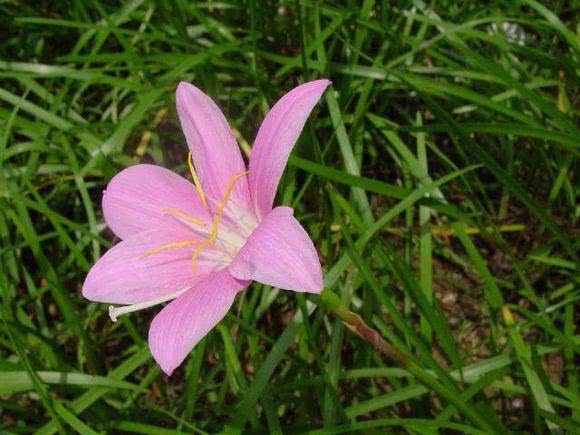
First, let's talk about the rain lily (Zephyranthes). This flower likes to grow in warm, humid environments, so it is mostly found in Xishuangbanna in China, where the weather is also very changeable. Many local friends look at the state of the rain lily to decide whether they can go far from home or need to bring rain gear. The rain lily has a very obvious characteristic: when the weather is about to rain, the surrounding air pressure drops, the nutrients inside the rain lily begin to be activated, and it will bloom. So when we usually see the rain lily blooming, we need to bring an umbrella when going out.
Next is the temperature grass. Just from the name, you can tell it has something to do with the weather, and this grass was discovered by a farmer in Sweden. When he was farming, he noticed that this plant's leaves grow in different directions at different temperatures. When the growing environment is relatively warm, the leaves grow upward; when the climate starts to turn cold, this plant's leaves grow downward.
The last one is the common willow leaf. This is the plant we see most often in daily life, but growing a willow tree at home is indeed somewhat difficult. We can look at the shape of willow leaves in different seasons or weather. Willow trees usually grow better in summer, so when we take a walk after dinner in summer, we can see them.
But if you find that the willow leaves turn white, it means the weather is about to rain, so hurry home. Actually, it is not that the willow leaves turn white, but that the willow leaves all turn over before rainy weather. Does that sound strange? You need to see it for yourself to get a deeper impression. It seems as if the leaf surface is shielding itself from the rain.
The above three are plants that are relatively convenient and quick for us to use to predict the weather, and they are not very difficult to care for. So growing one at home just to observe the weather is also quite a nice thing to do.