Propagate these 5 green plants by cuttings in autumn; a single leaf is enough to root, and they will bloom the next year
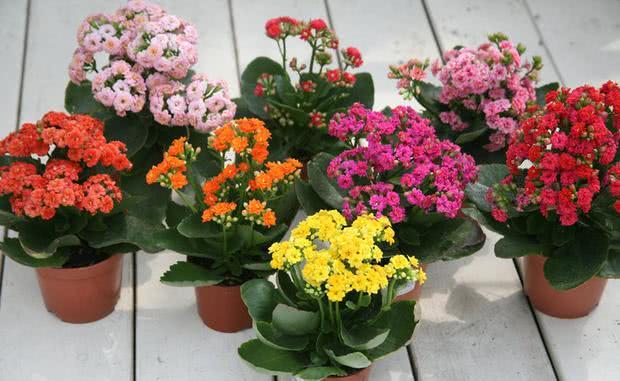
There are many flowers that can be propagated by cuttings in autumn. As the weather gradually turns cool, for flower growers, autumn is also a good time to propagate their favorite flowers and potted plants by cuttings. Today I have put together 5 common flower and potted plants that are very suitable for cuttings in autumn. A single leaf is enough to root, and they will bloom the next year!
First type: How to propagate Kalanchoe blossfeldiana by cuttings
Leaf cuttings of Kalanchoe blossfeldiana can be done all year round, but they root most easily in summer and autumn. Before taking cuttings, prepare a flower pot, preferably filled with well-drained sandy loam soil. You can snap off a stem 6-10 cm long, with two or more leaves attached. When taking the cutting, trim the stems and leaves so they are as even in height as possible; the lower end of the cut is generally made at a slant, preferably 2 mm from the lowest bud eye, which helps rooting.
Second type: Pelargonium cuttings
As with the leaf-cutting method for other potted flowers and plants, first we need to select a robustly growing Pelargonium, taking care to keep the leaf stalk, then place it in a cool, ventilated spot away from direct sunlight for a while so the wound on the leaf stalk dries quickly, making the leaf cutting easier to carry out. If the container you have prepared is a plastic cup or paper cup without drainage holes at the bottom, using it as a leaf-cutting nursery cup, you can put about 1 cm of clean water in the bottom of the cup, then insert the leaf stalk part of the leaf into it. Compared with leaf cuttings of other potted flowers and plants, the leaf-cutting method for Pelargonium is likewise fairly simple and practical.
Third type: Gardenia cuttings
You can first select robust branches 1-2 years old, cut the branches into lengths of about 10 cm, making sure each branch has 2 bud points, keep 2 leaves at the top, and cut the bottom at a slant. Insert the cuttings 2-3 cm into the soil, cover with plastic film to retain moisture, and strengthen shading from light. After 2 weeks they will root abundantly, and after one month they can be transplanted.
Fourth type: Peperomia obtusifolia cuttings
Cut robust Peperomia obtusifolia stems of four or five cm, remove the lower leaves, and let the cut dry to avoid infection by pathogens. As with Kalanchoe blossfeldiana, place the removed Peperomia obtusifolia leaves in a cool, ventilated place to dry; when you see the Peperomia obtusifolia leaves begin to show signs of wilting, you can insert them directly into the potting soil. For the cutting medium you can mix peat soil, garden soil and perlite in a ratio of 3:1:1, and insert the part going into the medium two or three cm deep.
Fifth type: Sansevieria cuttings
Sansevieria roots rather slowly from cuttings, taking a month after cutting to root. After rooting, it takes 1-2 months for small shoots to emerge, and then small plants gradually grow; the whole process takes about half a year. When taking cuttings, be careful not to insert them upside down, and after inserting, be careful to maintain a certain humidity. When the cutting medium is slightly dry, spray water with a fine-nozzle watering can, but it should not be too wet either, to avoid rot. Then place it in a spot with scattered light and air circulation.
This is a gathering place for flower lovers, sharing flower and potted plant care tips. You are welcome to follow and exchange ideas.