In container flower care, mastering the amount of watering is very important
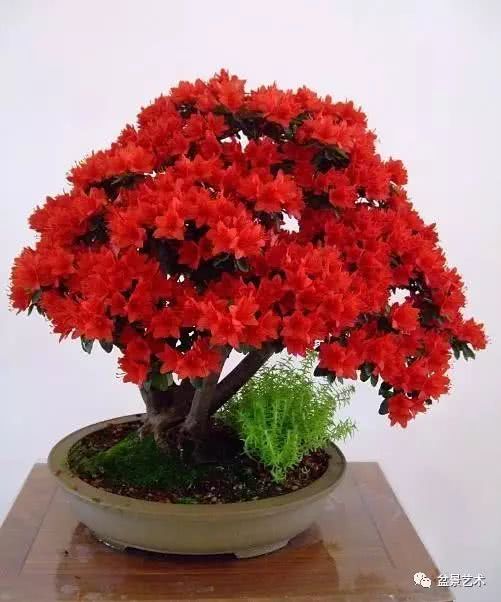
Whether the amount of water given to container flowers is timely and appropriate is the key to success in growing flowers. Drawing on experience from various places, the amount of water for container flowers should be determined by comprehensively judging the flower variety, plant size, growth and development stage, climate, soil conditions, pot size, placement location and other aspects, so as to determine the time, frequency and amount of watering.
Under normal circumstances, moisture-loving flowers should be watered more, and drought-loving flowers should be watered less; bulbous flowers should not be watered too much; herbaceous flowers have a high water content and also a high transpiration rate, so they should be watered more than woody flowers; flowers with large, soft leaves that are smooth and hairless should be watered more, while flowers with small leaves that have a waxy layer, fuzz or a leathery texture should be watered less; water more during the vigorous growth period and less during the dormant period; water more when the plant is large and the pot is small, and less when the plant is small and the pot is large; water more in hot weather and less in cold weather; water more on dry days and less on cloudy days, and so on.
For ordinary flowers, the water supply through the four seasons is as follows: after the beginning of spring each year, the temperature gradually rises, the flowers enter their vigorous growth period, and the amount of watering gradually increases. In early spring, watering should be done before noon. In summer, the temperature is high, the flowers grow vigorously, and transpiration is strong, so the amount of watering should be sufficient. In summer, watering should be done in the morning and evening. After the beginning of autumn, the temperature gradually drops, the flowers grow slowly, and watering should be appropriately reduced. In winter, the temperature is low, and many flowers enter dormancy or semi-dormancy, so watering should be controlled; if the potting soil is not too dry, do not water, so as to avoid root rot and leaf drop caused by excessive watering. In winter, watering should be done at 1-2 pm.