Why is mugwort called the king of herbs?
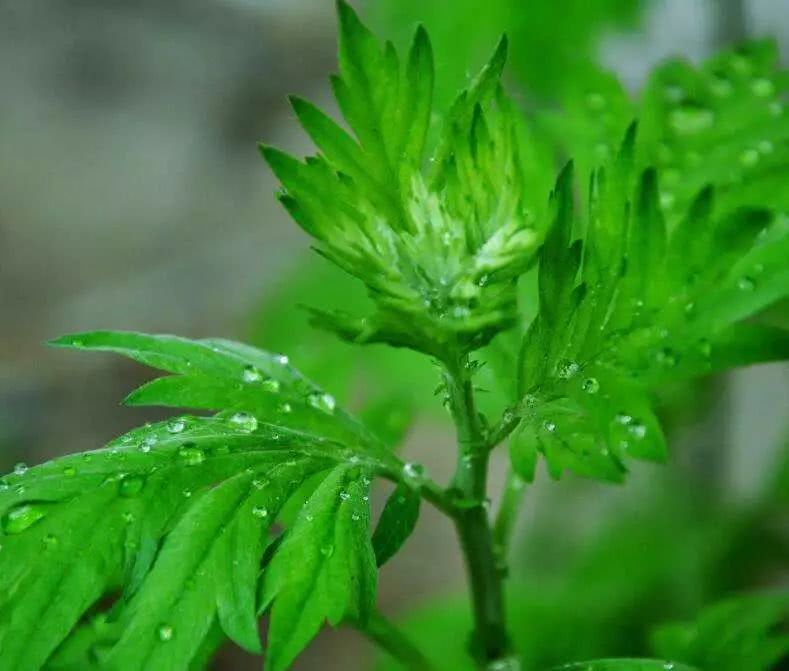
Soaking the feet is an essential part of health care. Mugwort is honored as the "king of herbs," and it is often seen in rural areas. Using it to soak the feet can not only cure all kinds of ailments but also extend life!
Soaking the feet with mugwort, prolonging life
/ The benefits of soaking the feet with mugwort /
Soaking the feet with mugwort can effectively address colds, uterine cold, painful periods, false fire, athlete's foot, poor blood circulation, poor sleep quality and other symptoms, and is very beneficial to health.
/ The method of soaking the feet with mugwort /
Take an appropriate amount of mugwort and put it in water to boil. After it comes to a boil over high heat, continue simmering for about ten minutes before turning off the heat. Let the mugwort water cool naturally to a temperature suitable for soaking the feet.
Add one thing to mugwort and the effect is even better
/ Mugwort + Sichuan pepper /
Sichuan pepper has the benefits of promoting blood circulation and clearing the meridians, and strengthening immunity. Mugwort plus Sichuan pepper can effectively get rid of foot sweat, foot odor, athlete's foot, foot fungus, eczema and other foot problems.
Method:Put the Sichuan pepper and mugwort into a cloth bag or clean stockings, add water and bring to a boil. Soak once before bed, until the feet turn slightly red and the body breaks a light sweat.
/ Mugwort + safflower /
Safflower is a common plant belonging to the chrysanthemum family. Used as medicine, it has the effects of invigorating blood and dissolving stasis, and promoting blood circulation. Mugwort plus safflower can improve varicose veins, peripheral neuritis, poor blood circulation, numbness or blood stasis in the hands and feet and other symptoms.
Method:Take an appropriate amount of safflower and mugwort and put them in water to boil. You can first use the steam evaporated by the high temperature to fumigate the feet, and after the water naturally cools to a suitable temperature, soak the feet.
/ Mugwort + ginger /
The "gingerol" in ginger can promote the opening of pores and expel pathogens and cold from the body. Mugwort plus ginger slices can be used to relieve joint pain, rheumatoid arthritis, cough, bronchitis, emphysema, asthma and other symptoms.
Method:Take a piece of ginger the size of a thumb, smash it flat or slice it, then put it into the boiled mugwort water to soak. When the water temperature is suitable, you can soak the feet.
/ Mugwort + salt /
Salt has a very good effect of sterilizing, disinfecting and exfoliating, and heat can double this effect. Mugwort plus salt can remove false fire or cold fire, and related symptoms include eye fire, toothache, sore throat, mouth ulcers and so on.
Method:Add an appropriate amount of salt to the boiled mugwort water, stir well and then you can soak the feet. However, those with wounds on the feet should not do this for the time being.
Mugwort can also be used this way
/ Placed at home, it can repel insects /
Mugwort has a strong fragrance. Placed directly in the corners of the home, it can effectively remove odors and repel insects. At the same time, using boiled mugwort leaf water to clean kitchen utensils can also sterilize and disinfect well.
/ Boiling water to strengthen resistance /
Drinking water boiled directly with fresh mugwort leaves can play a role in reducing inflammation, relieving asthma, relieving cough, anti-allergy and so on, strengthening the body's resistance, and at the same time can warm qi and blood and remove dampness and cold. Female friends with painful periods who drink an appropriate amount of mugwort leaf water will find it very helpful for improving a cold constitution.
/ Boiled eggs with mugwort leaves to warm the meridians and calm the fetus /
Boiled eggs with mugwort leaves are an excellent dietary therapy for women to warm the meridians and calm the fetus, and also have a very good effect on habitual miscarriage.
Method:Take a small amount of mugwort leaves, 5 slices of ginger, and two eggs. Wash all three and put them in a pot to boil. After 5 minutes, take out the eggs, remove the shells, then put them back into the pot and simmer over low heat for about 1 hour. Finally, take out the eggs and soup, and add an appropriate amount of brown sugar for seasoning.
/ Bathing can remove dampness and relieve itching /
Mugwort has the benefits of removing dampness, dispelling wind, sterilizing, and relieving itching. Giving newborns and postpartum women a "mugwort leaf bath" is a custom that has existed in Jiangnan since ancient times. The "mugwort leaf bath" can also effectively improve eczema, prickly heat, baby "red bottom" and other symptoms, and is also very helpful for preventing mosquito bites.
Method:Take a small amount of fresh mugwort leaves, put them in a bathtub, add boiling water and soak for 10 minutes, then remove the mugwort leaves, add water and adjust to a temperature suitable for bathing.
/ Mugwort plus wine relieves neck, shoulder, waist and leg pain /
Mugwort is a purely yang substance and is the "first choice magic weapon" for dealing with cold and dampness; at the same time, wine also has the benefits of relaxing the sinews and clearing the meridians, and invigorating blood and dissolving stasis.
Method:Take 2-3 handfuls of mugwort leaves, 2-3 slices of ginger, and 2-3 stalks of scallion. Mix and pound them, then wrap them in gauze, dip them in hot wine and apply to the painful area. The effect is very obvious.
/ Washing the hair can relieve itching and promote hair growth /
Washing the hair with mugwort can not only effectively remove dandruff and relieve itching, but also promote hair growth. At the beginning, you can wash about 3 times a week, and after slight results, you can reduce it to 1-2 times. Stick with it for 3 months and you will discover a "surprise."
Method:Boil dried mugwort leaves, moisten the scalp with the mugwort water, then wrap the hair with a dry towel, and after 10 minutes rinse clean with warm water.
/ Mugwort stuffed into the nose can relieve nasal congestion /
When the nose is congested, you can knead mugwort and stuff it into the nostrils, and after a while it will be "unimpeded." This is because components in mugwort such as potassium and essential oils can effectively relieve nasal congestion.
These points should be noted when using mugwort
/ Precautions for soaking the feet with mugwort /
When soaking the feet, you must not soak until the whole body is drenched in sweat. You should stop when the body is slightly sweating. After finishing the foot soak, it is best to drink a small cup of warm water to replenish fluids.
If patients with cardiovascular and cerebrovascular diseases and the elderly experience symptoms such as chest tightness and dizziness, they should stop soaking the feet. Soaking the feet for too long can easily trigger acute heart failure, acute myocardial ischemia and other symptoms.
People with low blood pressure or diabetes had best not soak their feet with mugwort, because at this time the nerves in the feet are relatively dull and burns are easy. If there is really a need, they should soak their feet with mugwort accompanied by family members.
Children under 10 years old should try not to soak their feet with mugwort, as it can easily lead to flat feet. Soaking the feet with mugwort 2-3 times a week is enough, and it should not be too frequent.
/ Not suitable for large-dose oral use /
Although mugwort has a wide range of uses, it also has side effects. Taking a large amount of mugwort orally can cause acute inflammation of the gastrointestinal tract, thereby producing digestive system poisoning symptoms such as nausea and vomiting.
/ Use with caution in patients with liver disease /
The toxic saponins and terpenoids in mugwort leaves have obvious toxic side effects on the liver, so patients with liver disease should use mugwort with caution.
/ Not suitable for hot constitutions /
Traditional Chinese medicine classifies mugwort as a warming medicinal material. For people with a weak and cold body, mugwort has a positive effect; but for people with a hot constitution, or people with excess internal heat, mugwort may worsen the symptoms of excess internal heat.
——END——
All the excitement is at Huayipai Youzan Mall
With flowers, with love | Huayipai