Pothos that does not get yellow leaves and fills the pot in autumn: Sister Wang's trick is to water it with this
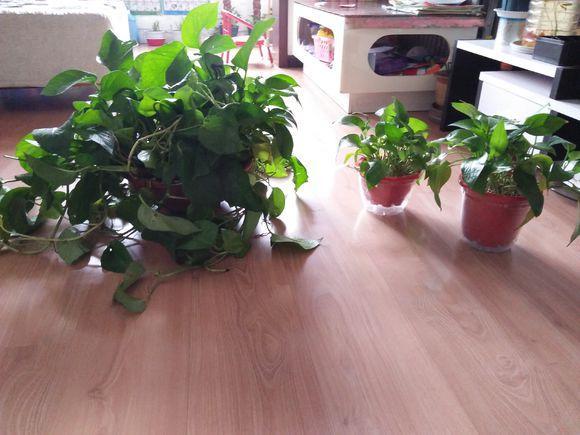
Pothos is a kind of potted plant that many flower lovers like. It can be seen on many balconies. For example, my neighbor Sister Wang keeps a lot of pothos. Every time I visit, I look at it a few more times, because it is really beautiful, with glossy green leaves. This time I asked Sister Wang how she grows it so well. She said, if you want to grow pothos at home, water it with "this", and it will not get yellow leaves and will fill the pot in autumn!
What is Sister Wang's "trick"?
The key to caring for pothos is watering, and fish tank water can make pothos grow better. Many families who love growing flowers have a large fish tank at home. Every time the fish tank is changed, it is a great pity to pour the water away for nothing. In fact, it can be used to water pothos. Not only can it replenish water for pothos, but more importantly, fish tank water is especially rich in nutrients (after all, fish waste is broken down in it). If fish tank water is used for watering, the water and nutrients for pothos are satisfied at the same time, and pothos can grow faster.
Watering pothos with vegetable-washing water
The vegetable-washing water from home can also be used to water pothos. Not only pothos, but it can also be used to water potted plants such as spider plant, jasmine, orchid and aloe. Vegetable-washing water is much better than ordinary water. After watering pothos with it, pothos can grow especially vigorously. Generally, when we wash vegetables, we do not wash them only once, and some vegetables are very clean and do not have insect eggs or the like. If you do not dare to use vegetable-washing water to water flowers because you are afraid of pest infection, that is truly a pity.
If any friends have this concern, they can first prepare a bucket. When washing vegetables, pay attention to whether the vegetables have pests. For vegetables without pests, the vegetable-washing water can be poured into the bucket, and the next day it can be taken to water flowers. In this way, not only can water be saved, but the probability of pest infection can also be reduced. Most importantly, water that has been left to stand for a day is far better for watering flowers than directly using tap water.
Rice-washing water, used to water pothos
When cooking at home, rice is often washed, and this rice-washing water is very good for watering flowers and is beneficial to the growth of flowers. However, it must be fermented first, otherwise it will damage the roots. This point is a bit more troublesome compared with vegetable-washing water. The specific method is to put the rice-washing water in an empty jar and cover the mouth of the jar. A large cola bottle also works. Put it in the sun to dry. In winter it takes about 2 weeks, and in summer about 1 week is enough. If there is an odor during fermentation, some orange peel can be put in to ferment together. After it is done, the upper clear liquid of the rice-washing water can be taken and used to water pothos at a ratio of 1 part rice-washing water to 4 parts clear water.
Rice-washing water is rich in phosphorus, nitrogen and trace elements, and is a pollution-free, comprehensive compound fertilizer. Using it to water flowers and trees that like acidic soil, such as rhododendron, Milan, jasmine, gardenia, camellia and osmanthus, is quite good. It can not only promote robust plant growth, but also prolong the flowering period.
This is a gathering place for flower lovers, sharing flower care tips. You are welcome to follow and exchange ideas.