Six common green plants that will root from a single cutting - how many of them do you know?
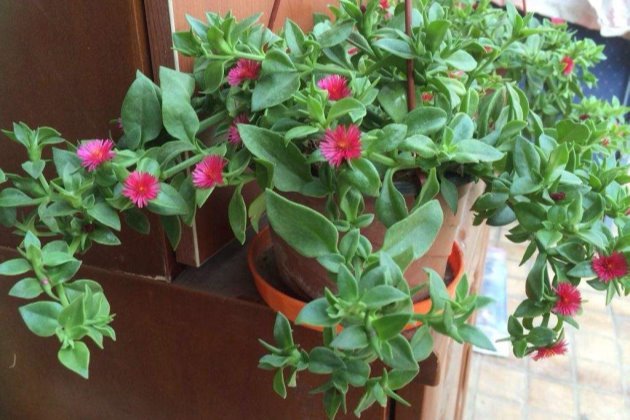
Many people love growing flowers, but many of those who do never try out any of the new joys of plant care. Lots of flower lovers think that propagating plants from cuttings sounds terribly complicated, so they never attempt to propagate their plants from cuttings, and whenever they come across a flower they like, they always end up paying for it instead of growing one themselves. Today Hua'er Gu is here to introduce some green plants that are relatively easy to root from cuttings - even a complete beginner at plant care can get them to root with ease!
1. Aptenia cordifolia (heartleaf ice plant)
Cutting conditions: the best time to take cuttings of Aptenia cordifolia is in spring and autumn, and the ideal cutting temperature is around 15-20°C. In this season and at this temperature, the rooting rate of Aptenia cordifolia cuttings is very high.
Cutting method: snip off some relatively sturdy branches, let the wounds air-dry in a shady spot, then insert them into sandy soil or regular soil and keep the soil slightly moist. After a few days you will see them go from a wrinkled, soft state back to a firm, plump state, which means the cuttings have succeeded - now you just have to wait for new roots to grow!
2. Dahlia
Cutting conditions: dahlia is a green plant suited to taking cuttings in summer, with an ideal cutting temperature of around 20-30°C.
Cutting method: snip off side shoots about 10cm long, then insert them straight into the soil and keep the soil moist; new roots will grow in less than a month.
3. Chrysanthemum
Cutting conditions: many people would never guess that chrysanthemums can also be propagated and rooted from cuttings. In fact, propagating chrysanthemums from cuttings is not difficult either. It is best done in April-May, at a suitable temperature of around 20°C.
Cutting method: chrysanthemum cuttings need newly grown branches; cut off new branches about 10cm long to use as cuttings, insert them into sandy soil and keep the soil slightly moist. After about a month new roots will grow, and a brand-new chrysanthemum seedling has been raised! At this point we can pot it up for planting.
4. Nematanthus gregarius (goldfish plant)
Cutting conditions: Nematanthus gregarius is also a green plant very well suited to cuttings, and it produces adorable goldfish-shaped flowers. Cuttings of Nematanthus gregarius are best taken in spring and autumn, at a temperature of around 20-25°C.
Cutting method: snip off sturdy Nematanthus gregarius branches and insert them into slightly moist river sand. During the cutting period you can mist them regularly; just make sure the medium does not dry out completely and keep it slightly moist, and new roots will grow in less than a month. At this point you can transplant them into pots!
5. Mint
Cutting conditions: mint, a plant that can cool and refresh you in summer, can also be propagated from cuttings. The best time to propagate mint from cuttings is in May-June, at a temperature of around 25°C.
Cutting method: cut off small cuttings about 10cm long and insert them straight into the soil, and they will root and sprout.
6. Lilac
Cutting conditions: lilac cuttings are best taken in summer, after the plant has finished flowering. Choose two-year-old branches for the cuttings, about 15cm long.
Cutting method: first soak them in rooting powder, then insert them into river sand and keep the medium slightly moist.
Those are the 6 green plants that Hua'er Gu recommends as very well suited to propagation from cuttings. Of course, besides these plants that can be propagated from cuttings, other common ones such as peony, carnation, Chinese rose and rubber tree are all plants that root very easily from cuttings with a high survival rate.