How to make pine needle soil yourself? A detailed guide to the method
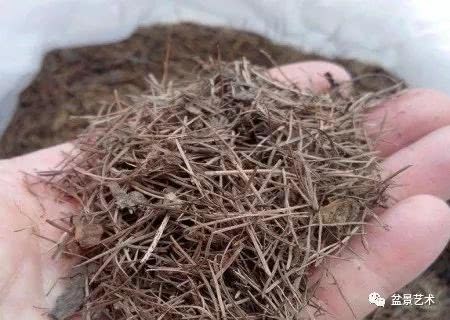
Pine needle soil is an excellent soil for growing flowers. Used as potting soil, it not only has very good permeability and very strong water seepage, but is also rich in various organic matter and can even play a positive role against pests and diseases. The only thing is, pine needle soil is generally acidic or weakly alkaline. For orchid-type plants that like acidic soil, the flowers and plants grown in it not only have robust root systems, but also green leaves and bright blooms.
When growing flowers and plants in pots, you can lay a layer of pine needles at the bottom of the pot to increase air and water permeability, but you cannot directly mix them with soil to make potting soil. Pine needle soil must be fully fermented before use. So, for gardening friends who have trouble getting pine needle soil, how do you make it yourself?
In fact, the method for making pine needle soil yourself is very simple and can be completed in just a few steps. The most important point is to let it ferment fully, so whether the pine needles ferment well is the key to successfully making good pine needle soil.
If you can easily find pine trees nearby, that is ideal. Because to make pine needle soil yourself, the first raw material you need to find is pine needles. You can go directly under the pine trees to collect some pine needles, then add some garden soil. Next, mix the pine needles with the garden soil, put it all into an airtight bag, add an appropriate amount of water, and tie the bag tightly. After that, place it in a higher-temperature environment to let it ferment fully.
Fermentation is a relatively long process. In general, the higher the temperature, the easier it is for the sealed pine needles to ferment in a moist environment, so the time needed to complete fermentation is relatively shorter. It can be seen that temperature and humidity are the main factors affecting how long pine needle fermentation takes. Generally, in hot summer weather, sealed and moist pine needles need 2-3 months to ferment fully; in autumn and winter, because the temperature is lower, fermentation takes much longer than in summer.
In fact, pine needle soil is a type of leaf mold, formed by the accumulation and fermentation of the slender fallen leaves of pine trees. Because it is a type of leaf mold, it naturally has the characteristics of leaf mold: rich in humus, light in weight, loose, and good in air and water permeability. But at the same time it also has the characteristics of heat insulation and moisture retention, and when used to mix potting soil it also has the effect of inhibiting weed growth. It is mainly used for potted flowers and plants that like acidic soil.