No need for rice water or willow branch water for the jade plant; mix a little of this into the soil and it becomes an old stump in half a year
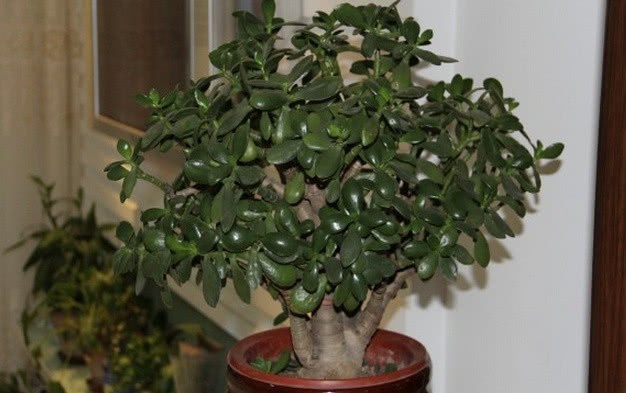
When it comes to the hard-to-grow flowers in the gardening world, I believe many flower lovers would name the clivia, the phalaenopsis, the begonia, and so on, but how could we forget the jade plant? If you want to get a jade plant to bloom, it really takes a good deal of effort. Apart from blooming, quite a few flower lovers are also thinking about how to get their jade plant to become woody!
In appearance, the jade plant (Crassula ovata) looks a bit similar to the purslane tree (Portulacaria afra), but its leaves are more crystal clear, and once it grows out it also becomes considerably larger. Nowadays many flower lovers have their own little gardening tricks - rice water, willow branch water and aspirin are all good things for growing flowers - but using these to turn a jade plant into a big old stump really does take some effort. Actually, Huahua has a better recommendation: mix a bit of soybean into the soil in the pot, and the jade plant will grow much faster!
Soybean is what we commonly call yellow bean; it contains a large amount of protein and other trace elements, and more importantly, after decomposition it turns into a compound fertilizer containing nitrogen. Once the jade plant gets this fertilizer, it will have more nutrients during its growth period, so growing into a big old stump is just a matter of time!
The method of mixing soybean into the soil is actually very simple. First we need to wash the soybeans clean and then soak them; soak until the skins wrinkle, then they can be taken out. The soybeans we take out still need to be put in a pot and boiled for a bit; after about half an hour the soybeans will be cooked soft. The softened yellow beans can be put into an airtight container, with a little water added to help fermentation.
After fermenting for about a month, it is ready to use. This decomposed soybean can be mixed into the jade plant's soil a little at a time once a month, letting it fully release its fertilizing effect in the soil, to help the jade plant grow and promote woodiness.
If you want the jade plant to become woody as soon as possible, we also need to put in the effort on ordinary days!
1. Control the amount of watering
During the care period, the most important thing for the jade plant is to control the amount of watering. During the spring and autumn growing seasons, the jade plant needs watering once every three days; in winter, because the weather is cold, you must control the water, and watering about once a week is enough. At ordinary times, we can check the dryness and moisture of the jade plant's potting soil, and try to keep it moist, but prevent water accumulation.
2. Maintain sufficient light
During its growing stage, the jade plant likes to receive sunlight, but in summer when the sun is scorching, you still need to pay attention to shading; in spring and autumn, during the jade plant's growing season, you can keep it in sunlight all day long, so that it can be provided with enough nutrients to promote growth.
The jade plant has crystal-clear leaves and stays evergreen all year round, making it a very good foliage plant for the home. If you like it, you can pot one up right now; with the right method, you might just see a big old stump in half a year! Also, if you have better ways to promote woodiness in the jade plant, you are welcome to leave a message and share them with Huahua!