Autumn potted primrose fertilizing tips: the plant grows fast and blooms continuously
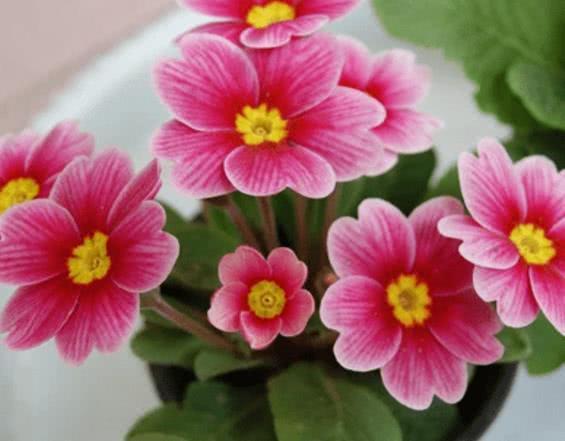
Primroses generally bloom around the Spring Festival. Their flowers are colorful and exceptionally beautiful. Together with rhododendrons and gentians, they are known worldwide as China's three great natural famous flowers, and wild primrose species grow throughout China. Primroses belong to the family Primulaceae. In China there are some cultivated varieties, but more are natural varieties. They like well-drained soil, are suited to humus-rich, slightly acidic soil, are relatively tolerant of moisture, fear strong light and high temperatures at the seedling stage, and like a warm, ventilated environment. So, when caring for primroses, how can you make them "bloom continuously"?
The care environment for primroses
The suitable temperature for primrose growth is around 15°C. In normal care, place it in a warm spot with regular light. At this time the temperature is suitable and the seedlings grow rapidly. When the plant grows to 10 leaves, flower stalks begin to emerge, and each can bear more than ten flowers, consuming a large amount of the plant's nutrients. To make the plant tiller more and produce more buds and flowers, you can remove the first flower stalk as soon as you see it, so as to encourage more tillering and expand the plant. In this way, by around the Spring Festival, each pot can produce more than 5 flower stalks, with flowers filling the pot. The umbel-shaped flower clusters sit above the green leaves, brilliantly colorful and very enjoyable to view.
When primroses are blooming, if flower lovers want to extend the viewing period, note that the temperature and light of the care environment should not be too high. After the flowers fade, to keep them "blooming continuously," you need to promptly cut off the spent flowers and stems and appropriately add a certain amount of fertilizer. This can promote the plant's growth and flowering.
Primrose soil issues
Potted flowers all have certain soil requirements, whether acidic soil, calcareous soil, well-drained sandy soil, clay soil, and so on. But most are highly adaptable to soil and are not demanding; generally, as long as the soil drains well and is fertile, they can grow well, such as winter jasmine, primrose, plum blossom and other plants. For primroses, you can use 2 parts leaf mold and 1 part garden soil, and apply a small amount of culture soil. This culture soil is loose and fertile, mostly slightly acidic, and favors root development.
Primrose watering issues
In normal primrose care, the soil should be kept moist. As for the watering method, you can water from the edge of the flowerpot, but do not splash it onto the flowers. Around noon, when the weather is especially dry and hot, spray water on the plant and the ground around the pot to increase air humidity and lower the temperature. When summer comes, because the air is overly dry and evaporation is high, the plant cannot get the water supply it needs and becomes dehydrated. The rescue method is to move the primrose to a ventilated, shady place, wait until the pot soil temperature drops before watering, and then starting from the next day water once each in the morning and evening. Note the summer watering times: in the morning it should be before 10 o'clock, and in the afternoon it should be after 5 o'clock.
Primrose leaves turning yellow
Primrose leaves turning yellow. A flower lover said that when growing primroses, he usually chose fertilizer with a relatively high nitrogen ratio and applied light fertilizer frequently, so why did the leaves turn yellow? I put it in front of the monitor, and half of it turned yellow, what is going on? Putting a primrose in front of a monitor for a long time is definitely not okay. Because screen radiation is not good for plant growth, and in addition indoor air circulation is poor and cannot meet its needs, so yellowing leaves are also a reaction to an unfavorable growing environment. In front of a computer, the air humidity is definitely insufficient, which is also one of the causes of yellow leaves, so you can consider changing its location.
The flower language of the primrose is first love and hope. That is all for the primrose growing knowledge shared with everyone, and I hope it is helpful to you. This is a gathering place for flower lovers, sharing flower potted plant care tips. You are welcome to follow and exchange ideas.