Growing Gardenia Like This in Autumn Keeps the Foliage Lush and Green
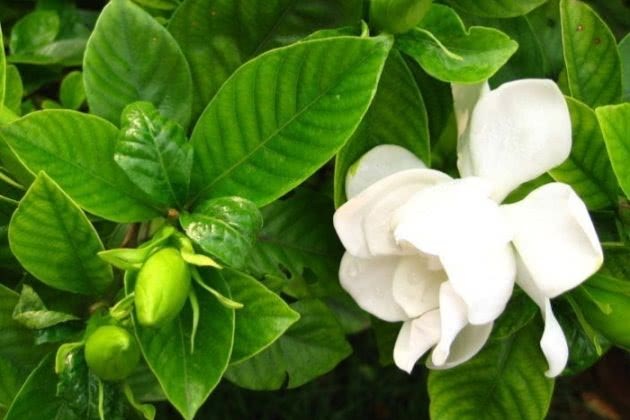
Gardenia is a flowering plant with a fresh, pleasant fragrance. In the past, it was purely a medicinal plant, but now it has also become an excellent potted plant and landscape garden plant. Especially when it blooms, its fragrance fills the air and can help refresh the mind and sharpen the senses.
As people's love for flowers and green plants has become more widespread, many families now like to keep a pot of gardenia at home. Gardenia's flowering period is generally in spring and summer. When autumn arrives and the weather gradually turns cool, our gardenias also begin to enter a slow growth season, and when the temperature drops even lower they stop growing. So how should gardenias be grown in autumn? Today Hua'er Gu is here to discuss with everyone the cultivation methods and precautions for gardenias in autumn!
I. Autumn Cultivation Methods for Gardenia
1. Soil
Gardenia has very high requirements for soil. Gardenia likes to grow in slightly acidic soil, and growing it in alkaline soil will lead to poor growth. Fertile, loose soil with good drainage is very good for gardenia's growth. Common soils that can be used to grow gardenia include garden soil, leaf mold, and sandy loam.
2. Fertilizer
In autumn we generally need to give gardenia some phosphorus and potassium fertilizer, diluting the phosphorus and potassium fertilizer with water and then watering it on. Phosphorus and potassium fertilizer can help gardenia strengthen its own resistance to pests and diseases and help it overwinter better, so in autumn, do not think that because it grows slowly it does not need fertilizer. We must be sure to give it some phosphorus and potassium fertilizer that can strengthen its constitution! However, when fertilizing, be sure to apply thin fertilizer frequently, and never apply too much at once, otherwise fertilizer burn will occur, causing yellow leaves and scorched roots! After growing gardenia for about three months, we need to use some ferrous sulfate solution to help acidify the soil, so that the soil environment for gardenia can remain acidic.
3. Watering
In autumn the air generally starts to become rather dry, especially when it is windy, when the air is very dry. At this time gardenia will develop problems such as yellow leaves due to lack of water or air humidity that is too low. At this time we must pay attention to watering, keeping the soil slightly moist, and at the same time we need to regularly mist its leaves to help it absorb water better. However, when watering in autumn we must never overwater, because once water accumulates, the harm to gardenia's growth is also very great!
4. Light
Gardenia is a green plant that likes to grow in a semi-shaded environment, so in autumn we can place it in a cool place with plenty of scattered light, avoiding direct sunlight during the strong light at noon. Normally, three hours of scattered light per day is enough for gardenia to be in its best growing state! Conversely, if it is placed in a dark place, over time this will cause problems such as yellow leaves and poor growth.
II. Precautions for Growing Gardenia in Autumn
In autumn gardenia needs moderate pruning. Any dead branches and yellow leaves that appear need to be pruned away in time. The soil for gardenia must not become waterlogged, nor should it be too dry. Sometimes yellowing of the leaves occurs due to a lack of iron and magnesium, and at this time we need to promptly supplement it with some fertilizer containing iron and magnesium.
After long-term cultivation, gardenia may suffer from problems such as red spider mites and scale insects, and these problems are all very serious. We must deal with them promptly. To deal with red spider mites or scale insects, we first need to increase air circulation, avoid the soil being too damp for a long time, and eliminate the natural conditions for bacteria to breed. Second, we need to promptly remove the pests by hand or use pesticide spraying.
The above is what Hua'er Gu has introduced to you about the cultivation methods and precautions for gardenia in autumn. If you also grow gardenia, how do we care for them in autumn and winter? You are welcome to leave a message and share with us!