These 4 common potted green plants at home can be cared for this way, so you won't fear yellow leaves or root rot
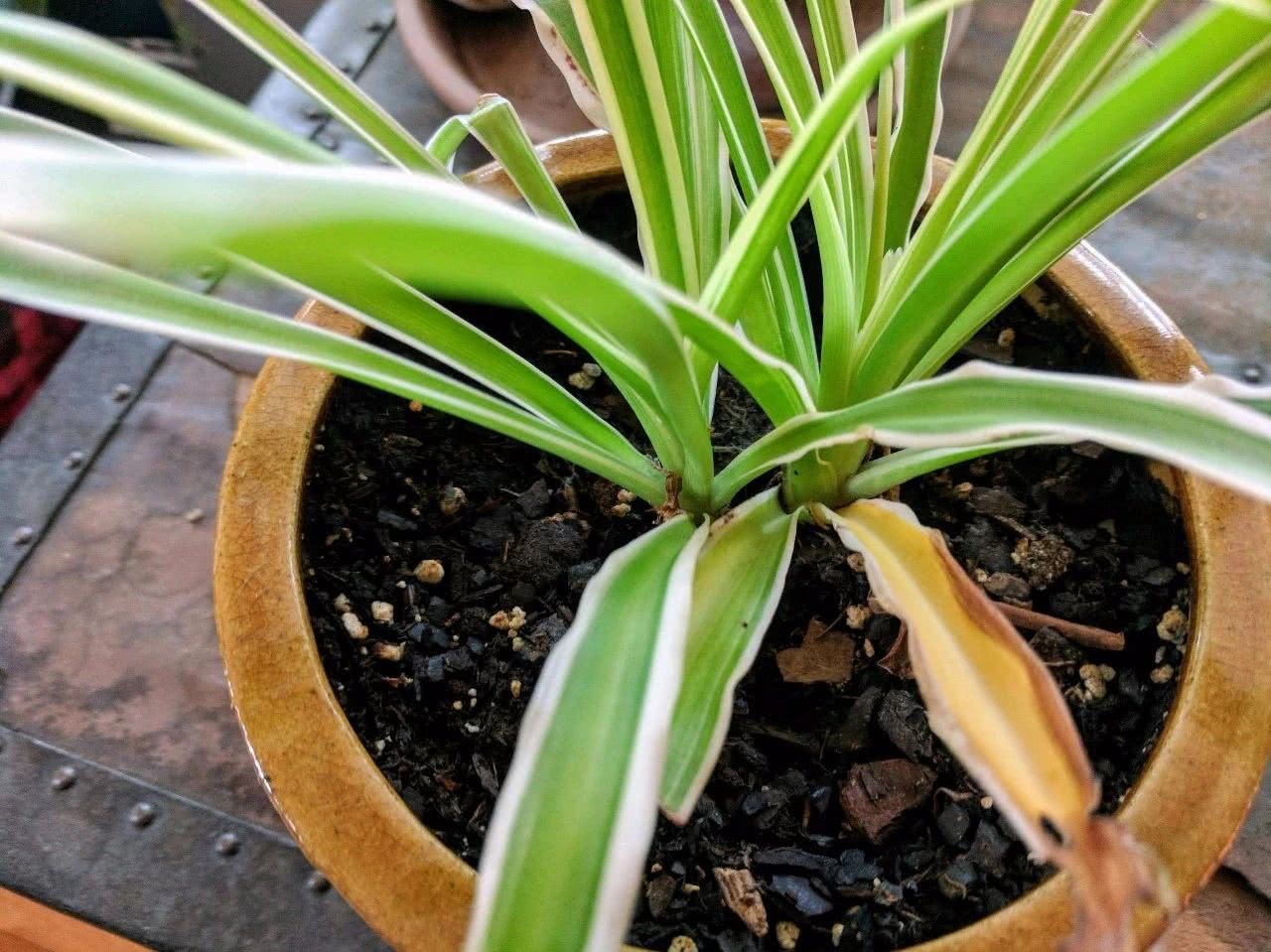
Potted green plants kept at home inevitably run into all kinds of problems, and the most common ones are yellowing leaves and rotting roots. These conditions are usually caused by poor indoor ventilation or overly frequent watering, and they can also be caused by unsuitable light.
First type: Spider plant care
Spider plants kept indoors do not get much light. If their leaves turn yellow, it is usually caused by insufficient light or overly frequent watering, and at this point you must deal with it promptly.
First, cut off all the yellow leaves, then check whether the bottom of the spider plant's roots has any rot, and break open the soil to see whether the roots and stems have turned black.
If there is no root rot, start controlling the amount of watering. Indoor spider plants do not need frequent watering; you can wait until the soil is completely dry and then water thoroughly, and you can mist regularly to maintain a certain level of air humidity.
When caring for spider plants, avoid excessive exposure to strong sun, otherwise the leaves easily curl and are prone to turning yellow and withering. Spider plants also cannot be kept in a completely dark place. You can give them appropriate scattered light every day, or keep them in a bright spot. In winter, pay attention to protecting them from the cold, and keep the minimum care temperature above 4°C.
Second type: Asparagus fern
Asparagus fern is a potted green plant that many people like. It likes to grow in a warm and humid environment all year round. With proper care, its branches and leaves will keep growing, and it is even possible to grow it into a climbing plant. It is actually especially prone to yellow leaves, particularly when kept indoors.
If the environment is dry, or there is excessive exposure to strong sun, or it is overwatered, the leaves of asparagus fern are especially prone to turning yellow, and in severe cases the whole plant will wither.
If the leaves of asparagus fern turn yellow, be sure to promptly cut off all the yellow leaves and check whether the soil has been wet for a long time. If there is too much moisture in the soil, you need to appropriately control watering.
Asparagus fern leaves usually turn yellow because of dry air. You can mist water around it to increase humidity. In addition, pay attention to ventilation in the environment. You can give it appropriate scattered light, which can encourage it to keep sprouting new shoots. Do not worry that asparagus fern will not grow new branches and leaves after pruning.
Another situation is caused by excessive exposure to strong sun. Asparagus fern likes to grow in a semi-shaded environment, and it is enough to keep appropriate scattered light or bright light every day
Third type: Pothos
Many people keep pothos at home. It is an especially easy-care plant. Even if all its branches and leaves droop down, you only need to promptly water it thoroughly once, or soak it in clean water for a few minutes, and it will quickly return to a healthy state.
When pothos is kept indoors, yellowing leaves are usually caused by overwatering or excessive drought.
If it has not been watered for a long time, its leaves will droop and the lower leaves will turn yellow. The way to deal with this is very simple: cut off the yellow lower leaves, water thoroughly once, and place it in a ventilated, semi-shaded spot.
If yellowing leaves are caused by overwatering, you need to control watering and check whether the roots have rotted. If root rot has appeared, you need to repot promptly, cut off the rotten parts, let the wounds dry, and then repot it with fresh soil.
Fourth type: Aloe
When aloe kept indoors develops yellowing leaves, it is usually caused by overwatering. Aloe is very drought-tolerant and has very little need for water. Aloe cared for indoors also uses very little water, so watering must be controlled even more. Do not add water before the potting soil has dried out completely.
If aloe leaves turn yellow, promptly check whether the soil is wet. If too much water has caused the aloe leaves to turn yellow, promptly control watering and check whether there is root rot. If root rot is found, promptly cut off the wounds, apply rooting powder or carbendazim, place it in a shaded, dry place to let the wounds dry, repot it, and wait a few days before watering.
Another situation in which aloe leaves turn yellow is excessive exposure to strong sun. This situation is very easy to handle; you just need to move it to a place where the sunlight is not so intense, and after caring for it for a while, it will quickly return to a healthy state.