Give your pothos a taste of soybeans: leaves turn glossy green and it keeps growing and growing
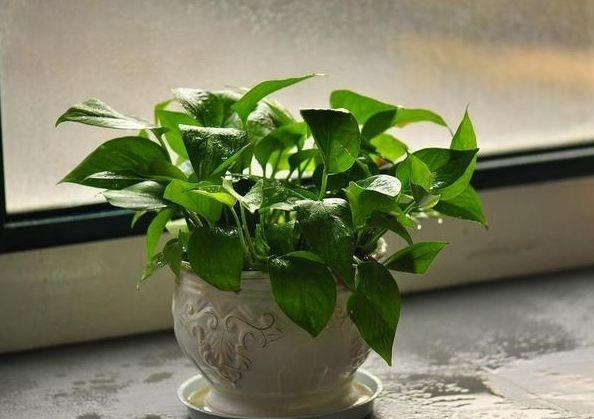
Pothos stays evergreen all year round, its vines trail down naturally, and it has tenacious vitality. It is the perfect choice for decorating homes and offices, and its purifying ability is outstanding. Pothos has long been an extremely popular household flower.
Pothos has tenacious vitality and prefers moist, mild soil. Although it does not demand much from fertilizer, if you want to grow pothos well, proper fertilizing is not something you can skip. Replenishing fertilizer during care is what allows pothos to grow glossy, emerald-green leaves.
Pothos is a foliage plant, so its demand for nitrogen fertilizer is relatively high. The most common nitrogen fertilizer material at home is soybeans. Soybeans are rich in protein and contain abundant nitrogen, so soybeans are a very, very suitable fertilizer for pothos.
1. Soybeans can be used directly as fertilizer. After boiling the soybeans, let them cool, poke a few holes around the edge of the flowerpot with chopsticks, then put three to five soybeans in, cover them with soil, and let the soybeans naturally decompose in the pot to produce nutrient-rich substances. This method is simple and can provide pothos with abundant nutrients over a long period. Generally, using it once every six months is enough.
2. Soak the soybeans overnight, then boil and crush them. The crushed soybeans can be put into a plastic bottle to decompose and ferment. You can add a few pieces of orange peel or rice vinegar, which effectively removes the odor produced during fermentation. Generally, after about two months of fermentation, it is ready to use. Take the clear liquid on top, dilute it with water, and it becomes an excellent nitrogen fertilizer. Using it to grow pothos works very well.
3. Besides the two methods above, the okara left over from making soy milk is also a very good nitrogen fertilizer material. Collect the okara and put it into a plastic bottle, also add a few pieces of orange peel to remove the odor, add clean water, then put it in the sun to decompose. Generally, it fully decomposes in about one month. Also take the clear liquid on top and dilute it with water, and it becomes a nitrogen fertilizer for the seller.
Of course, these methods are not only suitable for pothos. Foliage plants such as clivia, spider plant, snake plant and rubber tree are all very well suited to them, and most flowering flowers also greatly enjoy this kind of nitrogen fertilizer during their growing period, as it can provide them with abundant nutrients.