Remember these three steps for fertilizing clivia: lush green leaves and vivid blooms
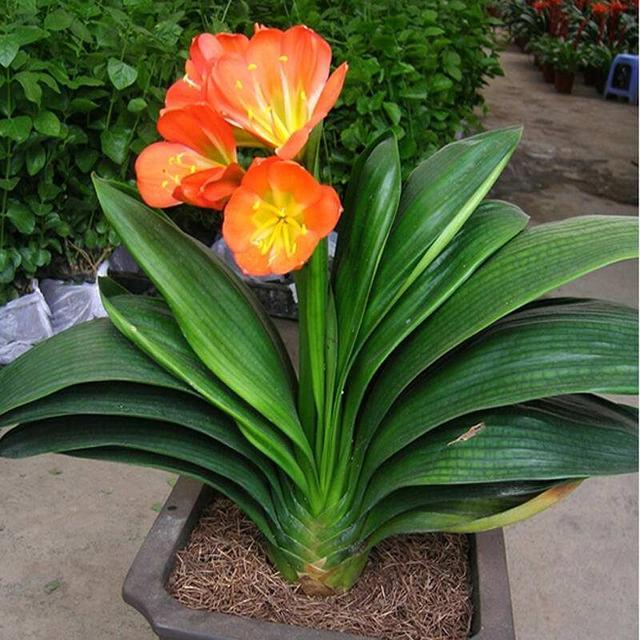
Clivia is known as the "gentleman's flower", with a neat, upright form full of character, and it is a very popular houseplant. Many gardeners love clivia for its emerald green leaves and vivid flowers. Clivia is very easy to keep alive, but to grow it well requires certain skills. When growing clivia, you will always run into situations where it stops growing and its leaves turn yellow.
Clivia is a plant that quite likes fertilizer, so neither base fertilizer nor top dressing can be skipped. Clivia is a plant with fleshy roots, so the soil should be airy, well-draining and fertile. When caring for it, it is best not to expose it to direct sunlight; keep it in an environment with plenty of bright indirect light and good ventilation. Clivia quite likes fertilizer, so let's talk about fertilizing clivia.
1. Repotting and changing soil - peanut shell base fertilizer
Generally, clivia is repotted in spring and autumn each year. When repotting, we can mix up some peanut shell soil. Peanut shells are rich in elements such as nitrogen, phosphorus, potassium and calcium, making them a very suitable fertilizer for clivia and orchids. Put the peanut shells into a plastic bag, add water, then leave them in the sun to decompose. Generally, they will be fully decomposed in about a month. Two parts peanut shells plus one part garden soil and one part sandy soil makes a very good soil for growing clivia.
2. Autumn - soybean fertilizer, mainly nitrogen fertilizer
After the summer dormancy, clivia enters its growing period in autumn, and at this time it needs a certain amount of nitrogen fertilizer. Autumn is the peak season for clivia's rapid growth. We can boil soybeans, let them cool, then poke a few holes around the edge of the flower pot, put a few soybeans in, and cover them up. After crushing the boiled soybeans, put them into a plastic bottle, add clean water, and after a period of fermentation, dilute the liquid and use it to water the flowers.
3. Flowering period - mainly phosphorus and potassium fertilizer
Before the clivia flowering period arrives, it needs phosphorus and potassium fertilizer. Generally, after autumn ends, just as winter begins, when clivia is moved indoors, it also needs phosphorus and potassium fertilizer. You can spray a 0.2% potassium dihydrogen phosphate solution, which helps promote the development of clivia flower buds, so that in winter it will produce vivid, beautiful flowers.
Clivia needs different fertilizers at different stages of care. Only in this way can its leaves be greener, it can produce beautiful flowers in winter, and the plant can grow robust and upright.