Can Succulents Be Used as Medicine? A Roundup of Medicinal Succulent Species
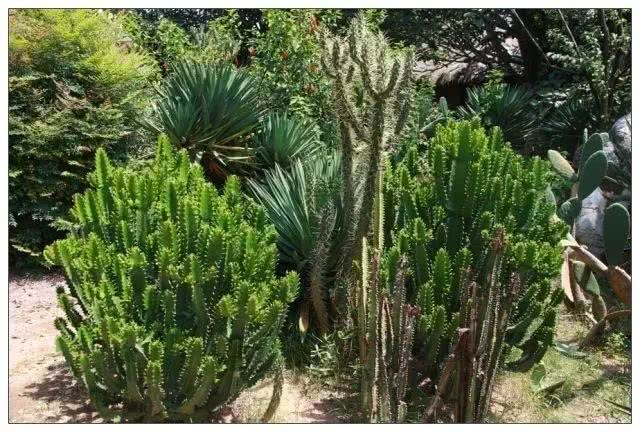
Succulent plants come in a dazzling variety of species, and most are grown for ornamental purposes, but a small number of them can actually be eaten and used as medicine.
Euphorbia neriifolia
Also called "thorn vajra," it belongs to the Euphorbiaceae family. Bitter and astringent, neutral in nature, toxic, entering the Heart and Spleen meridians. It has the effects of dispelling wind and detoxifying, killing insects and stopping itching. It is mainly used to treat sores, swellings and toxins, psoriasis, and other conditions.
Aloe
Aloe combines food, medicine, beauty and ornamental value all in one. It has effects such as sterilization, anti-inflammation, moisturizing and beautifying, strengthening the stomach and promoting bowel movements, strengthening the heart and invigorating blood, immunity and regeneration, immunity and anti-tumor, detoxification, anti-aging, pain relief, sedation, and sun protection.
There are several hundred species in the genus Aloe, among which the most medicinally valuable are Aloe ethiopica, Aloe arborescens, Aloe bakeri, Aloe ferox, Aloe nobilis, Aloe vera and Aloe humilis. Aloe leaves contain medicinal components such as aloin and aloe-emodin, as well as 8 kinds of amino acids, multiple vitamins and other beneficial nutrients. Applied externally, it can treat scabies, acne, burns and radiation burns without leaving scars. Taken internally, it is effective for constipation, hemorrhoids, gastric ulcers, pulmonary tuberculosis, high blood pressure and more, and can also boost immunity and control tumor growth. Therefore it is used in industries such as cosmetics, food and pharmaceuticals.
Orostachys
Orostachys has a sweet-and-sour taste and is mainly used as medicine. It is chiefly used to treat bloody dysentery, blood in the stool, bleeding hemorrhoids, and sores that do not heal for a long time.
Sedum lineare
Sedum lineare can be used to clear heat, reduce swelling and detoxify. It treats sore throat, carbuncles and swellings, boils, erysipelas, scalds, snake bites, jaundice and dysentery.
Hylotelephium spectabile
The whole plant of Hylotelephium spectabile is used as medicine. It dispels wind and drains dampness, invigorates blood and disperses stasis, stops bleeding and relieves pain, and is used for laryngitis, urticaria, vomiting blood, erysipelas in children, and mastitis; applied externally, it treats boils and carbuncles, bruises and injuries, corns, burns and scalds, insect bites, venomous snake bites, shingles, and athlete's foot.
Cuban oregano
Cuban oregano can be eaten, used as medicine, and brewed as tea. Its unusual fragrance fills the air, and it can be used in cooking, soups, stir-fries, and cold dishes. Medicinally, the juice taken raw with honey relieves sore throat; brewed as a tea it relieves stomach bloating and colds; crushed and applied externally it reduces inflammation and swelling and can care for the skin. It also has the effects of refreshing the mind, clearing heat and relieving summer heat, and repelling mosquitoes.
Graptopetalum paraguayense
Graptopetalum paraguayense is a relatively common species, and also a fairly common vegetable on the succulent dining table. It has a crisp, fresh and sweet taste and can be used in salads or stir-fried with sliced meat.
Edible cactus
The edible cactus can be eaten and used as medicine. It not only has many effects on the human body such as clearing heat and detoxifying, strengthening the stomach and tonifying the spleen, soothing the throat and moistening the lungs, and nourishing and caring for the skin, but also has a clear therapeutic effect on conditions such as liver cancer, diabetes and bronchitis.
Lophophora williamsii
Lophophora williamsii is a classic species in the cactus family, with soft flesh and a peculiar form, and high ornamental value. Its body contains an alkaloid called mescaline, which after ingestion can produce euphoria and wonderful hallucinations; it is a hallucinogen, and can also be called a drug. Modern medical research has shown that Lophophora williamsii can not only treat mental illness, but also has a special effect on treating lung cancer.
Dioscorea elephantipes
Dioscorea elephantipes is one of the most famous succulent plants. It is both one of the representative caudiciform succulents and the representative succulent of the Dioscoreaceae family. Because it can produce cortisone and other hormones, it is planted on a large scale in the United States and Puerto Rico, and it is also a raw material for making certain contraceptives.
Euphorbia resinifera
Native to Morocco, Euphorbia resinifera has been used as a medicinal plant since ancient times. Its white sap can be made into an ointment for treating skin diseases, and can also treat diarrhea and catarrh.
Lithops
There are many species of Lithops, and some can be washed and eaten directly, or used in salads and eaten as fruit.
Medicinal succulents are not necessarily suitable for everyone. Pregnant women, people with allergic constitutions, and people with diabetes should not try them lightly. Chinese herbal medicines are not free of toxic side effects, so please follow your doctor's advice when taking them.