This potted plant blooms all over its branches; no matter how poor you are, you should still keep one pot as a family heirloom
Cold Dew has just passed, and the autumn wind is already blowing gently. Many gardening friends have come to ask, what flowers are good to grow now? If you want to bring home a flower that can be grown well, it must be one that can be kept for a very long time. Hurry and take a look at Huahua's recommendation list, every one of them is an heirloom; keeping one for ten or twenty years is no problem, and the older it gets, the more valuable it becomes!
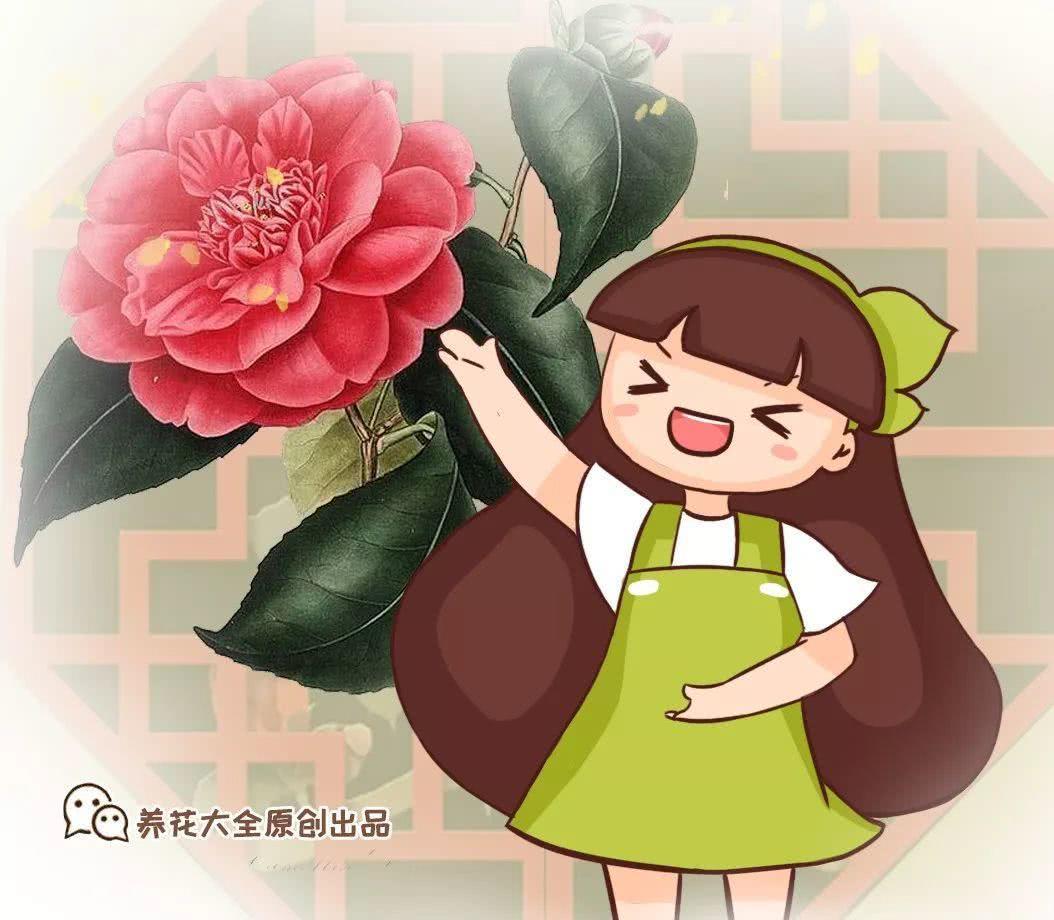
Keep camellias at home, two pots are enough
China has a long history of growing camellias, and there are many varieties. Keeping them at home also carries the good omen of good fortune and peace. Whether indoors or outdoors, growing two pots as a pair is simply lovely!
Once camellias settle in, they grow faster and bloom more and more, which is what many gardening friends dream of. But they worry they cannot grow them well. In fact, pay attention to the following two points, and keeping them for decades is no problem!
1. Use acidic clay soil
Camellias are rather picky about soil. Gardening friends in the south can find some highly sticky red soil for planting; in the north, where soil and water are more alkaline, you can compost some leaf mold and pine needle soil yourself, which can help avoid leaf drop and bud drop when growing camellias.
2. Water with acidic water regularly
Potted camellias are best repotted with fresh soil once a year, otherwise the soil becomes alkaline and compacted, and the camellias will die too. Usually you can also compost some acidic rice-washing water, orange peel water, water with iron nails soaked in it, etc., and water with it 1-2 times a month to supplement the soil's acidity.
One bougainvillea at home can hold up half the sky
Bougainvillea is a rising star. Before, it was mostly grown by gardening friends in the south, but now it is grown all over the country. It is more adaptable, tolerates heat and cold, and even gardening beginners can grow it into something impressive.
Bougainvillea is also highly shapeable. It can be grown as a tree or as a climbing vine, and any shape is possible. Gardening friends with a yard, terrace, or balcony should definitely not miss it; grow a whole patch, and the whole family can enjoy the shade!
1. Master the "21-day rule"
Anyone who grows bougainvillea knows that before the flowering period you need to control water to force blooming, that is: gradually reduce watering until the leaves wilt, then water thoroughly, then wait until the leaves wilt again, then water thoroughly again... The cycle is about 21 days, and the bougainvillea will soon obediently bloom.
2. Prune after the flowering period
If you cannot bear to prune, the bougainvillea will grow more and more leggy, and next time it will not bloom well. After each flowering, trim the slender branches and keep the main stem branches you like. The more diligently you prune, the faster it grows, just like cutting a person's hair. Gardening friends, keep this in mind.
Growing osmanthus at home brings noble offspring, be sure to remember this
The older generation, wishing for a noble child in the family, would grow an osmanthus tree in the yard, wishing their children a life of gold and honor. For those who have left home, that trace of osmanthus fragrance in autumn is full of the scent of memories...
Even if we now live in high-rise buildings and no longer have a small yard, we can still plant an osmanthus. A small flower pot is enough to grow it well, not only for memories, but also with new blessings.
1. Plant in acidic soil
Osmanthus also likes acidic soil. Gardening friends in the south can use garden soil mixed with some sandy soil for planting; gardening friends in the north need to compost some leaf mold or pine needle soil, or can directly buy some acidic humus soil and mix it with garden soil for planting.
2. More sunlight + water control
If osmanthus only grows leaves and does not bloom, it is because it has become lazy. Usually give it at least 4 hours of sunlight, do not water too frequently, and water thoroughly only after the soil dries out. When it rains, collect some rainwater and store it; then it will bloom on time in autumn.
If rhododendrons are grown well, ten pots are not too many
Rhododendron is also called yingshanhong. It tolerates heat and cold, and can either be left to grow freely in the yard or kept indoors with careful care. Regardless of size, after more than ten years its value is very high~
"Yingshanhong blooms bright red." Rhododendrons grown in the city also bloom beautifully in winter and spring. If you train the shape well, it is truly a treasure bowl!
(Image from Rhododendron Tieba gardening friend @Yi Songyuan)
1. Fuss over it less
Rhododendrons fear being fussed over. Repotting, changing soil, watering, and fertilizing can easily "injure the muscles and bones" and kill them. Before repotting, you can first slip it into a larger pot, let it adapt for 1 month, and then repot. Choose breathable, short and stout ceramic pots or red clay pots, and use leaf mold and pine needle soil as the best choice.
(Image from Rhododendron Tieba gardening friend @Yi Songyuan)
2. Careful maintenance
Rhododendrons are not flowers for lazy people. They like semi-shaded, humid environments. In the morning, 1-2 hours of sunlight each day is enough, and the rest of the time should be shaded (in winter, give 3-4 hours of sunlight). Do not water too much; it is better to mist the leaves often.
(Image from Rhododendron Tieba gardening friend @Yi Songyuan)
Judge clivia by its age; true experts are among the people
Clivia has the character of a gentleman, and there are no few gardening friends who like it. A clivia that has been grown for years is all their beloved treasure!
Every year in the clivia trading market, things are truly fierce, but Huahua believes that the real experts at growing clivia are still among the people!
1. It is best to put some material at the bottom of the pot
To prevent root rot, it is best to put some small things at the bottom of the clivia pot, such as ceramic pellets, peanut shells, stones, eggshells, etc. Note that these should be sun-dried in advance or soaked in boiling water to sterilize and disinfect. Doing this well not only prevents root rot but also helps it cluster and multiply.
2. If it does not bloom, give it beer
Clivia loves to "drink" beer, because beer contains acidic substances that can promote flowering. For a clivia that does not bloom, use flat beer diluted with water at 1:50 and water it once a week; that is enough to do the trick.
Red maples are graceful; the home scene is uniquely beautiful
Gardening friends who like something different can also imitate the ancients and grow a red maple. It has an elegant temperament and a unique style, and can be planted in both courtyards and indoors. With this red maple, you will be happy to stay at home!
Red maple bonsai, which look almost like artificial flowers, are also very popular. According to bonsai experts, gardening beginners can also try growing red maple bonsai; it is not difficult at all~
1. To grow red maples, you cannot do without it
Whether planted in the ground or in a pot, it is best to mix some gravel and crushed bones into the soil. Red maples like loose, breathable soil. The nutrients in crushed bones can make their branches and trunks stronger, which can both improve aeration and save money on fertilizer.
2. Avoid strong winds in autumn and winter
Woody plants like red maples fear strong winds in autumn and winter. Wind can easily deform them and also cause large-scale leaf drop and drying. Therefore, when planting, choose a wind-sheltered spot; for potted plants, pay attention to shielding them from wind.
One pot of pine or cypress can serve as a treasure bowl
When it comes to the top treasures in gardening, one must mention pine and cypress bonsai. Their shapes vary, yet their prices are sky-high. Nothing is difficult for one who sets their mind to it. These bonsai we usually do not dare to grow, if we try, maybe we can succeed!
The pine and cypress bonsai of the gardening friend below is truly lovely. Radishes and greens each have their own lovers. Although it cannot compare with a master's style, at least it is unique, and after a few years of growing it will become something special!
1. Better dry than waterlogged
Pines and cypresses are very drought-tolerant. Generally they are grown in shallow pots. Water after the pot soil turns pale and the branches and leaves slightly wilt. If you really cannot decide, you can plant some herbaceous flowers in the pot and judge whether watering is needed based on how the small plants look.
2. Grasp the pruning seasons well
Pines and cypresses can be shaped with wire, and pruning is also very necessary: in January each year, set the shape with wire; in March, you can reshape and refasten; in July-August, lightly prune new buds and old branches; in October, remove yellow leaves and dead branches; in December, you can prune heavily to shape.
Growing flowers into "family heirlooms"
Tests not only skill but also patience
Welcome to share
Let's see what family heirlooms gardening friends have at home
?